



Quick Intro
what does pinion mean is the kind of phrase that comes up when you read an old novel, scan a technical manual, or hear someone say they were “pinioned” in a movie scene. You think, okay, is this a bird part, a gear, or are we actually being dramatic about being tied up? The answer is annoyingly interesting. In a good way.
Table of Contents
Meanings and Definitions
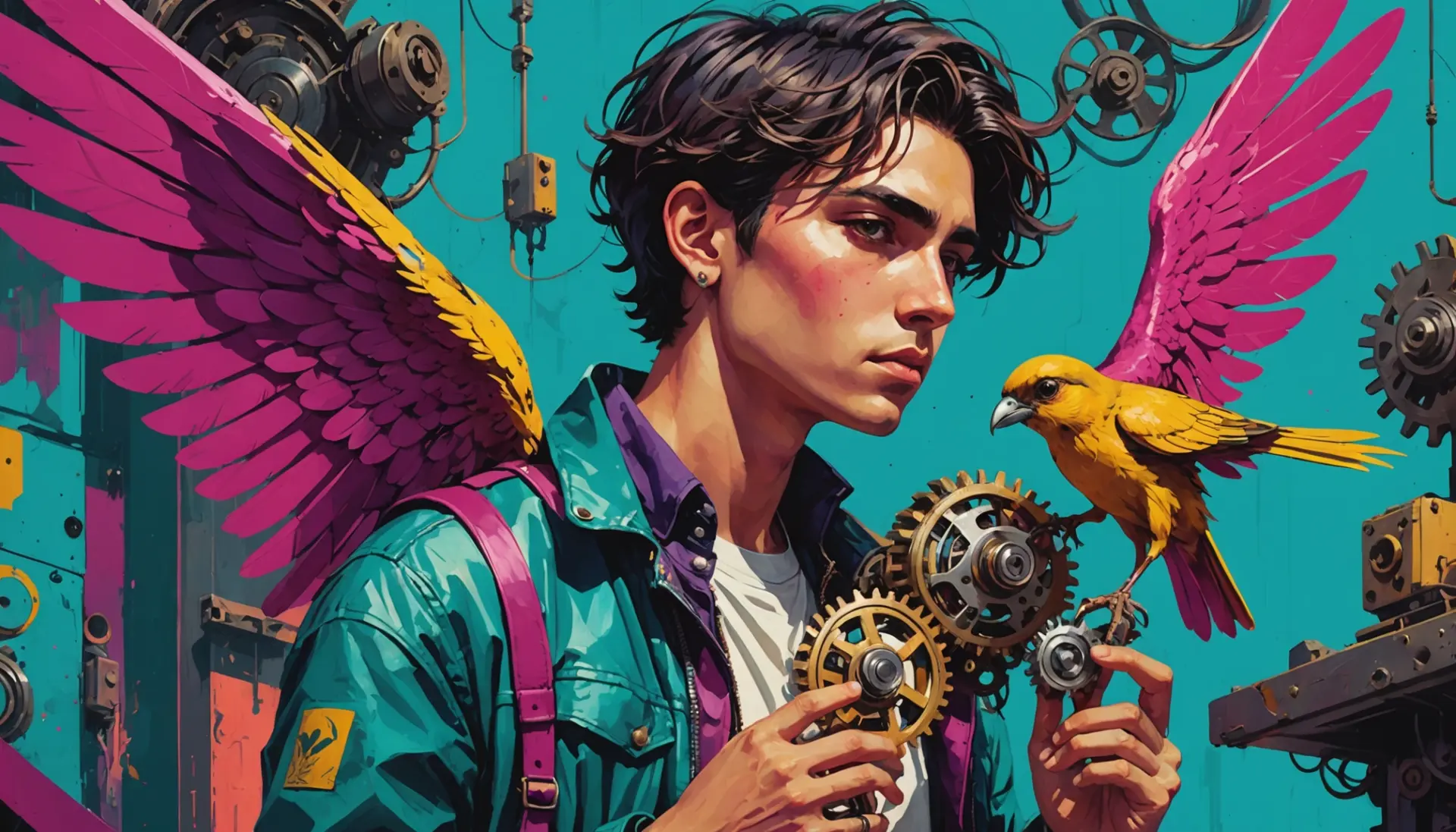
At its most literal, pinion has a couple of separate technical meanings. As a noun it can mean the outer joint of a bird’s wing, or a small gear that meshes with a larger one. As a verb it generally means to restrain or immobilize someone by binding their arms, or to disable flight in a bird by clipping its wings.
So when someone asks what does pinion mean, the safe summary is this: restraint, or a small mechanical part related to movement. The word walks between biology and mechanics, and then spills into metaphors about being held back.
Short History and Etymology
Pinion comes to English via Old French and Latin roots that talk about feathered things and joints. Over centuries the meaning split: one branch stayed with birds and anatomy, another with gears and mechanics, and both gave rise to the verb sense about preventing movement.
Writers from the 17th century onward used pinion in the literal sense and the figurative sense. You will see it in older literature when a character is “pinioned” by captors, basically tied up so they cannot struggle.
What Does Pinion Mean in Slang and Everyday Speech
Here’s where it gets interesting. People do use pinion in modern speech, but not usually as trendy slang like “rizz” or “cap.” It shows up when someone wants a slightly old-school, dramatic word for being restrained or held back. Think of it as low-key literary slang.
For example, a friend might say, “I felt pinioned at that meeting,” to mean they felt trapped and unable to speak. It’s not the sort of term you’ll see on TikTok trends, but it gets used in memes and captions when people want to sound witty or theatrical.
Real Examples and How People Use It
People use the phrase in a few common ways. Sometimes literal: “They pinioned the hawk’s wing to keep it safe.” Sometimes figurative: “His options were pinioned by bad timing.” And sometimes playful: “Don’t pinion my vibe, man.”
Conversation example: “Dude, what does pinion mean?” “It means kinda like tying your hands. My boss pinioned my idea in the meeting.”
On social feeds you might see someone meme-caption a photo of a meeting with, “Pinned. Pinioned. Passive.” That jokingly borrows the old word to describe modern office frustration.
Examples in literature and pop culture
Classic novels and poetry sometimes use pinion as a dramatic flourish. Modern films use it visually when someone is tied up or otherwise immobilized. The sensation the word evokes is immediate: restriction plus a hint of violence or control.
If you want a neat, authoritative definition, check Merriam-Webster’s entry for pinion at Merriam-Webster, and the broader overview on Wikipedia at Wikipedia.
How to Use It Without Sounding Weird
Want to drop pinion into conversation without sounding like a renaissance reenactor? Use it when the tone can be slightly dramatic. For example, instead of saying “I was restrained,” say “I was pinioned by the rules.” People will get it and maybe chuckle.
In casual texting, tag it with humor. Try: “My schedule pinioned me this weekend, ngl.” That keeps it modern and readable. If you use it in a professional email, maybe not. Context matters.
Further Reading and Sources
For etymology buffs and people who want to cite things, the word’s background is well documented in dictionary and encyclopedia entries. See Merriam-Webster for concise definitions and usage, and Wikipedia for historical and technical branches of the term.
If you liked this and want slang that actually trends on socials, check out related explainers like rizz slang meaning and bogart slang meaning. For the kind of dramatic self-delusion language that sometimes sits next to pinion in old texts, see delulu meaning.
Final thought
So what does pinion mean? It is a small word with literal technical uses and a juicy figurative life. Use it when you want to signal restraint, old-school drama, or mechanical detail. It reads smarter than “tied up” and less try-hard than something like “stifled.”
If you try it in a caption and it lands, please screenshot and send. I love seeing language win.