


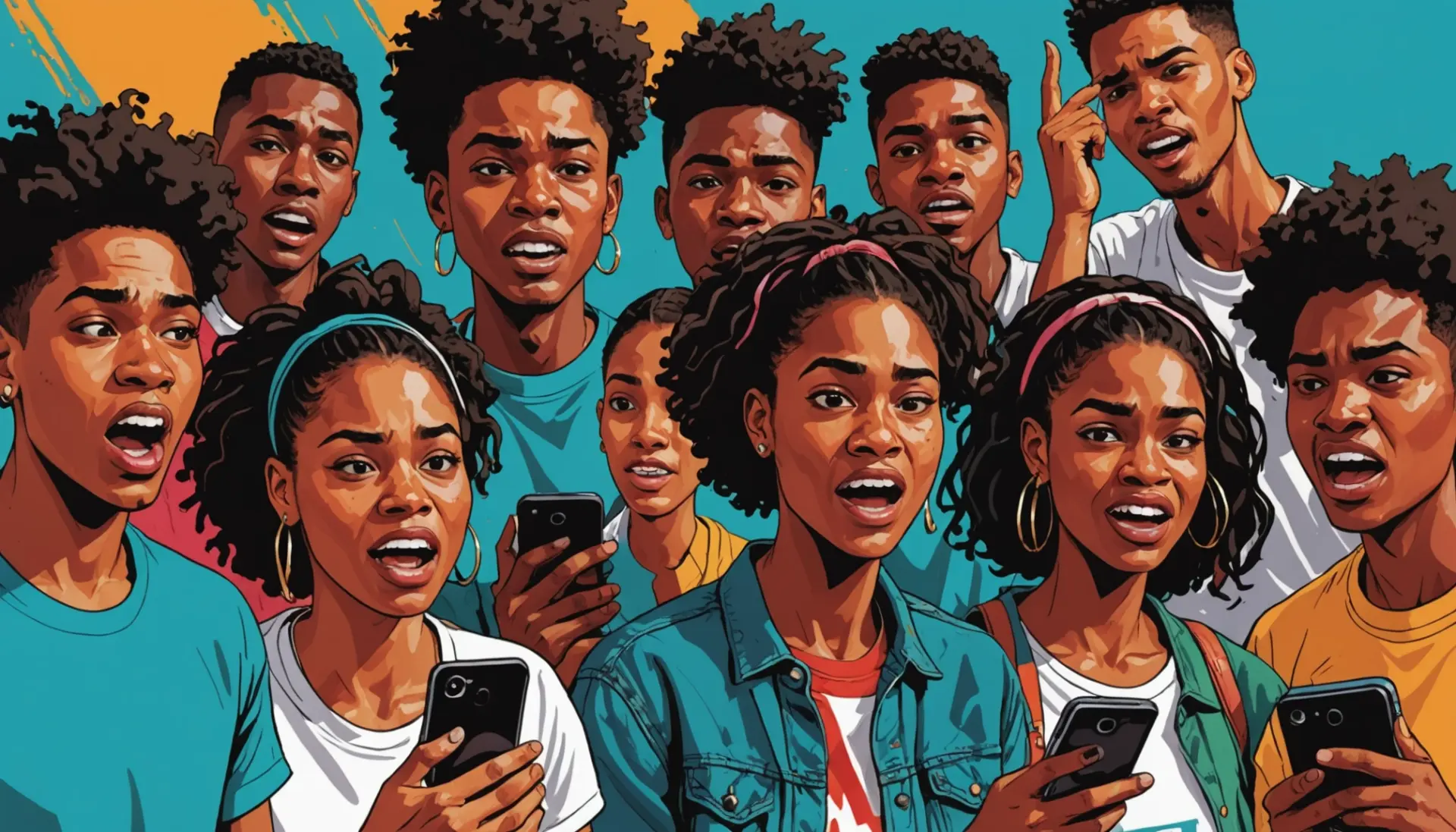

What Does Wince Mean? Quick Take
what does wince mean is the question people type when they see someone flinch or cringe and wonder if it is slang, an emotion, or just a face. Honestly, it is mostly a plain English verb that people lean on in chat, captions, and IRL reactions. But like any word, it picks up little cultural twists, especially online. So yeah, it pays to know the shades.
Table of Contents
What Does Wince Mean: Definition and Origins
The short, literal answer to what does wince mean is simple: to make a quick, involuntary expression of pain, embarrassment, or distaste. Think a tight scrunch of the face, a little recoil. You could check a solid dictionary for that, like Merriam-Webster, which gives the standard definition and usage history.
Historically, wince comes from older forms of English meaning to shrink back. It is a physical reflex but we also use it in social descriptions, the way someone “winced” at a cringey line. If you want the biology of facial reactions, Wikipedia’s facial expression page gives a broader view of how our faces betray quick feelings.
What Does Wince Mean: How People Use It (Text, Talk, Memes)
People use the word “wince” in a few distinct ways. The literal, live-person version is a physical flinch, like when you stub your toe. The conversational version is a reaction to awkwardness, for example when someone tells a bad story and the room collectively winces.
Online, “wince” is often used like stage direction. Text threads have stuff like: *wince* or “I winced so hard reading that.” That star-emphasis move is basically a GIF-free reaction. Memes and reaction images have turned the wince into an instant shorthand for secondhand embarrassment.
Friend A: “He called his teacher ‘mom’ by accident lol”
Friend B: “Oof. I winced.”
That kind of usage shows up in replies, captions, and even YouTube comments. It is not slang in the way “rizz” or “delulu” are new coinages, but it has become part of reaction culture. For more on reaction memes generally, Know Your Meme can help if you search for reaction images and gifs.
Cultural Nuances and Cringe vs Empathy
Understanding what does wince mean beyond the face comes down to tone. When you wince at a bad pun, that is playful cringe. When you wince at someone’s obvious pain, that is empathy. Context matters, especially in text where tone is fuzzy. People add emojis or asterisks to tip the scale: :/ or *wince* to show discomfort without being mean.
Different cultures read facial expressions differently, so a wince in one place might be read as stronger or milder elsewhere. Public figures get called out when they wince during serious moments, because the audience expects somberness. You might remember viral clips where celebrities’ micro-expressions sparked whole Twitter threads. Small face moves, big tea.
Synonyms and Related Words
If you are trying to vary language, synonyms for wince include flinch, cringe, recoil, grimace, and blanch. Each has a slightly different flavor. “Flinch” is more about reflex, “cringe” is heavier on social awkwardness. “Grimace” is about the distortion of the face, and “recoil” implies physical pulling back.
Sometimes people pair “wince” with adverbs like “audible wince” or “visible wince” when writing. In scripts and captions you will see notes like [wince] or *wince*. That brackets-as-action habit mimics stage directions and helps convey tone in text-only spaces.
How to Use “Wince” Without Sounding Weird
So how should you use “wince”? If you are texting, use it like you would say “I cringed.” Short, honest. Example: “He tried to sing and hit a high note. I winced.” If you are writing something more formal, keep it literal: “She winced at the news.” That reads as description, not judgment.
Want to be playful? Toss in an asterisk or a GIF. Want to be empathetic, choose your context carefully. Saying “I winced” at someone’s pain can come off caring or performative depending on the rest of the message. Tone-check. Always.
Real-Life Examples People Use Right Now
Here are real examples of how people type and say wince in 2026 style conversations. These are the sorts of micro-interactions you see on socials and in DMs.
Text: “Saw his audition clip. I winced so hard. Poor lighting and worse timing.”
Reply: “Same. Kept waiting for the notes to land.”
Tweet: “When your boss says ‘we’ll touch base later’ and you know you’re fired. I winced.”
Also, in posts people often caption a reaction GIF with “wince” or “that made me wince.” It is shorthand now. Not slang-y, but definitely part of reaction vocab.
Useful Links and Further Reading
If you want a crisp dictionary take, Merriam-Webster is useful: Merriam-Webster definition of wince. For background on facial expressions and the science, check the facial expression overview on Wikipedia. And if you want to see how reaction faces circulate online, browse reaction GIFs on meme hubs.
Curious about related slang? We have pieces on rizz and delulu, both of which show how words evolve online. Also check our take on older terms like bogart sland meaning for historical context and usage shifts.
Final Thoughts: Why People Ask “What Does Wince Mean”
People ask what does wince mean because reaction language matters in quick chat. A single word can carry empathy, judgment, or comic timing. “Wince” sits comfortably across those uses, and that is why you see it so often in replies and captions.
Use it honestly. Use it sparingly. And remember, sometimes the face tells the whole story. If you want more slang that actually changes meaning online, read our posts on rizz and delulu for contrast. Okay so, next time someone asks you what does wince mean, you can answer with authority and a little wink.