


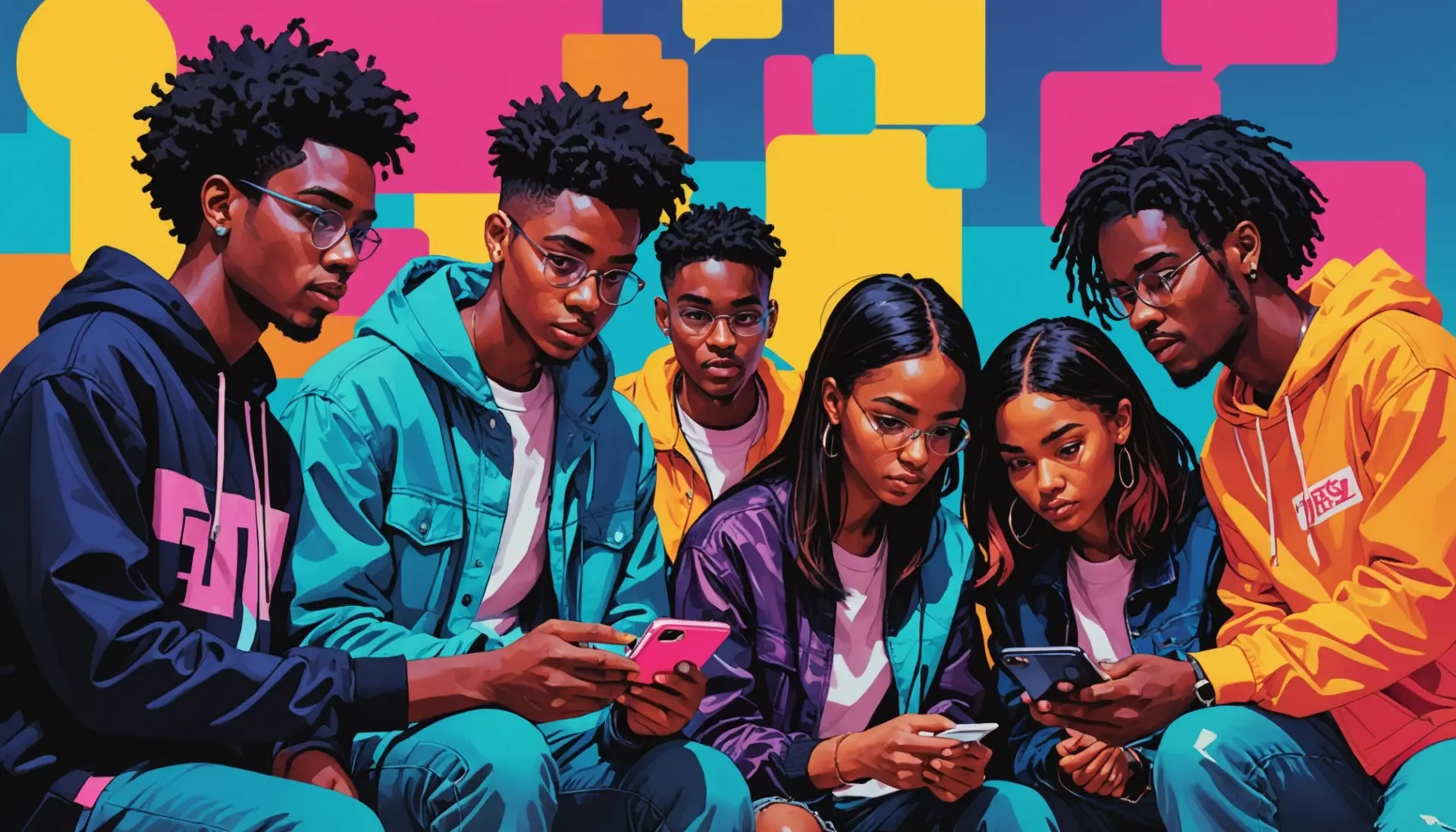

cooler urban dictionary is a phrase people type when they want a version of Urban Dictionary that smells like street cred, niche vibes, or just something a little edgier than the official site.
Okay so, we need to be real: that search usually means someone wants slang explained but with attitude. People want context, receipts, and the kind of examples you only get from conversations, tweets, or that one TikTok creator who explains slang between sips of coffee.
Table of Contents
What Is Cooler Urban Dictionary?
When someone searches for “cooler urban dictionary” they usually want an Urban Dictionary but curated, cooler, less chaotic, and more culturally tuned to their scene.
Urban Dictionary itself started as a crowdsourced slang site in 1999, and it works amazing for getting raw vibes and first-person definitions. But it is messy, with entries that range from insightful to straight-up trolling.
So the phrase “cooler urban dictionary” functions like shorthand for a filtered resource: the entries you actually trust, the definitions backed by context, memes, and usage you can show your friends.
Cooler Urban Dictionary Origins
The idea of a “cooler urban dictionary” is not a literal alternate website, it is a cultural demand. People wanted less garbage and more curation, especially as slang accelerated on platforms like Twitter, Instagram, and later TikTok.
Remember when terms like “simp,” “cheugy,” or “rizz” blew up and Urban Dictionary pages filled with one-line jokes? That pushed creators and editors to make cleaner explainers, Twitter threads, and YouTube breakdowns that felt like a cooler urban dictionary.
If you want the origin story of the original platform, check the Wikipedia page for Urban Dictionary, which covers its founding and controversies: Urban Dictionary on Wikipedia. For a broader lexical take on “cool,” Merriam-Webster is solid too: Merriam-Webster: cool.
How People Use Cooler Urban Dictionary
People use the phrase “cooler urban dictionary” in search queries, DMs, and even voice notes, like they are asking for the version of slang help that saves face. Honest, curated, and context-rich.
On TikTok, creators will often say, “Let me be your cooler urban dictionary for this term,” then show examples from songs, tweets, or that viral clip everyone is referencing. It feels like getting slang lessons from a friend who actually pays attention.
For more meme histories and why a curated approach matters, Know Your Meme archives often explain how a term spreads: Know Your Meme. That sort of archival work functions like a meta cooler urban dictionary.
Examples of Cooler Urban Dictionary in Conversation
Real examples help. Here are snippets that show how people actually use the phrase and what they mean by it.
Friend A: “Can you send me a cooler urban dictionary definition of ‘rizz’? The UD page is chaotic.”
Friend B: “Sure. Rizz is charm used for flirting, like how Drake casually makes it look effortless.”
Group chat: “We need a cooler urban dictionary for Gen-Z dating terms. I’m tired of reading people flex definitions.”
These exchanges show the demand: accuracy plus cultural currency. People want definitions paired with receipts, like song lyrics, celeb examples, or viral threads.
Here is another example that shows nuance. Someone might ask, “Is ‘cheugy’ actually offensive?” A cooler urban dictionary entry would explain origins, typical targets, and a few usage lines from influencers who popularized the term, not just a mean-spirited one-liner.
Why Cooler Urban Dictionary Matters
It matters because slang is fast-moving and messy. Without context, you might use a term wrong and end up cringe or worse, offensive. A cooler urban dictionary approach gives you the backstory, tone, and who typically uses the word.
Slang also carries social signals. Using a term like “rizz” in the wrong crowd can be weird. Using curated explanations helps people code-switch smarter and understand generational cues, especially across social media platforms.
If you like deeper breakdowns of slang and how it evolves, sites that curate explanations, threads that collect examples, or cultural essays act as pseudo cooler urban dictionary sources. You can also read how definitions enter mainstream lexicons by consulting authoritative resources like Wikipedia or established dictionaries.
Quick tips if you want your own cooler urban dictionary entry
First, add provenance: where did you hear it? Song? Tweet? Friend? That helps. Next, show use cases: a line from a TikTok, a caption, a DM example. Finally, note the tone: ironic, hostile, playful, or affectionate.
Try not to just copy one-liners. Add nuance. People appreciate that. And ngl, it makes you sound smarter in conversations.
Further reading and related slang
If you liked this kind of curated slang guidance, check out related entries on SlangSphere for terms that often need context, like rizz and cheugy. For older slang that still matters, see bogart.
Also, if you want the raw user-submitted energy, the original Urban Dictionary site is still where phrases get born and contested every hour: Urban Dictionary.
Final thought
The phrase “cooler urban dictionary” says something about how we want knowledge packaged now: fast, accurate, and with cultural taste. You want a definition that reads like a friend, not a forum troll.
So next time you search for “cooler urban dictionary,” think about what you actually need: context, receipts, and a tone that matches your feed. That is the entire point.