


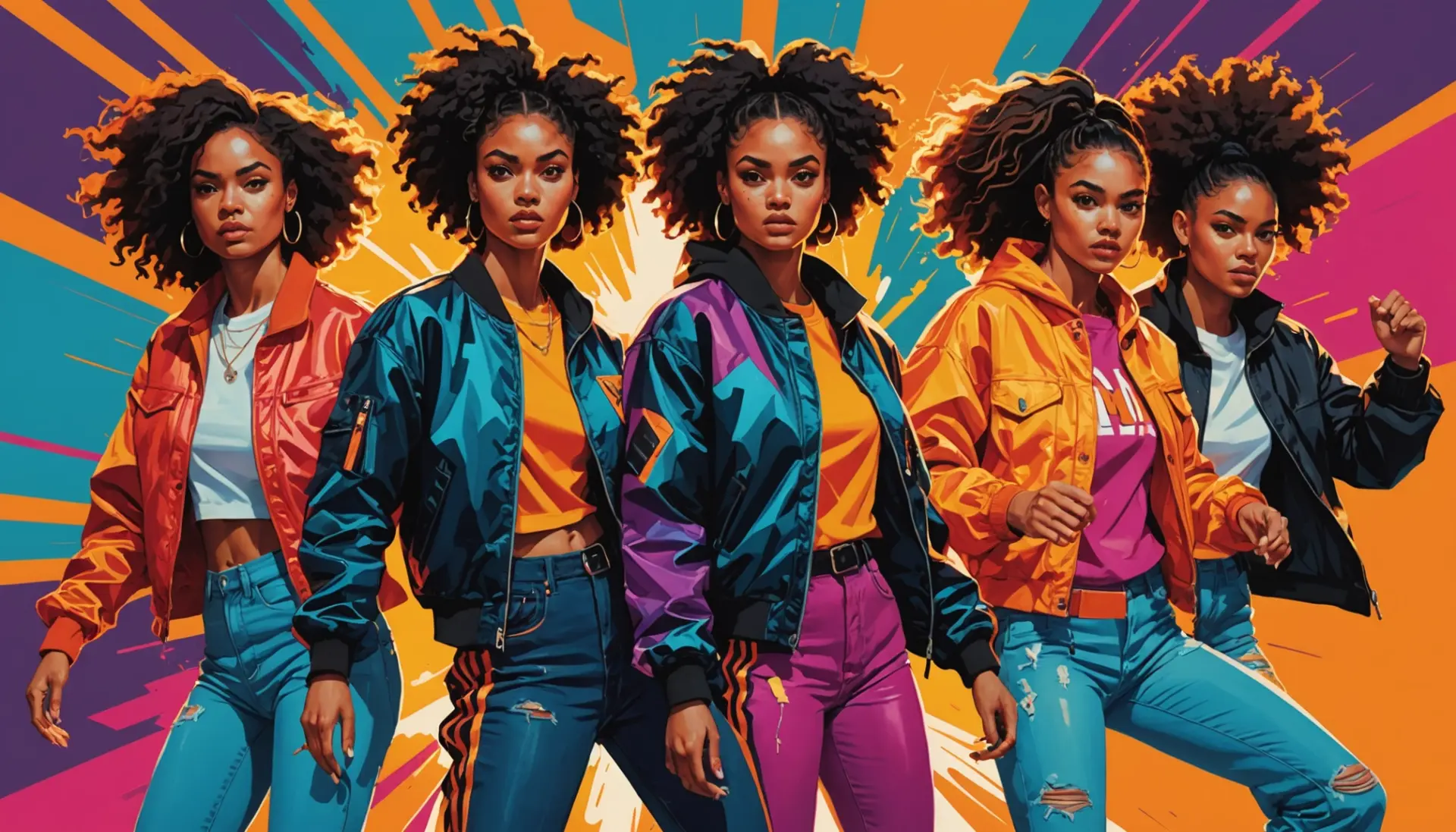

What Does Fury Mean: The Basic Definition
What does fury mean? At its simplest, fury means extreme anger or rage, a kind of heat that makes people act loud, fast, or dramatic.
That straight-up dictionary answer is helpful, but it does not tell the whole story about how people use the word today. Language evolves, and so does fury.
Table of Contents
What Does Fury Mean in Slang and Everyday Talk
Okay so, people still use fury to mean classic anger, but as slang it does a few extra jobs. It can be literal, like someone being furious after an insult, or it can be stylized, like calling a look, vibe, or performance “fury” to mean it is fierce and unstoppable.
On TikTok you might hear someone say, “She came through with the fury,” meaning the person delivered intense energy or intensity. That usage leans more into attitude than literal wrath.
Another slang stretch is the “fury era” idea. Fans will tag a period where someone is operating with fierce confidence as their “fury era.” It’s similar to saying someone is in their “boss era,” but more volatile, more dramatic.
Examples: Using ‘what does fury mean’ in Real Conversations
Here are real-feeling lines you might overhear or text. They show how the word moves between literal anger and hype. Read them out loud. Sound-check the vibe.
Text to a friend: “OMG, he ghosted me then posted pics with her. I’m in full fury rn.”
On TikTok comment: “That runway walk is pure fury, give her the crown.”
Casual chat: “What does fury mean again? I thought it was just angry.”
See? The first is literal anger, the second is hype and admiration, the third is someone asking for a basic definition. All valid. Language is messy. That’s the fun part.
Origins, Culture, and Famous Uses of the Word ‘Fury’
The basic English noun “fury” comes from Latin and has a long history in literature and myth. The Furies, or Erinyes, in Greek myth were avenging spirits, which is where the idea of fierce vengeance comes from. If you like deep dives, Wikipedia has a neat summary of the mythic Furies here.
Fast forward to modern pop culture, and you have a bunch of famous “fury” moments. “Mad Max: Fury Road” turned fury into a visual, almost aesthetic force. The film’s title alone made “fury” feel cinematic and unstoppable, which is why you see people using fury to describe intense style or energy.
Then there is Nick Fury, the Marvel character. That name has cemented the word in comic and movie culture as someone who commands intensity and control. All those layers bleed into slang usage.
For the literal lexical definition, Merriam-Webster gives a reliable, compact take on the word and history here Merriam-Webster: fury. And if you want to see how cultural moments made the word meme-friendly, browse the “Mad Max: Fury Road” entries and related memes on Know Your Meme Know Your Meme: Mad Max.
Takeaway: How to Use the Word Without Sounding Weird
If someone asks, “what does fury mean” while you sip coffee, you can answer in one sentence and then add color. Say: “It means intense anger, but people also use it to hype up someone’s energy or look.” Short, clear, flexible.
Want examples to drop into convo? Try: “She performed with fury tonight” if you mean raw, electrifying energy. Say “he was in a state of fury” for straight-up anger. Small shift in how you frame the person and the nuance changes.
Also, be mindful of tone. Calling someone “fury” when they are quietly upset will sound off. The hype version works best when there’s performance, drama, or spectacle involved.
Quick Recap
So what does fury mean? Literal anger, yes, but also a slangy badge of intensity. Myth, movies, and comics layered the word with revenge, spectacle, and leadership, which explains its current flexible vibe.
If you want a single reference for the formal meaning, check Merriam-Webster. For cultural resonance, look at the Furies in myth and “Mad Max: Fury Road.” Those dots connect the literal and the slang uses.
Further Reading
Curious about similar slang moves, like “rizz” or calling something “sus”? We wrote about those too. See our takes on rizz and sus for more modern examples and context.
Final micro-advice: next time someone asks “what does fury mean,” you can answer fast, but then toss a pop culture example like “Mad Max” or Nick Fury, just to keep the convo fun. Language is alive, messy, and, ngl, kind of dramatic. Good chat material.