


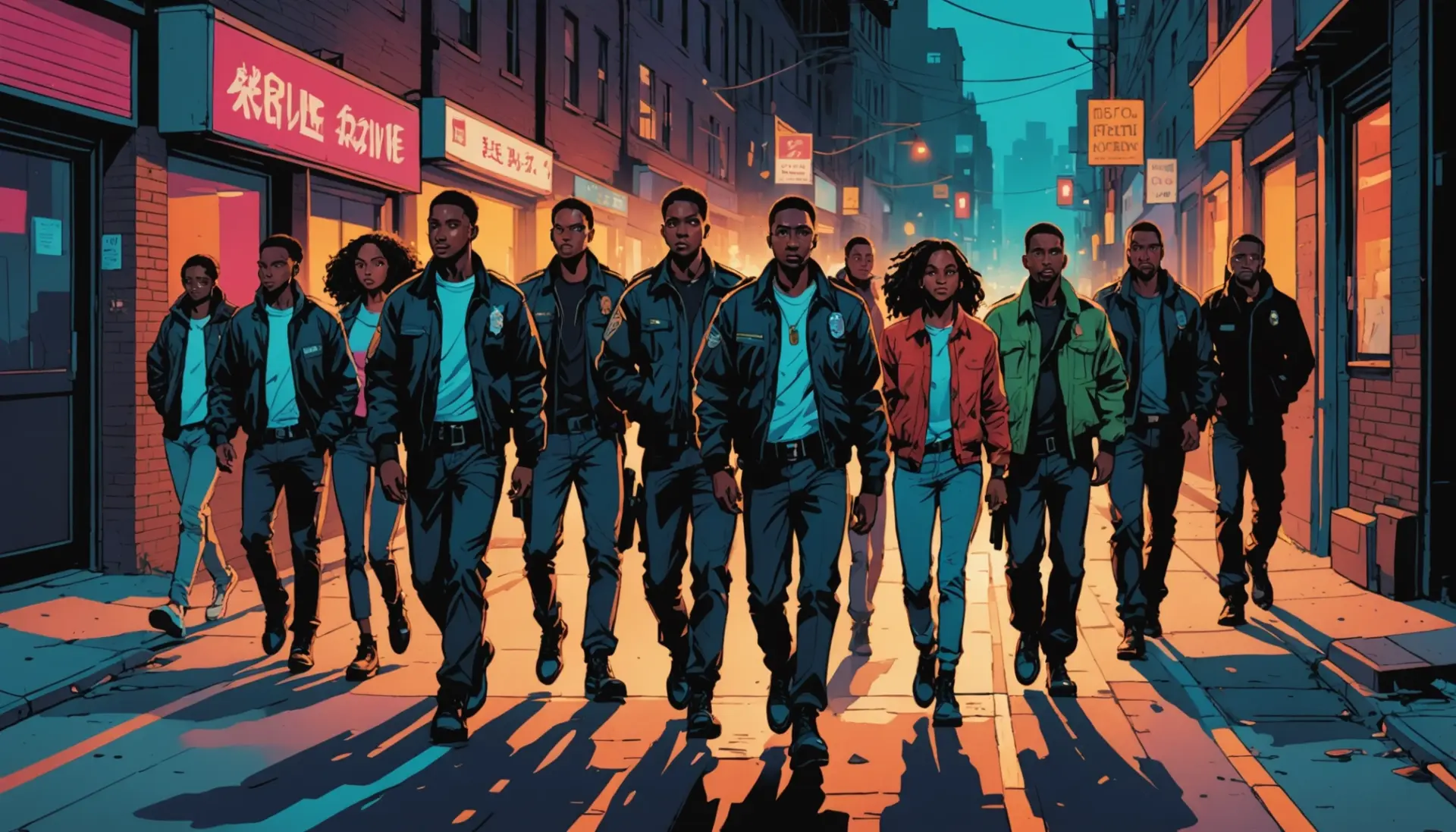

what does dispersal order mean, is the exact phrase people type into search when they spot police telling a rowdy crowd to split up. It sounds intimidating, kind of official, and honestly a bit dramatic. But it is also a specific legal tool used by police to manage anti-social behaviour and reduce immediate risk.
Okay so, if you saw it in a TikTok or read it in a local news alert, you are not imagining things: dispersal orders show up when places get chaotic. Below I explain what it is, where the power comes from, how people actually use the phrase in conversation, and what you should do if it happens around you.
Table of Contents
what does dispersal order mean: plain definition
At its simplest, a dispersal order is an instruction from police for people to leave a specified area and avoid returning for a set period. It can be aimed at individuals or groups, and it typically lasts for up to 48 hours depending on local rules. The goal is straightforward: reduce immediate harm, stop anti-social behaviour, and prevent violence or trouble from escalating.
Think of it like a temporary “clear the area” command, but with legal teeth. Ignore it and you could be arrested or fined. That is why the phrase “what does dispersal order mean” spikes when a clip goes viral of officers telling a crowd to move on at a festival or outside a nightclub.
what does dispersal order mean: legal context and limits
Okay, this part is dry but important. The powers that back dispersal orders vary by country and region. In England and Wales, police have specific powers to remove people from an area when their presence is contributing to anti-social behaviour. Those powers are time-limited and geographically defined.
There are checks. Officers must reasonably suspect someone is causing or likely to cause harassment, alarm or distress. The order must be proportionate and necessary. You can read a general overview on GOV.UK on anti-social behaviour and a quick background on how these tools are used on Wikipedia: Dispersal order. For local policing guidance, community pages like Police.UK are handy for specifics.
what does dispersal order mean in everyday talk
In casual conversation, people use the phrase as shorthand for “the cops told everyone to leave.” It’s not usually legal analysis, it’s more like a status update: “We got a dispersal order, so the party ended early.” The tone varies, from annoyed to relieved depending on who’s talking.
Young people might post “dispersal order at the park, mass migration to the chippy” on socials. Older folks might hear “dispersal order” on the news and think heavy-handed policing. Context matters. Sometimes it’s a tool that keeps people safe, sometimes it feels like overreach. Both views show up in threads and comment sections.
Real examples and quotes
Here are real-style examples of how people actually say it. These are not legal documents, just the kind of messages you’d see in group chats or on Twitter.
“Police issued a dispersal order outside the stadium, everyone had to move on or face being arrested.”
“Got a dispersal order at 2am, ended up at someone’s flat having kebabs. Wild night.”
“They called it a dispersal order but honestly it was just a warning to split up. No one wanted trouble.”
Notice how the phrase functions as both news and mood. You can tell from these lines whether people felt safe, annoyed, or inconvenienced. That nuance is why searches for “what does dispersal order mean” show up a lot after protests, large parties, or football matches.
What to do if you get a dispersal order
If police give you a dispersal order, take it seriously and comply. Move away from the area promptly. Do not try to argue at the scene, stay calm and go to a safe location. You can contest the legality later in court or through complaints, but immediate compliance reduces the risk of arrest.
Keep receipts or screenshots of where you were if you think the order was wrongly applied, and get legal advice if you’re charged. Local free legal clinics or citizen advice groups can help. Also check community resources on how dispersal powers are applied in your area, like on local police sites or council pages.
When it’s used against protesters or troublemakers
People worry about misuse. Protest groups sometimes say dispersal orders are used to stifle demonstrations. The counterpoint from police is safety and preventing escalation. That tension crops up in debates about civil liberties, and it is a big reason the phrase keeps showing up in news cycles.
If you are exercising a right to protest, know the local laws so you can decide when to comply and when to document the action for legal follow-up. Remember, recording interactions, staying peaceful, and knowing a lawyer’s number matters.
Related reading and resources
For background reading, here are a couple of solid sources: the general government guidance on anti-social behaviour at GOV.UK on anti-social behaviour, and a quick encyclopedic entry at Wikipedia: Dispersal order. If you want local rules, use your town’s police site like Police.UK to find exact powers and limits.
And if you liked this type of explainer, we have related posts on the site about other public order terms. Check out move-on order or a cheekier take at clear off. Those break down the slangy, on-the-ground language people use when the cops say move.
Final thoughts
So, short answer to the burning question “what does dispersal order mean”: it is a police power to tell people to leave an area temporarily to stop harm or disorder. It’s legal, sometimes necessary, and sometimes controversial. Context is the storyteller.
Next time you see a clip captioned “dispersal order,” you’ll know it is more than cop speak. It’s a specific tool with rules, limits, and real-world consequences. Stay safe, keep receipts, and yes, keep asking questions like this one when you see official language popping up in your feed.