



Intro
What does immediate dispersal order lifted mean, and why do people keep seeing it in live news tickers and on Twitter? Right up front: the phrase “what does immediate dispersal order lifted mean” shows up whenever police say a crowd-control instruction has ended and people are allowed to stop dispersing. It sounds official, but online it gets used casually, and that causes confusion.
Okay so, this post is written like I am explaining it over coffee. You will get the legal gist, the social media usage, examples of how real people say it, and quick advice for anyone caught in that moment.
Table of Contents
What Does Immediate Dispersal Order Lifted Mean? Quick Legal Definition
The phrase what does immediate dispersal order lifted mean basically signals that an order telling people to leave an area has been cancelled. Police or other authorities often issue an “immediate dispersal order” to break up a crowd, stop anti-social behaviour, or reduce a public-safety risk.
When the order is lifted, it means the requirement to move on is no longer active, so loitering or gathering is no longer being legally enforced by that specific power. Short version: you were being told to go, now you are not.
What Does Immediate Dispersal Order Lifted Mean? Why Authorities Use It
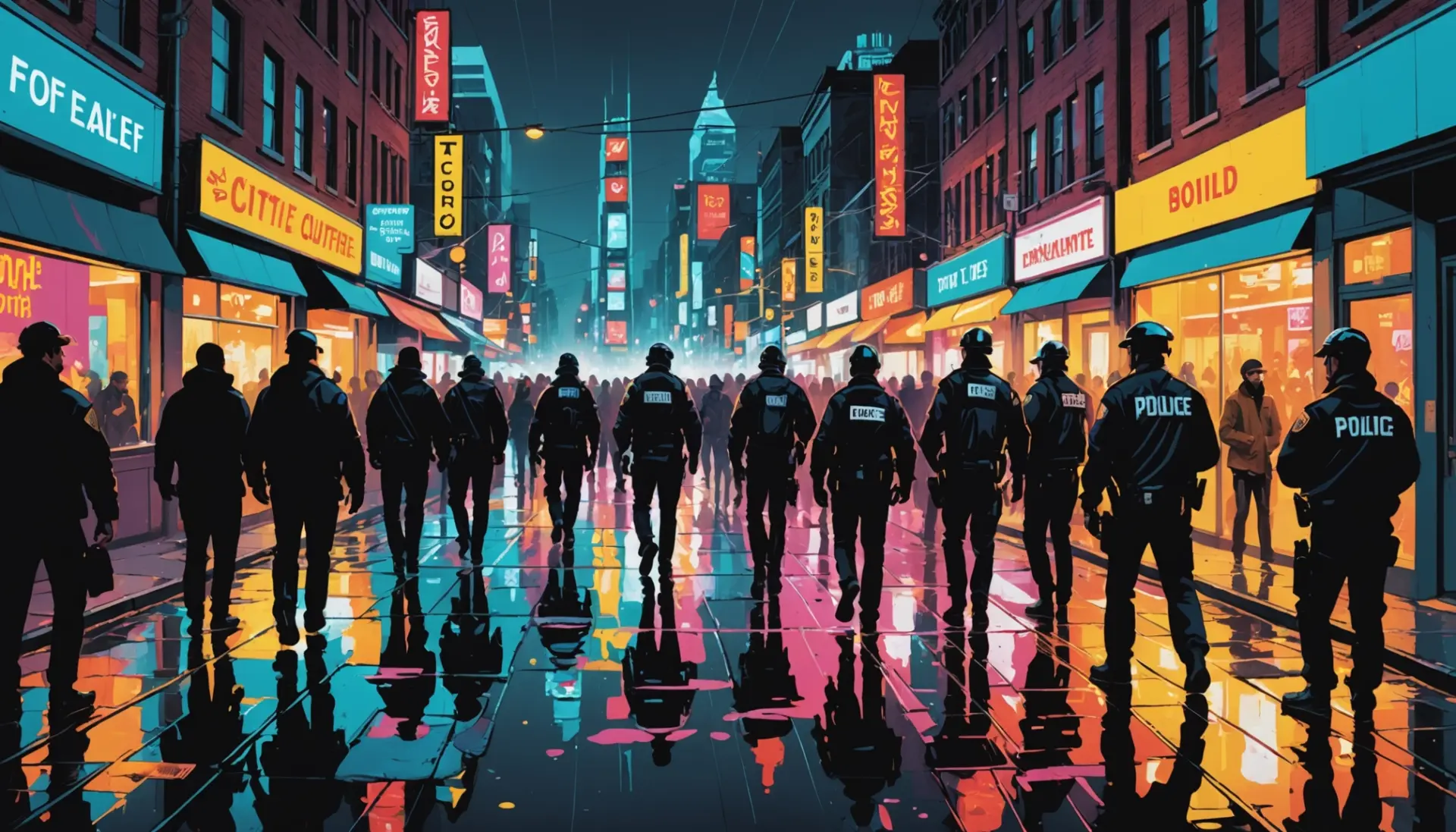
Authorities use a dispersal order as a temporary tool. Think of it as a blunt but fast way to clear an area to reduce immediate harm, like during fights, flash protests, or after a big sporting match where things got heated.
It is meant to be short term. Police will say “dispersal order lifted” once the risk drops below the threshold that justified removing people. So the wording you see in news push alerts is exactly about that change in status.
How People Use It On Social Media
On Twitter and Instagram Stories the phrase what does immediate dispersal order lifted mean often gets clipped into something like “disp order lifted” or “imm disp lifted.” People tape push alerts, tag friends, and post memes about it. Sometimes it becomes a punchline when the crowd immediately reassembles as if nothing happened.
Social feeds also show misunderstandings. Someone might post “Police said immediate dispersal order lifted, so the protest is back on” which is technically accurate, but also shows how casual speech borrows the official phrase and flattens its legal nuance.
Real Examples and Sample Chats
Want real-world lines? Here are actual-style examples you might read or hear.
News alert: “Immediate dispersal order lifted in Downtown, roads reopening.”
Friend text: “Cops just said immediate dispersal order lifted. You heading back?”
Tweet: “They said immediate dispersal order lifted so we all just walked back like it was nothing lol.”
Those capture how the phrase moves between official channels and casual speech. People quote the exact wording when sharing updates because it sounds authoritative, kind of like quoting a headline from a song lyric.
What To Do If You See This
First, breathe. If you see “immediate dispersal order lifted,” it usually means the area is safer relative to moments earlier. That does not mean everything is fine, so use common sense about rejoining a group or staying put.
If you are directly affected by the order, like being told to leave, keep an eye on official channels and the police. Checking local council or police accounts is practical. For background on police powers, reading something like the UK guidance on anti-social behaviour powers can help, see gov.uk anti-social behaviour powers.
Where The Power Comes From
The dispersal power exists in many democracies, though the exact legal basis differs. In England and Wales it sits in legislation related to anti-social behaviour. Other countries have similar public order tools for short-term crowd control.
If you want a neutral primer on crowd control techniques and their history, Wikipedia’s crowd control page is a reasonable starting point: Crowd control on Wikipedia. That gives context for why officers might shout or text out an “immediate dispersal order.”
Legal Cautions and When It Matters
Here is why the exact phrase can matter legally. An “order” implies a specific power was used, which can carry consequences if you refuse to comply. Journalists and courts care about the precise timing: who said the order, when it started, and when it was lifted.
So the social-media shorthand hides legal gravity. If you are involved in an incident, keep notes, screenshots, and timestamps. That stuff matters more than viral clips when it comes to accountability.
Language Notes: Why It Feels Like Slang
Why are we treating what does immediate dispersal order lifted mean like slang? Because people shorthand it, remix it, and meme it. The phrase becomes part of civic vernacular during big events, similar to how phrases like “go home” or “clear the area” take on life in feeds.
If you want more slang-style breakdowns, we have posts on similar viral usage like rizz and delulu. Also see our classic entry on older slang like bogart to compare how words shift from specific meaning to cultural shorthand.
Wrap Up
So, what does immediate dispersal order lifted mean? It means the command to leave has ended, but not that everything is automatically safe. People copy the phrase because it is timely, official, and dramatic.
Next time you see a push alert or someone text “immediate dispersal order lifted,” you can read it as both a legal status update and a social-media signal. Use it to decide whether to move, stay, or just screenshot for the group chat.
If you want more breakdowns of how official language gets repurposed into everyday slang, stick around SlangSphere for more weird and specific turns of phrase.