


What Is Larp Slang? Definition and Origins
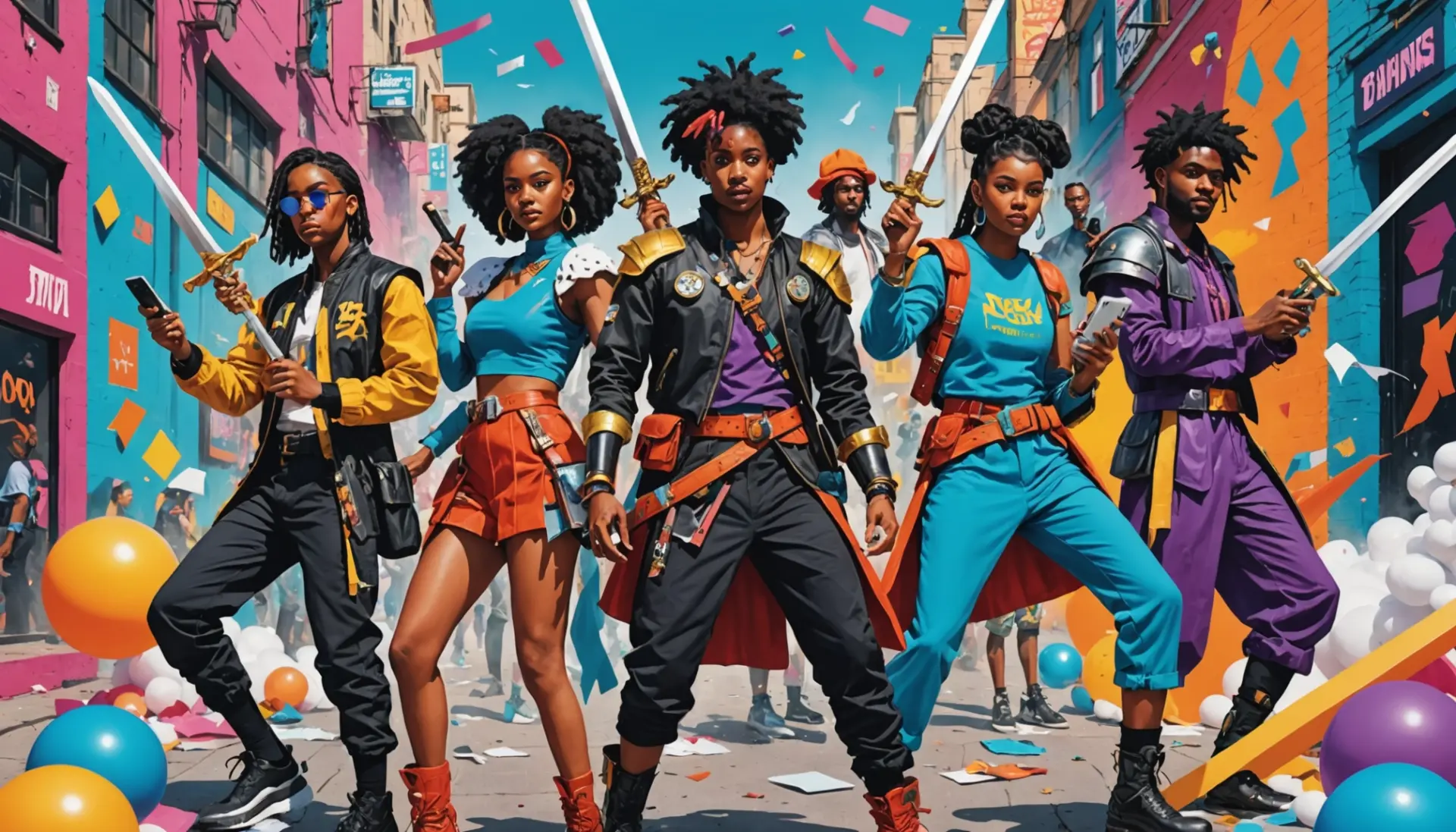
what is larp slang is a question I get all the time from friends who see the word everywhere on TikTok or Twitter and have no clue what it means. At its core, larp comes from live action role-playing, the hobby where people physically act out characters, but the slang use has drifted pretty far from foam swords and medieval tents.
Online, larp slang typically means pretending to be something you are not, performing a persona, or staging an identity for effect. That performance can be harmless cosplay energy, cringe flexing, or straight-up deception depending on context and tone.
Table of Contents
What Is Larp Slang? How People Use It
People use the phrase to call out fake flexes or over-the-top role play that spills into real life. For example, someone posting a staged photo to look rich might get the reply, “stop larping bro,” which means stop pretending to be something you are not.
It also shows up in political contexts, where “political larping” describes performative activism that exists more for clout than real impact. That use has become common on Twitter and in think pieces, where critics call out virtue signaling as a form of larping.
Real Conversation Examples
Want to see how people actually drop the term? Here are realistic snippets you might overhear in DMs or read under a viral post.
“He bought a fake briefcase prop and is larping as a banker. Iconic, low-key sad.”
“She’s larping as a vegan influencer but posts steak pics when the camera’s off.”
“Are you larping as woke or do you actually care about policy?”
Those lines show the word’s flexibility. It can be playful, like teasing a friend, or stingingly critical when used to expose hypocrisy.
When Larp Slang Is Offensive or Problematic
Larp slang can be fine in casual banter, but it turns poisonous when used to erase genuine identity or trauma. For instance, accusing someone of “trans larping” invalidates real gender identity and can be weaponized to harass.
Context matters. If someone is performing a temporary role in a game or art project, calling it “larp” is descriptive. If you use the term to delegitimize lived experience, that is harmful and often targeted at marginalized folks.
How To Respond or Roast, Without Being Toxic
If someone is larping in a way that bothers you, a light, specific reply lands better than a blanket “stop larping.” Try calling out the behavior: “This looks staged, can you share the real process?” That keeps the conversation constructive and avoids punching down.
Want to clap back with humor? Point out the performative bits, not the person. Comedy softens the blow and keeps social media from turning every comment thread into a tribunal.
A Bit of History and Why It Matters
Larp as a hobby dates back decades, and the word migrated online as gamers and fans described their live role-play. The slang meaning evolved with social media, where identity and image are constantly curated and performative acts are exposed quickly.
For more on the hobby side of things, the Wikipedia page for Live action role-playing is a great starting point, and the Know Your Meme entry on larping tracks how those jokes spread on the web.
Related Slang and Where You’ll See It
Larp slang sits near other identity terms like “rizz” for charm or “delulu” for delusional fantasies. If you want to read more on nearby slang, check out our takes on rizz, delulu, and the classic bogart slang meaning.
It also overlaps with phrases like “clout chasing,” “performative,” and “catfish,” each describing different shades of pretending for gain or attention.
How To Use the Term Without Sounding Like a Clown
If you want to use the word, aim for clarity. Calling out a staged ad or unrealistic influencer photo as “larping” lands if the aim is to highlight fakery. Avoid applying it to someone’s identity, medical choices, or experiences.
A rule of thumb: critique actions, not existence. That keeps your critique sharp and avoids punching down on people who are actually struggling.
Final Thoughts and Quick Recap
So, what is larp slang? It is a shorthand for performative pretending, often used online to call out fake flexes, staged identities, or attention-seeking behavior. It grew out of tabletop and live-action role-playing culture and now lives in meme threads and tweet storms.
Use it thoughtfully, and you can call out inauthenticity without becoming the very internet critic you hate. ngl, words like this are fun because they condense a complex social behavior into three syllables. Also, they are useful when you need a quick, slightly savage clap back.
Further Reading and Sources
For a deeper look at the hobby roots and how the term spread online, read the Wikipedia piece on live action role-playing and the Know Your Meme documentation on larps and larping. Those pages chart the shift from leather armor to meme culture.
And if you want more slang context, our site has longform entries on other trending terms and how communities shape language over time.