



Intro
what does praise to allah mean, you might ask after seeing it in a caption or hearing it in a celebratory chant. People drop this phrase in all kinds of places: sports clips, Ramadan posts, and everyday chats. It carries a heavy cultural and religious history, yet it also shows up casually online. That dual life is what makes it interesting.
Table of Contents
What Does Praise to Allah Mean: Meaning and Simple Translation
The phrase what does praise to allah mean points you straight at gratitude and glorification in Islamic terms. In Arabic, the most common equivalent is “Alhamdulillah,” which literally means “praise be to God” or “all praise is due to God.” People use it to thank God for something good, to acknowledge blessings, or to express relief.
So when someone writes “praise to Allah” in English, they are usually offering thanks or recognition to God. It is both a prayer-like phrase and a shorthand cultural expression. Short and powerful.
What Does Praise to Allah Mean: Origins and Word Roots
To understand what does praise to allah mean we peek into Arabic and Islamic practice. The root word hamd means praise, and expressions like Alhamdulillah are part of classical Arabic and Quranic language. This is not slang born on the timeline app, it is centuries old language adapted into modern talk.
The phrase moved from liturgy into everyday speech. Think of Christians saying “praise the Lord” in English, then imagine that crossing languages and cultures. It became a natural translation people use when they want to speak English but keep the original religious nod.
What Does Praise to Allah Mean: Usage Today
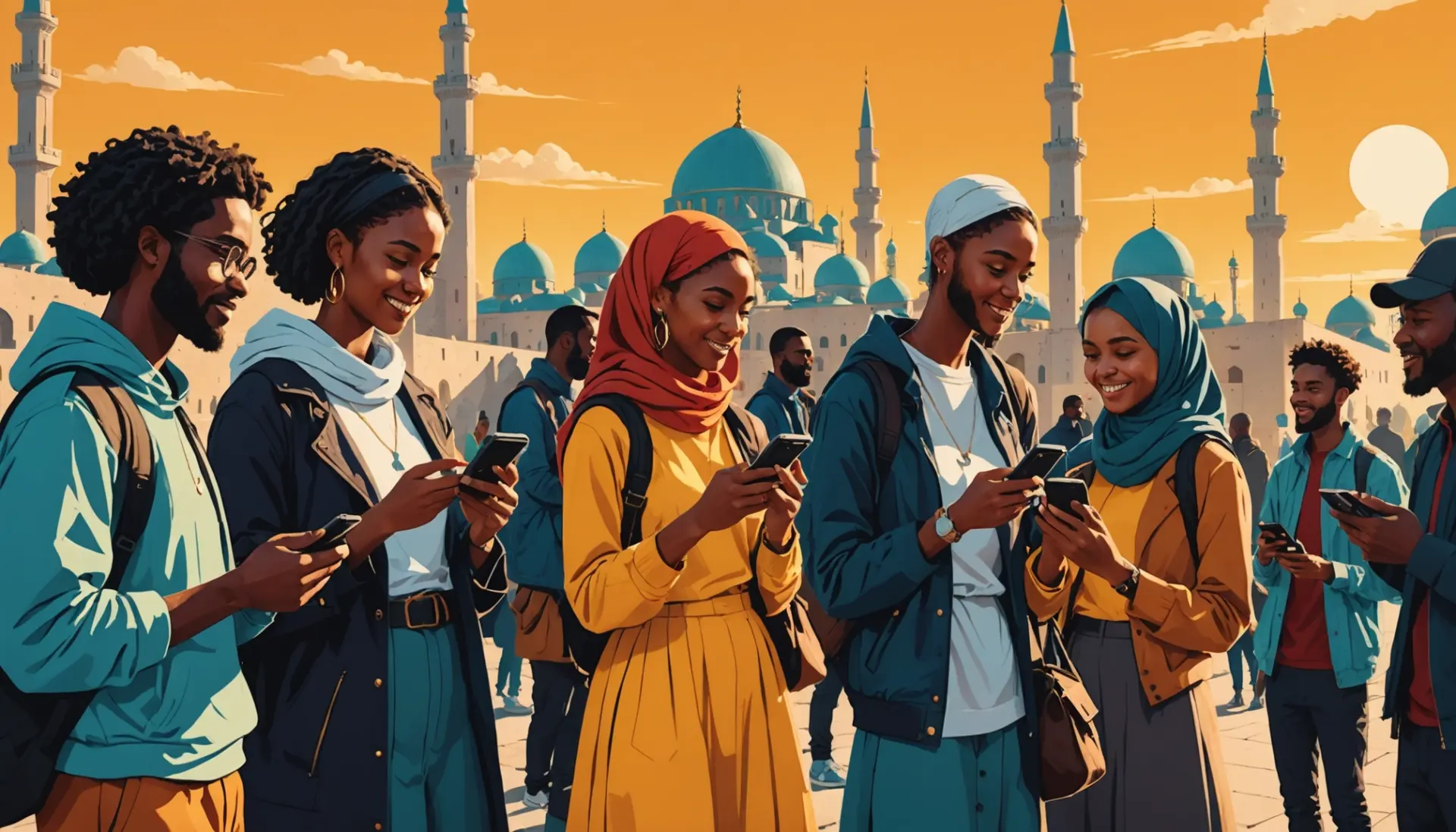
People use what does praise to allah mean in many contexts: sincere prayer, casual gratitude, or even celebratory social media posts. Athletes like Mohamed Salah often express a phrase with the same sentiment after scoring. That clip culture spreads the phrase beyond mosque walls into global feeds.
On Twitter or Instagram you will see it as a caption after good news, like a job offer or exam results. Some use it with irony or as a meme, which can annoy devout speakers, but it also shows how language shifts. The phrase moves, adapts, and sometimes picks up layers of meaning.
What Does Praise to Allah Mean: Etiquette and Respect
If you are not Muslim, using what does praise to allah mean requires a little common sense. Saying it in a respectful way is usually fine, especially if you understand the meaning and intend gratitude. Using it as a joke about religion is not cool, and people will call that out fast.
Context matters. In a respectful caption after someone shares good news, the phrase reads as solidarity. In a mocking meme, it reads as disrespect. If you are unsure, stick to translations like “I am grateful” or ask a Muslim friend how they prefer it used.
Real Examples and Conversations
Want actual lines people use? Here are a few real-feel examples that land in group chats and replies. Short, immediate, no fuss.
Friend 1: “Just got the promotion.” Friend 2: “praise to Allah, well deserved.”
Reply to a goal clip: “Salah with another one, praise to Allah!”
Sometimes you see it paired with “Alhamdulillah” in brackets, like someone wants to be clear about the origin. Other times it shows up in commentary threads when someone survives a close call, like a car crash update. The usage is broad, from solemn thanks to rapid-fire online reactions.
What Does Praise to Allah Mean: Common Confusions and Misuses
People often conflate “praise to Allah” with generic spiritual praise or with God in a vague monotheistic sense. While close, the phrase has specific theological resonance in Islam. Mixing it into unrelated religious expressions can come off as flattening something meaningful.
Another confusion is thinking it is a trendy slang word. It is not slang in origin, though it behaves like slang in modern social media. That slippery middle ground is why you hear debates about whether non-Muslims should use it casually.
Conclusion
So what does praise to allah mean, finally? It is an English rendering of a deep, common Islamic expression that centers gratitude and acknowledgment of God. People use it in prayers, celebrations, and on social feeds. The phrase is simple, but it carries history and feeling.
Be mindful when you use it, learn the common Arabic equivalent like Alhamdulillah, and respect the tone of the moment. If you want more on related phrases, check internal pages such as Alhamdulillah Meaning and Praise Slang Meaning. And for background on Islam and worship practices see this overview from the BBC Religion.
Quick Takeaways
Short summary: the phrase conveys gratitude, it links to Alhamdulillah, and it shows up in both sacred and casual spaces. Use it with awareness. Language moves fast, but respect matters more than being witty.