



Introduction
clean up crew urban dictionary is what a lot of people type when they want a quick, messy verdict on what “clean up crew” actually means online. Search it and you get a pile of entries, jokes, violent takes, and the literal definition about janitors and party helpers. Urban Dictionary entries tend to be all over the place, which is exactly why this phrase has multiple lives. I want to walk you through how people actually use it, where some of the meanings come from, and how to use it without sounding like a dinosaur.
Table of Contents
clean up crew urban dictionary: Common Meanings
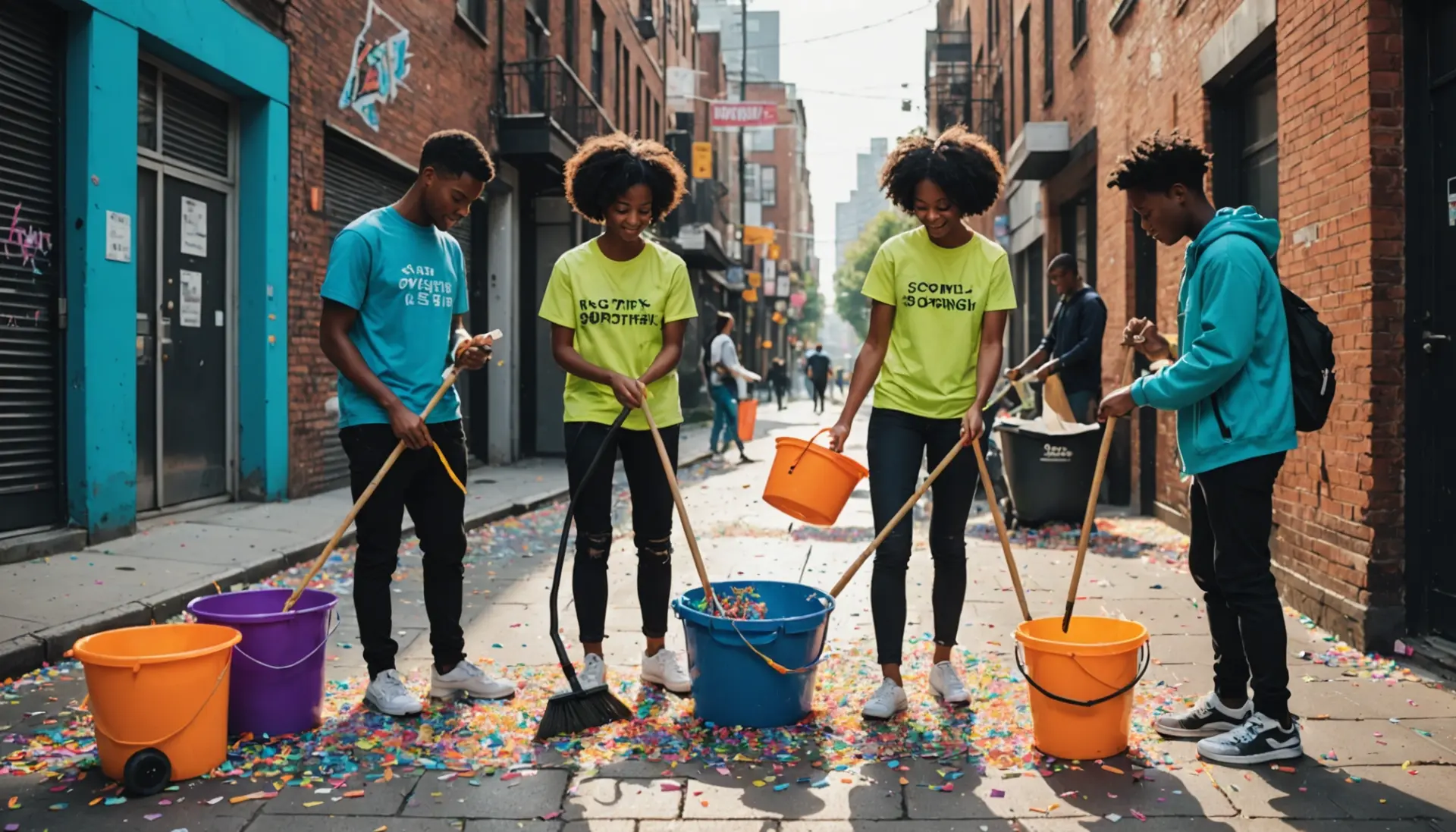
When you look up clean up crew urban dictionary you’ll find at least three flavors of the term. One is the literal, boring meaning: people hired to tidy up a space after an event, the janitors, custodial staff, and sanitation people who actually do the work. That’s straight out of common usage and formal dictionaries like Merriam-Webster’s cleanup.
The second meaning is party slang, the crew that makes sure nothing incriminating or embarrassing is left behind after a wild night. Think friends who gather trash, stash bottles, and make sure the host doesn’t get in trouble. That version is playful and common in TikTok party recaps and group chats.
The third meaning, which pops up on Urban Dictionary a lot, is darker: a metaphorical or literal crew hired to “clean up” evidence after a crime, or people who handle nasty business for someone. That usage appears in crime shows and gangster movies, so it’s half-myth, half-cultural shorthand.
clean up crew urban dictionary: Origins and Context
The phrase “clean up crew” obviously stems from literal cleaning work. Cities, stadiums, and event planners use the term for teams that restore order. Wikipedia has background context on cleaning and workforce roles if you want the nuts and bolts, see Cleaning.
Over time, the phrase got repurposed. In the 1990s and 2000s it showed up in club culture, hip hop bars, and underground scenes where crews would literally help a promoter by tidying up after a show. Then media took that idea and exaggerated it: mob movies and crime dramas use the term for people who remove bodies or evidence, and that darker meaning filtered into casual slang.
Examples in Real Conversation
People on social platforms often quote snappy examples of usage. Here are realistic ways you might see the phrase used, with the vibe attached so you know tone matters.
“Yo, bring trash bags. We need a clean up crew before my roommate gets home.”
Playful, apologetic, not dramatic. This is the party-cleaning sense.
“He’s on the clean up crew, ngl, he handles all the awkward convos after drama pops off.”
Metaphorical, about emotional labor or damage control rather than literal messes.
“They said the company brought in a clean up crew to deal with the leak.”
Corporate or PR context, can be neutral or suspicious depending on tone.
“In the movie, the clean up crew shows up after the hit, real scary stuff.”
Criminal or cinematic use, often hyperbolic when used in casual chat.
Cultural Notes and Media References
Why does this phrase stick? Because it fits so many scenes. You get the literal custodial teams after a concert, the friends who pick up broken glass after a rager, and the cinematic trope of unseen operatives sweeping up a mess. It appears in songs and lines in movies; think of any mob film where someone “takes care of business” and you’ve got the vibe.
On social media, the term sometimes trends as a joking clapback. Someone posts a messy achievement and followers comment with “call the clean up crew,” mixing mock alarm and celebration. Memes love the contrast between chaos and the calm, efficient people who fix it.
How to Use “Clean Up Crew” Without Being Cringe
If you want to use clean up crew urban dictionary meanings in chat, context is everything. At a party, say it with a laugh: “We need a clean up crew.” That signals you know the work is annoying but communal. In a workplace or PR setting, the phrase can sound accusatory, so be deliberate.
And watch out for the darker connotations. Joking about violence or crime as “bringing in the clean up crew” can land badly. Tone it down, or better yet use a clearer phrase if you mean damage control, like “we need to manage this fallout.”
Related Slang and Links
If you’re drifting from this phrase to other slang, try pairing it with related terms. For emotional labor talk you might see “fixer,” for someone who cleans social messes people say “damage control” or “the fixer.” If you want quick reads, Urban Dictionary hosts many crowd-sourced takes: Urban Dictionary: clean up crew.
Want similar slang on SlangSphere? Check out our takes on rizz and ghosting. For the formal definition of cleanup work head to Merriam-Webster, and for cultural context see Wikipedia’s Cleaning page.
Conclusion
So what does clean up crew urban dictionary actually tell you? It tells you people want a quick, sometimes snarky shorthand for everything from janitors to damage-control teams to cinematic henchmen. The phrase is flexible, which is why it keeps popping up in group chats, captions, and slang threads.
Use it with awareness, and you’ll sound current without sounding careless. And yes, if you ever have a real mess, call the actual clean up crew and tip them well. They deserve it.