


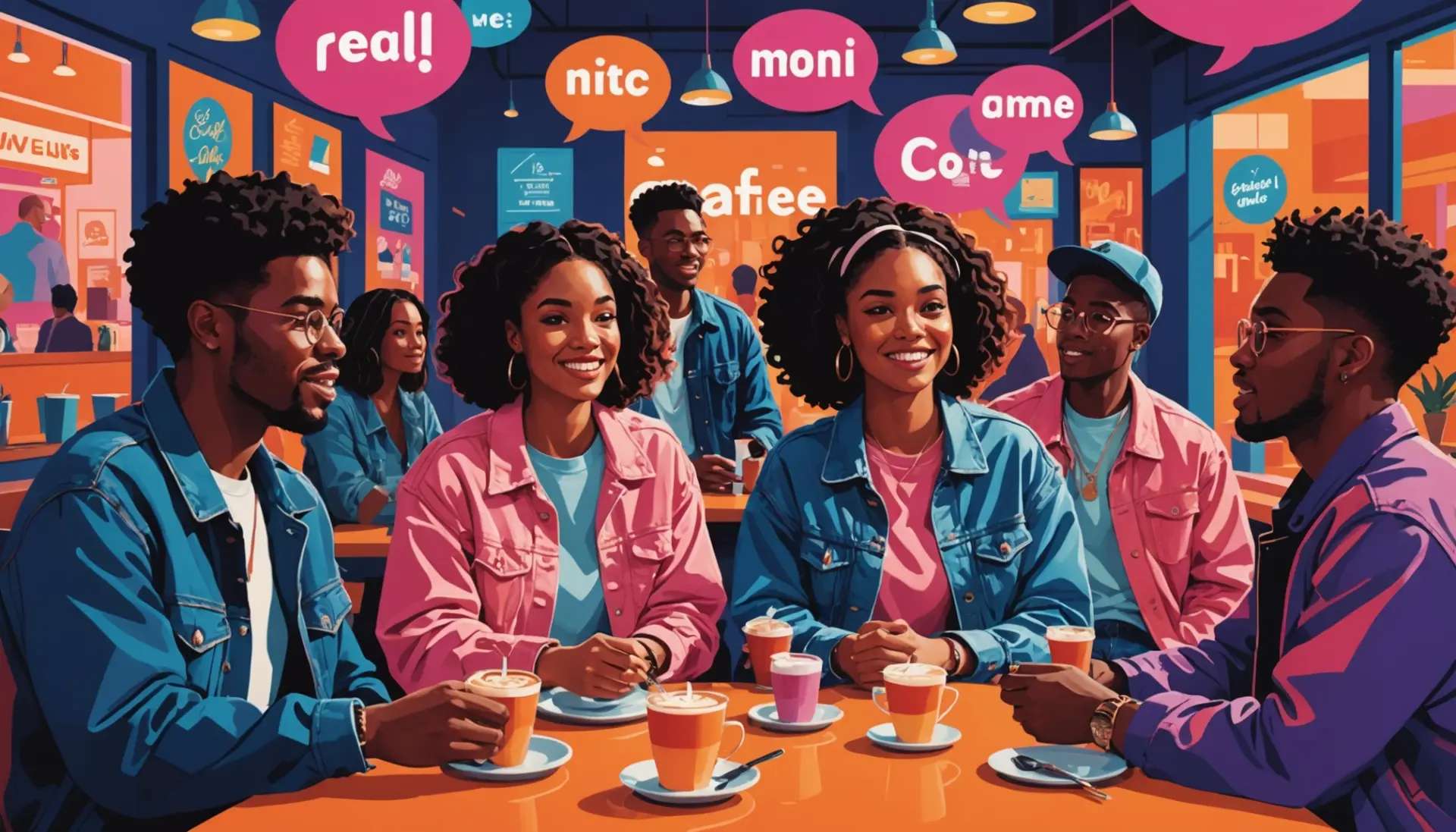

what does no cap mean, anyway? If you hear someone say no cap, they are telling you they are not lying or exaggerating. Ngl, the phrase moved from hip-hop tracks to group chats and TikTok captions faster than most other slang. It now lives everywhere, from screenshots of DMs to verified Twitter takes.
Table of Contents
What Does No Cap Mean: Basic Definition
Ask anyone on the street and you will get the same answer: what does no cap mean is shorthand for being truthful, like saying, “seriously” or “for real.” It is a denial of exaggeration. You can tack it on to the end of a statement to signal honesty, or say it upfront to emphasize that you really mean what you say.
The literal translation is simple: no cap = no lie. But there is tone baked into it. Say it deadpan and it lands as earnest. Say it with a laugh and it reads as playful. Context matters, always.
What Does No Cap Mean: Origins and History
The phrase came out of African American Vernacular English and hip-hop circles before it went viral. People used “cap” to call out lies or flexes for years, and then “no cap” flipped that meaning into a truth marker. The shift from underground slang to mainstream happened through rap lyrics, social media, and a steady stream of memes.
Want a bit of reading on how slang terms move into general usage? Take a look at a quick explainer on Wikipedia. For a meme-focused timeline of how “no cap” exploded online, Know Your Meme is a solid reference. Dictionaries also caught up: Merriam-Webster ran a piece on cap and no cap that helps pin down the modern definition, and it’s worth a skim at Merriam-Webster.
How People Actually Use No Cap
So how does a typical exchange with no cap go? It usually looks like this: someone makes a claim and then reinforces it with no cap. For example, “That concert was the best I’ve ever been to, no cap.” You’re saying you are not exaggerating. Short. Clear.
It can also introduce a statement: “No cap, I studied eight hours for that exam.” Here the speaker wants credibility. The phrase rides a spectrum from casual to emphatic, which is why it’s so flexible in speech and text.
There is also a flipping move where people sarcastically say “no cap” when they obviously are lying. That irony is a typical social media energy move, and you will see it on TikTok captions all the time.
Real Examples and Dialogues
Below are realistic ways people use the phrase, not just dictionary sentences. Short, everyday stuff.
Friend 1: “You actually loved that movie?”
Friend 2: “Yeah, no cap, it was amazing.”
Text message:
“I can pick you up at 7, no cap.”
And in a slightly sassier tone:
“Bro said he ran a 4-minute mile, no cap? Bro couldn’t run away from a bad Wi-Fi signal.”
Those examples show different vibes: straight truth, casual promise, playful roast. All use no cap to manage trust and tone in a compact way.
Why No Cap Blew Up
Part of the reason what does no cap mean became a household phrase is platform power. Twitter, Instagram, and especially TikTok made short, catchy tags succeed. A line in a viral video becomes a phrase people repeat without thinking about origin stories. Also, the phrase is short, rhythmically pleasing, and hooks neatly onto a sentence. Good combo for virality.
Artists and influencers helped too. When rappers use a phrase in a chorus, it reaches millions. When TikTok creators loop that chorus under a trend, the phrase becomes daily vocabulary. Again, it’s about exposure plus a phrase that’s useful in casual honesty signaling.
If you want more on how online culture spreads slang, check a breakdown on Know Your Meme and see how lexicographers catalog new words at Merriam-Webster.
When to Say It and When to Skip It
Being fluent in slang is useful, but context filters matter. Use no cap with friends, in casual texts, and in memes. Skip it in formal emails to your boss, in a court statement, or when a precise tone is required. Honestly, the phrase is casual currency, not legal tender.
One more note: some people are sensitive to cultural appropriation when slang moves out of its original communities. If you are borrowing the phrase, be mindful of context and don’t weaponize it in ways that erase origins. A little respect goes a long way.
Before you go, here’s a tiny checklist for usage: if you need to emphasize honesty, use it; if you are being sarcastic, use it; if you are in a formal setting, don’t. Clear, efficient, and kind of fun.
Want to compare no cap with other buzzy terms? We’ve written about similar slang like rizz slang meaning and the base term cap slang meaning on SlangSphere. Read those to map the tonal cousins and when to deploy each one.
So, what does no cap mean? It’s your little flag for honesty, a nuanced tone tool, and a tiny cultural artifact that tells you where language is moving next. Use it smart. Use it sparingly. And have fun with it.