



Intro: What You Actually Mean When You Ask “ride definition slang”
Ride definition slang is one of those tiny phrases that pulls a lot of weight, ngl. Say it once and people might picture a lowrider, a loyal friend, or a street phrase about trouble, depending on where you grew up. This post unpacks the main meanings, where they come from, and how to use the term without sounding like you just read it on Urban Dictionary and left.
Table of Contents
Ride Definition Slang: Core Meanings
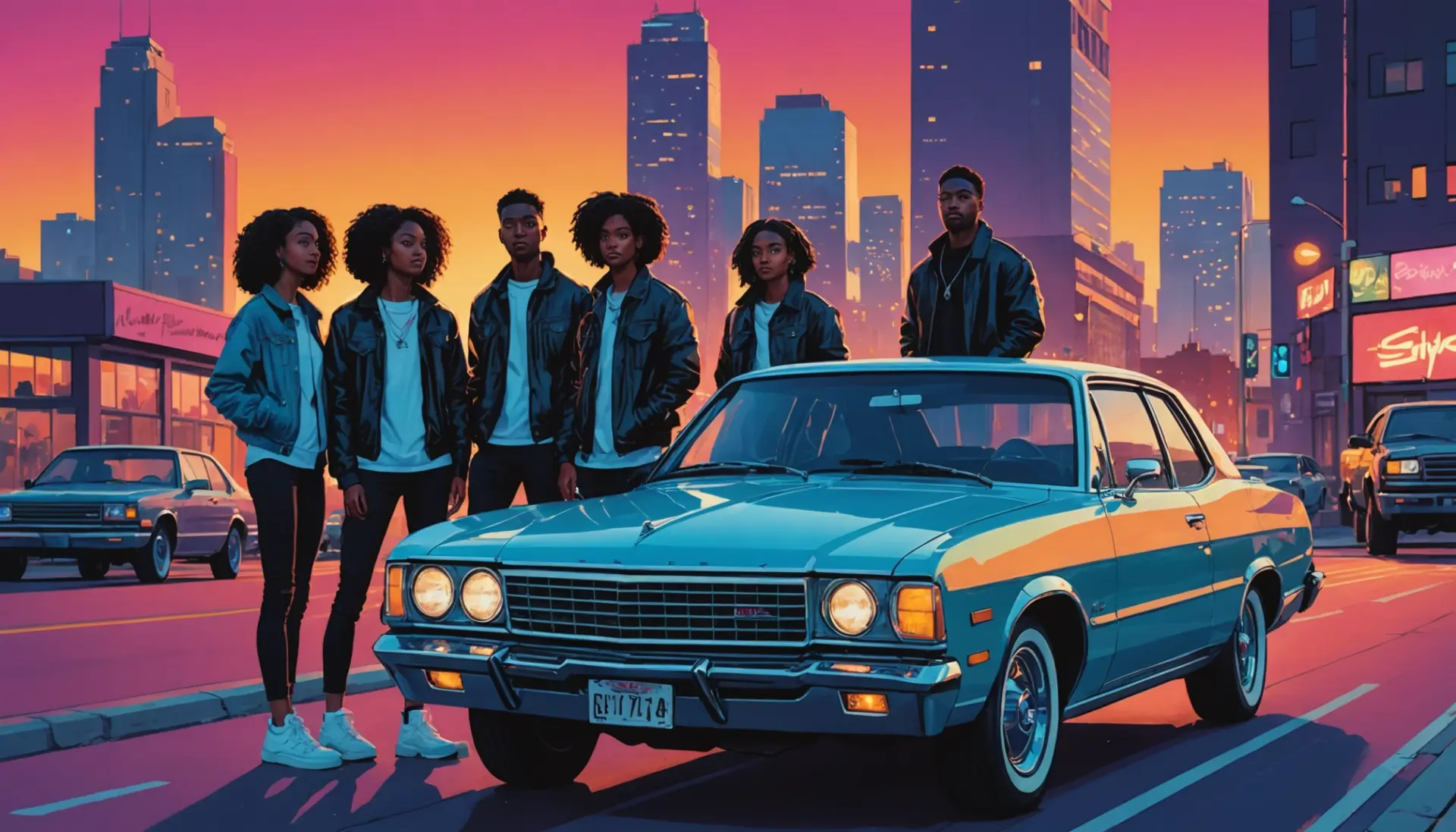
When people ask for the ride definition slang they are usually trying to map one short word to several different vibes. First, ride as a noun often just means a car, the classic meaning if you grew up on 90s rap and car culture. Think Nelly singing “Ride wit me” and the chorus stuck in your head while cruising.
Second, ride as a verb can mean to support someone fiercely, like “I will ride for you.” That is ride as in loyalty. Third, ride can mean to criticize or roast someone: “Stop riding me about my haircut.” Context flips it fast.
Fourth meaning is darker: in some contexts ride refers to carrying a gun or doing violent acts on someone else’s behalf. This usage appears in older gang-affiliated slang and in rap narratives, so be careful using it if you don’t want to signal something violent. Last, ride can be sexual slang in some conversations, used to describe a partner or sexual encounter. So many meanings. Yeah.
Ride Definition Slang: Origins and Culture
Words like ride have long histories because they come from everyday life. The car meaning is obvious: if your wheels are your status symbol, ride becomes shorthand. You can trace this to car culture, hip-hop, and movies where cars are identity props.
The loyalty meaning is rooted in the idea of “riding with” someone through trouble. That phrase became mainstream in hip-hop lyrics and later in social language. You hear it in songs and interviews where an artist says someone “rides” for them when they stand by them through legal drama or beef.
The critique meaning, “to ride someone,” seems to come from a slightly different angle, where “ride” becomes a verb of pressure. It shows up in online comment sections and in friend circles the same way as “drag” or “clap back.” The slang has layered itself with pop culture references over decades.
Real-Life Examples and Conversations
Okay, here are some realistic ways people use the phrase. These are natural speech examples you might overhear on a campus quad, in a group chat, or at a BBQ.
Friend 1: “Yo, peep his ride though.”
Friend 2: “Sick rims. He pulled up in a clean ride.”
Friend 1: “You good with Jules?”
Friend 2: “Yeah, she’ll ride for me. She’s day-one.”
Friend 1: “Quit riding me about my grades.”
Friend 2: “Chill, I’m just messing.”
On social media you will also see captions like, “Cop the ride,” or tweets that say, “Who’s riding with me to the concert?” On TikTok someone might say, “He’s got ride or die energy,” riffing on the phrase ride-or-die, which has its own cultural baggage.
Song references matter. Nelly’s “Ride Wit Me” and Chamillionaire’s “Ridin'” both helped cement car and street meanings in mainstream ears. Pop culture keeps reshaping what ride suggests.
Nuance, Region, and Tone
Where you are and who you are talking to changes everything. In many U.S. cities ride meaning “car” is obvious. In smaller towns that usage might be less common. In some communities ride is almost exclusively a loyalty marker. You know who will “ride” for you in an emotional sense, versus who’s just a casual friend.
Tone matters a lot. If someone says “Don’t ride me,” they are asking you to stop harassing them. If someone says “He’d ride for you,” that is high praise for loyalty. If someone mentions ride in a police or legal story, it might be about carrying weapons or being involved in violence. The same string of letters, wildly different vibe.
Also, ride mixes with other slang: “ride-or-die” means unconditional loyalty, while “ridin’ dirty” refers to driving with contraband. If you want formal definitions, check a dictionary for the base meanings, like Merriam-Webster’s entry for ride, and for cultural references see the song context like Ridin’ by Chamillionaire.
Final Notes and Further Reading
So when someone asks “ride definition slang” you can respond with nuance: it can mean a car, loyal support, verbal attack, a sexual meaning, or a violent implication depending on context. Use the clue words around it to decode the intended meaning. Look at the vibe, the medium, and the people speaking.
If you want to nerd out further on how slang like ride evolves with culture, I like stumbling into meme histories and music threads. Know Your Meme sometimes traces how phrases blow up online, which is useful for modern shifts: Ride-or-die meme page. And of course slang changes fast, so keep listening.
Curious about related words? See how “rizz” affects dating slang on our site, or why “bogart” ended up meaning hogging something: Rizz slang page, Bogart slang meaning. Want a deep dive into “ride-or-die” culture on SlangSphere? We’ve got that too: Ride-or-die.
Last thing: be careful using the term in unfamiliar spaces. Slang is local, layered, and loud. One good rule, honestly: if it feels like it could mean something violent or sexual in a room, don’t use it unless you know the vibe. Cool? Cool.