



Introduction
seriously in modern slang is more than the polite word your teacher used, and that first sentence says it loud: the phrase has picked up new tones, uses, and quirks in online chat and IRL banter. People still use it to mean earnestness, but younger speakers often weaponize it as sarcasm, disbelief, or an intensifier. This post maps how that shift happened, how people actually say it, and which cultural moments nudged the change.
Table of Contents
What “seriously in modern slang” Means
At its core, seriously in modern slang can mean the same thing as the dictionary entry: with seriousness or truly. Merriam-Webster still lists the traditional senses, and that baseline matters when you watch how people flip it online. But because language is social currency, speakers have stretched it into several practical uses that feel very 2020s.
So what are those uses? People use seriously as an incredulous question, as an intensifier, and as minimal approval. The word became flexible enough to carry multiple attitudes depending on tone and punctuation, or lack of it, when typed.
How “seriously in modern slang” Gets Used
When you hear someone say seriously in modern slang, listen for delivery first: a flat “seriously?” is disbelief, a stretched “seriooously” can be playful, and a clipped “seriously” after good news is genuine excitement. Text changes things more: “srsly” is the common abbreviation in DMs and memes, and it carries slightly less formality. There is history in that abbreviation too, tied to the general shortening trend of internet slang, which Wikipedia covers under Internet slang.
There are also sarcastic uses where seriously acts like a soft burn. Say someone brags about a tiny flex and the reply “seriously?” does all the work. You could call this a verbal eye roll, and Know Your Meme has pages cataloging similar ironies and reaction formats like reaction GIFs that pair with the word Know Your Meme.
Tone, Variations, and Regional Flavors
Not all seriously is created equal. In some US regions a sincere “seriously” still reads as earnest, especially in older speakers. Among teens and Gen Z, though, it often signals suspicion or dry humor. Accent, context, and platform change it as well: TikTok captions might use “srsly” for a meme vibe, while a therapist might use the full form in a sincere setting.
There are also playful spellings you will see: “srsly”, “seriusly” in lazy typos, or the elongated “seriouslyyyyy” for emphasis. Those spellings act like tone indicators. They tell you if someone is joking, annoyed, or actually shocked without needing extra words.
Cultural Moments That Shaped Usage
Certain viral moments amplified specific senses of seriously in modern slang. Think reaction culture: Twitter threads and TikTok duet formats often hinge on a single-word rebuttal. The rise of reaction GIFs, meme replies, and short-form video turned single words into whole responses, and seriously was perfectly suited for that economy.
Pop songs and celebrity interviews also matter. When a star uses ‘seriously?’ during a viral clip, that clip gets clipped, captioned, and reused as shorthand for disbelief. That’s how language migrates from a live moment into mass meme usage. For background on how single-words travel via media, see Merriam-Webster’s notes on word usage and cultural spread at Merriam-Webster.
Examples of “seriously in modern slang” in Conversation
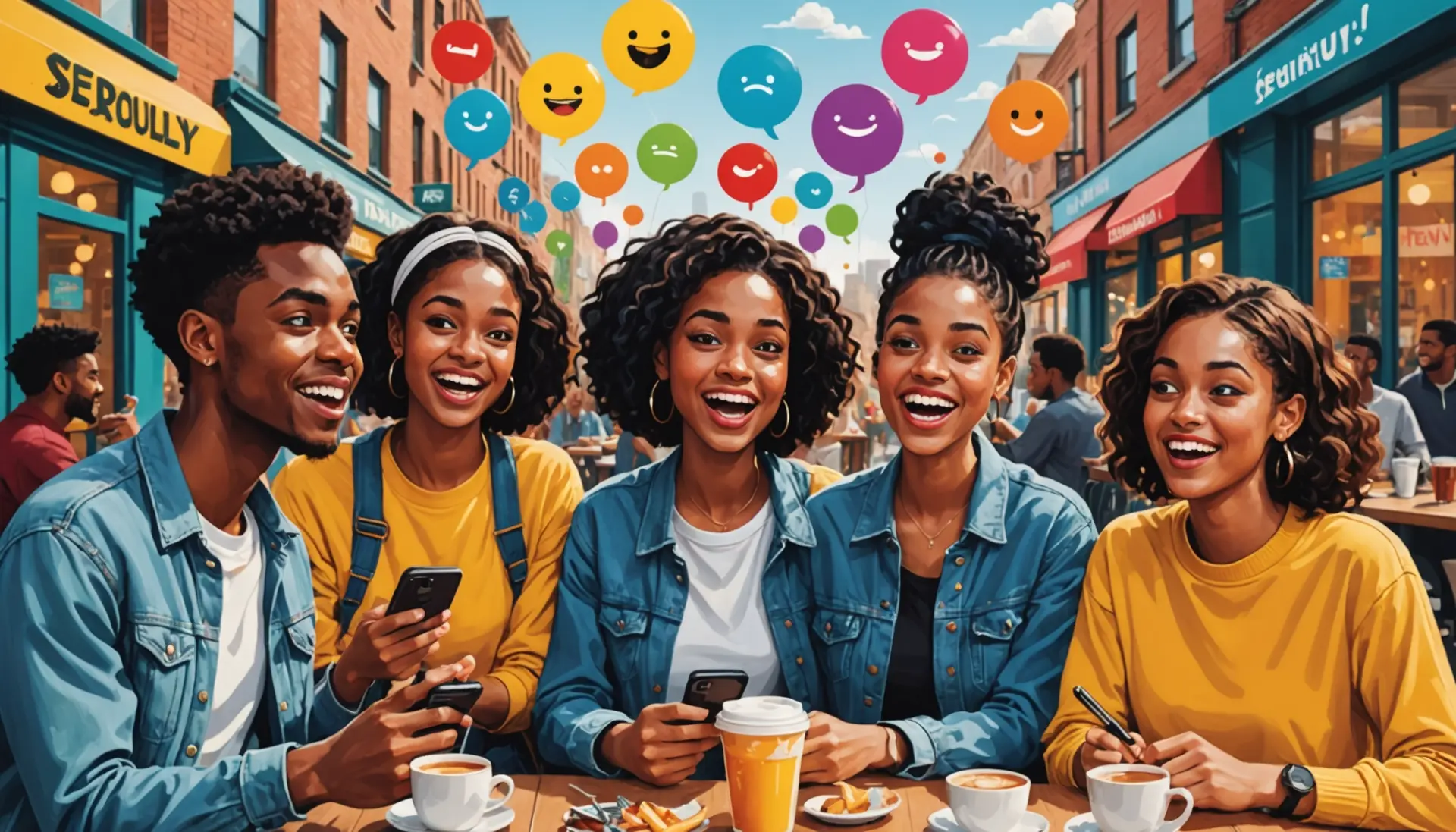
Here are real-feeling lines you might overhear in chat or coffee shop talk. These are not academic quotes but actual conversational shapes people use.
Friend 1: “I only slept three hours but somehow I hit all my deadlines.” Friend 2: “Seriously? Teach me your witchcraft.”
DM: “I got front row tickets to Taylor.” Reply: “seriously!!!”
Flat reply to a flex: “I saved $2 on gas today.” “Seriously?”
Notice the variety. Those three examples show the intensifier, the joyful affirmation, and the skeptical retort. The same single word moves between support and sarcasm based on punctuation and tone.
Related Slang and Comparisons
seriously in modern slang sits near other short reaction words like “fr” and “no cap.” If you want to compare, “fr” or “for real” often overlaps with the earnest sense of seriously. “No cap” signals truth, while seriously can be used either to ask if something is true or to emphasize that truth.
For a primer on these relative terms, check our pages on rizz and sus which show how single-word slang can be loaded with context. Language is relational, so you hear seriously next to these friends a lot.
Why Tone and Punctuation Matter
Online, punctuation is the voice. “Seriously?” with a question mark leans skeptical. “Seriously!!!” is excited. “seriously” in lowercase, no punctuation, is frequently detached or dry. Those small choices decide whether you’re asking for clarification or serving a side-eye.
People also layer emojis to steer interpretation. A crying-laugh emoji softens a sarcastic seriously, while a heart emoji makes it supportive. Emojis are basically vocal fry for text, signaling the same shades of meaning.
Quick Takeaway
If you want the condensed version: seriously in modern slang started as the old-school word and now does triple duty as disbelief, emphasis, and affirmation. Pay attention to tone, platform, and punctuation to read it right. Use it earnestly and it lands; use it flat and it stings.
Language evolves fast, and words like seriously are proof that even the smallest terms can become social tools. Want to see how people use similar short reactions? Peek at our pages on cap and srsly for more context and examples.