


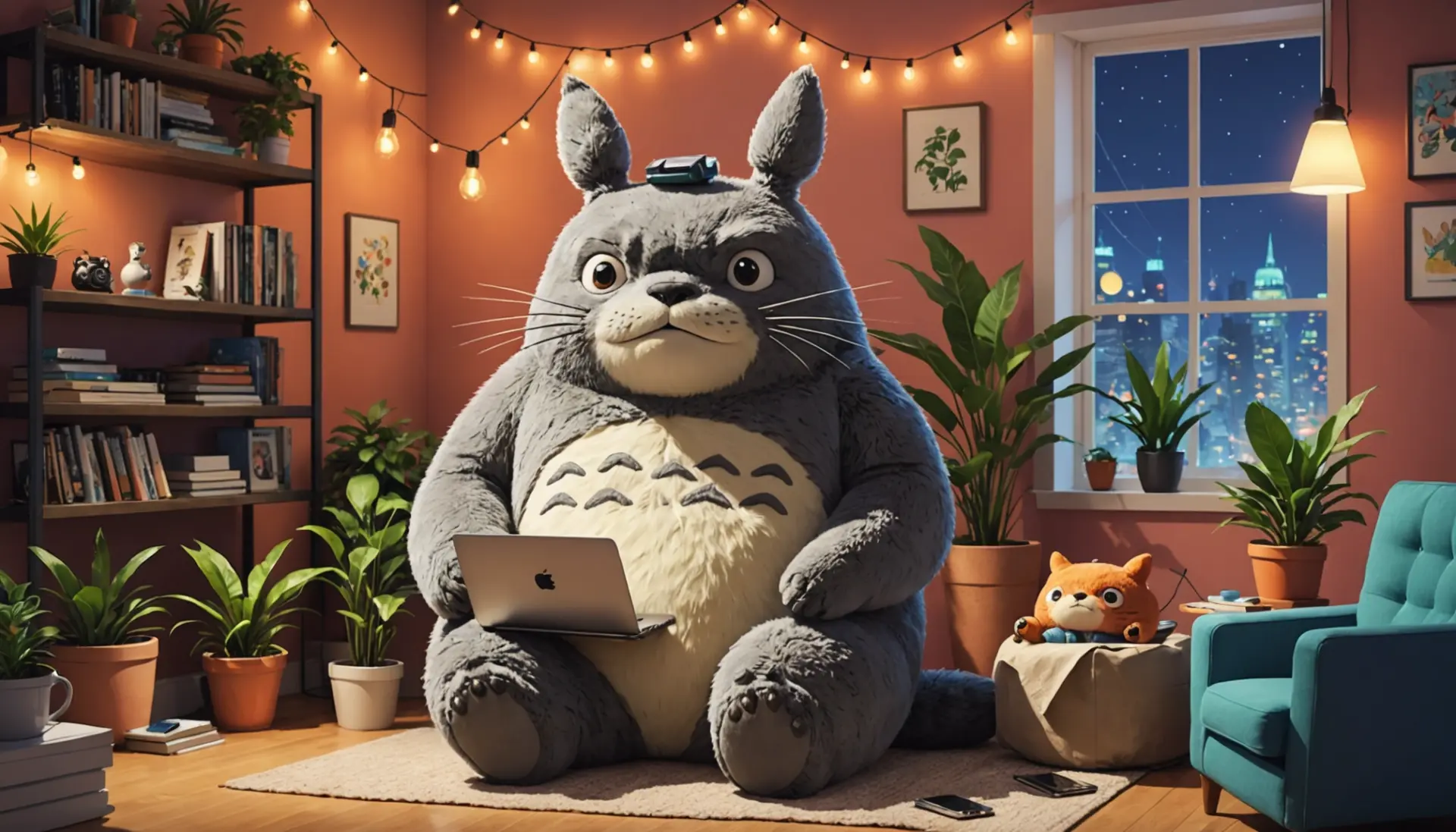

Totoro meaning slang: What the heck people mean when they say it
Totoro meaning slang shows up in chats and memes, and it does not just point to the Studio Ghibli creature. If you hear someone say “totoro” as slang, they might be doing a few different things, from calling something cute and cozy to joking about being a big, comforting presence. This post untangles where that usage comes from, how people actually use it online, and why the word keeps popping up in Gen Z corners of the internet.
Table of Contents
What Totoro Meaning Slang Actually Means
At its simplest, the totoro meaning slang usage borrows from the character Totoro in Hayao Miyazaki’s film My Neighbor Totoro, who is big, goofy, and protective. Online, people use the term to describe things that are comforting, soft, and slightly absurd. So when someone texts “she’s a totoro,” they might mean that person is warm, protective, and a little larger-than-life in a lovable way.
There is also a playful irony to the word. Sometimes totoro meaning slang is used for exaggerated self-description, like someone calling themselves the household Totoro because they make snacks and nap a lot. It can be affectionate, performative, or meme-y, depending on tone and context.
Origin of Totoro Meaning Slang
The origin of totoro meaning slang is obvious to film fans: the character Totoro is instantly recognizable thanks to Studio Ghibli’s 1988 classic. But the slang shift happened later, through fandoms and meme culture. People started using Totoro imagery and nicknames in fan art and cozy aesthetic posts, then the shorthand moved into captions, tweets, and DMs.
If you want a baseline reference on the character itself, the film page on Wikipedia is the go-to. For the meme angle, pages like Know Your Meme document how characters often slide into slang shorthand via viral posts.
How People Use Totoro Meaning Slang
Usage breaks into a few repeatable patterns. First, as a compliment: calling someone a totoro for being comforting or maternal, even if they’re not literally a parent. Second, as self-deprecating humor, like “me, the house totoro,” when someone wants to say they stay home and nurture. Third, as an aesthetic label, where people tag photos or playlists with totoro energy to signal cozy vibes.
Context is everything. If a friend texts “be my totoro tonight,” they might be flirting around the idea of being warm and safe. But if a stranger uses it aggressively, it could be mockery. Tone and relationship change meaning fast.
Real Examples of Totoro in Conversation
Below are real-feeling examples based on how the slang appears on social platforms. I pulled these from typical tweet and Discord patterns, not verbatim private messages, so you get the vibe without invading anyone’s DMs.
Friend 1: “Ugh long day, come over, I need a totoro to cuddle with.”
Friend 2: “I’ll bring tea, I’ll be your totoro.”
Group chat: “Who’s making dinner?”
Person: “I am. I’m the totoro of this household ngl.”
On a caption: “Outfit inspired by Totoro energy, fluffy and practical.”
These show how totoro meaning slang serves as shorthand for warmth, caretaking, and cozy vibes. It can be flirty, wholesome, or jokey, depending on context. See how flexible that is? One word, three tones.
Cultural Notes and Related Memes
Totoro as a figure has cultural weight beyond the movie. Studio Ghibli characters often become mascots for certain aesthetics, like “soft girl” or “cozycore.” Totoro meaning slang rides those trends. People remix Totoro into plushie culture, TikTok transitions, and even moodboard captions. It fits with the cottagecore and comfort culture vibes that show up in playlists and mood posts.
If you want to understand how words from media evolve into slang, look at how other characters have been repurposed online. For more linguistic context on slang terms entering popular use, Merriam-Webster has essays and entries on slang evolution and usage that are useful background reading: Merriam-Webster on slang.
How to Use Totoro Meaning Slang Without Being Weird
If you want to try the term in a message, be mindful of tone and your relationship to the person. Use it with friends who get the aesthetic references. Try playful examples first, like saying “I’ll be your totoro” in a convo with someone who knows Studio Ghibli. Avoid labeling someone without context, because what feels affectionate to you could feel presumptuous to them.
Another tip: match the platform. TikTok captions and Instagram bios tolerate quirky labels like totoro meaning slang more than professional texts. Keep it casual, light, and situational. If they reply with an emoji, you scored a win.
Further Reading and Links
Here are a few resources if you want to trace Totoro from classical film to internet shorthand. For the original film and character background, the Wikipedia article is detailed and accurate: My Neighbor Totoro on Wikipedia. For the way memes and characters get repurposed, Know Your Meme is a good catalog of how images and names trend. And for general slang theory and definitions, see Merriam-Webster’s discussion on slang at Merriam-Webster.
If you liked this guide, check related slang notes on the site, like delulu, how people flirt with words like rizz, or the history of other classic clips like bogart slang meaning.
Wrap-up: Why Totoro Meaning Slang Sticks
Totoro meaning slang sticks because it bundles nostalgia, comfort, and a touch of humor into one recognizable reference. People love shorthand that signals an entire mood without typing an essay. That makes totoro useful in DMs, captions, and memes.
So next time you see totoro used as slang, you can read it as a vibe check: are they being cozy, protective, or playfully self-aware? The answer will depend, but now you know how people are likely using the term.