



Intro
what does pancita mean is the first thing people type when they hear someone say “mi pancita” in a family chat or see it in an Instagram caption.
Okay so, pancita is small, cute, and layered with meaning depending on who says it and where they come from. Ngl, it feels cozy and slightly cheeky at the same time.
Table of Contents
What Does Pancita Mean? Quick Definition
Pancita literally comes from Spanish: it is the diminutive of panza, so what does pancita mean at its core? It means “little belly” or “small tummy.”
People use it when talking about an actual belly, like a baby bump, a chubby toddler, or even a pet’s soft belly. The “-ita” makes it affectionate and softer than simply saying “panza.”
If you want a dictionary-style reference, check a language resource like SpanishDict or the discussion threads on WordReference for native speaker nuance. For general linguistics about diminutives, see Wikipedia.
What Does Pancita Mean? How People Use It
Honestly, use depends on who is saying it. A parent might rub a sleeping toddler and whisper “mi pancita,” meaning the kid’s soft belly. A partner might say it to mean a cute tummy while being playful.
It also shows up as a pregnancy caption: people post a photo at 14 weeks and write “mi pancita creciendo,” which translates to “my little belly growing.” The tone there is proud and warm, not clinical.
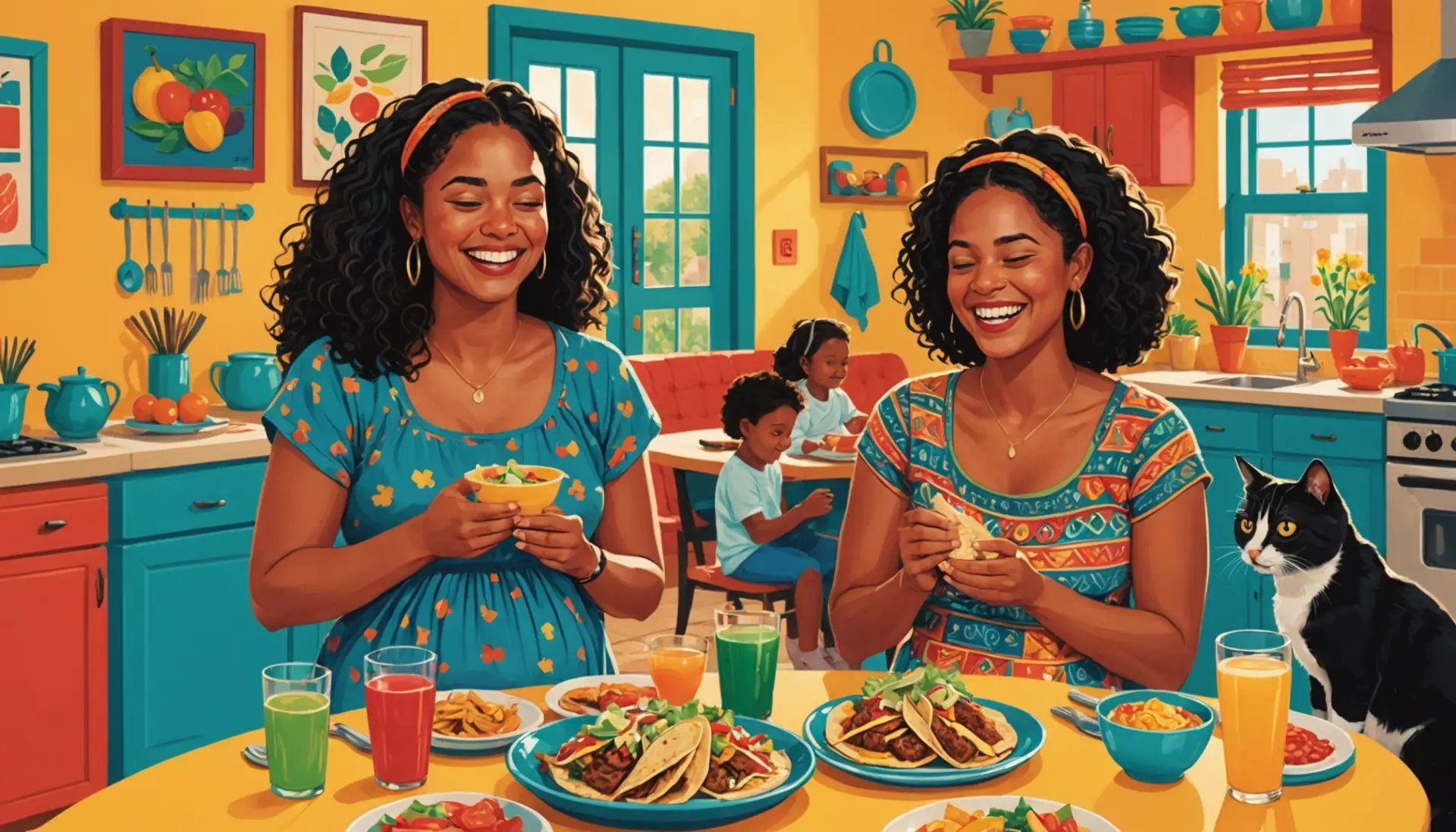
Sometimes it is used jokingly among friends. Like, after taco night someone might say “la pancita feliz,” channelling a food-coma vibe. So the phrase moves between body affection and food humor easily.
Regional Variations and Confusions
One reason folks ask what does pancita mean is regional overlap. In many Latin American countries, it is an everyday term of endearment. In Spain, people might use “barriguita” instead, but they get the idea.
Then there is the Philippines twist. You might hear people confuse “pancita” with “pancit,” which is a noodle dish. They sound alike, but they are totally different: pancit is a Filipino staple, not a tummy term.
So if you hear someone say pancita at a family table in Mexico, they probably mean a belly. If you hear something similar in Manila, double-check whether they mean dinner.
Pancita in Pop Culture and Social Media
Influencers and celebs often use pancita when a pregnancy is subtle and they want to be cute instead of clinical. You will see captions like “mi pancita 12 semanas” and a stream of heart emojis.
It also appears in memes and captions about food. After a viral mukbang or taco challenge, expect captions like “pancita llena” or “pancita feliz.” That meme energy is exactly why younger folks keep using it.
If you want to see how language shifts online, scroll family-centric Instagram posts or TikToks with pregnancy reveals. The tone gives you the social meaning faster than any textbook.
Is Pancita a Compliment or an Insult?
Short answer: mostly a compliment, but context matters. When a partner calls you “mi pancita” it is usually affectionate. When a stranger uses it to mock body shape, it can sting.
Language is power. The diminutive softens the term, but people with body image concerns might not love unexpected comments about their bellies. If you are unsure, ask or avoid physical commentary.
Want rules of thumb? Use it with people you know. Use it in family or friend circles where warm teasing is normal. Otherwise, keep it neutral.
Real Examples and Conversations
Here are real-feeling exchanges so you can see how pancita lands in chat.
A: “¿Te queda floja la camiseta?” B: “Nah, es mi pancita, la como con orgullo.”
That one is playful, owning the belly. Next one is pregnancy sweet.
A: “¿Estás segura que revelas la noticia así?” B: “Sí, miren mi pancita :)”
And a friend text after brunch:
“Taco night = pancita feliz. See you tomorrow for recovery coffee.”
These examples show pancita used as an affectionate noun, a playful self-aware label, and a food-coma punchline.
Linguistic Notes and Origins
Pancita is built like many Spanish diminutives: root plus “-ita.” That is why it sounds cozy. The root panza comes from Vulgar Latin, with similar cognates across Romance languages.
If you enjoy etymology, the diminutive pattern shows how Spanish speakers soften or make affection explicit. This is why there are lots of mini-terms for body parts that feel less aggressive than the base word.
Final Thoughts
If you were Googling what does pancita mean because a relative used it or you saw it online, now you can respond with confidence. It usually means a small or cute belly and acts as a term of affection.
Use it when you know the social context. Use it in captions, with pets, for tiny baby bumps, and after a satisfying meal. And now that you know, you can spot the difference between pancita and pancit without facepalming.
Want to read about other slang that overlaps cultures? Check out rizz, delulu, or bogart for more.