


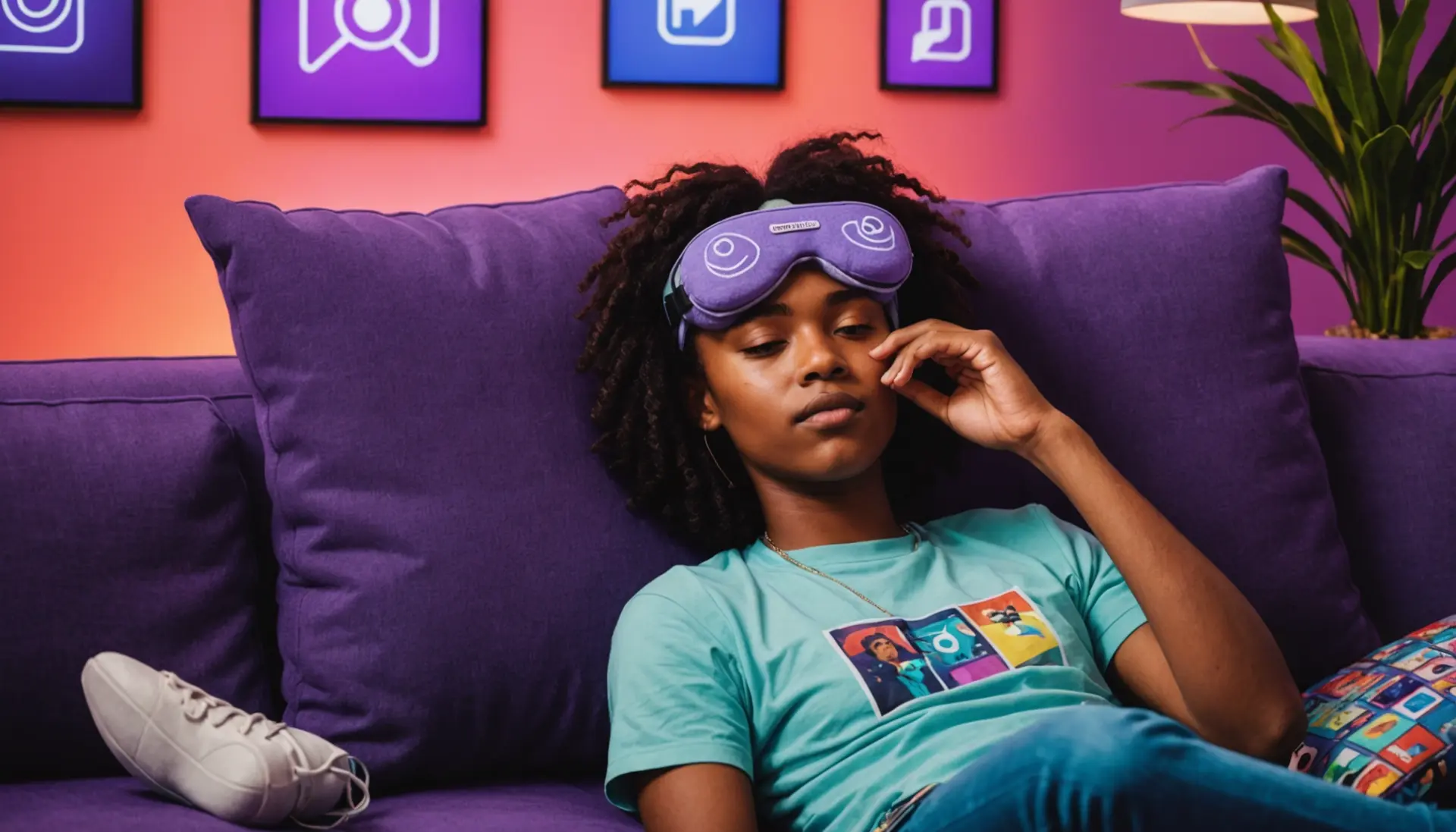

Intro: What This Post Covers
eye pillow slang is the phrase people have been using in chats and on TikTok to mean more than just the little lavender-filled mask your yoga teacher gives you. I know, it sounds niche. But language does this cute pivot thing where product names become feelings, and then feelings become nicknames. Here we unpack where the phrase came from, how people actually use it, and why you might start hearing it IRL.
Table of Contents
What “eye pillow slang” Means
When someone says eye pillow slang, they are usually not talking about the physical object. Instead they are using the phrase to describe a vibe: comforting, low-key intimate, and slightly curated for self-care. Think of it as shorthand for a small act that signals care, like handing someone a hot tea or tucking a blanket over their knees.
So the phrase has two related senses at once. One is literal, the weighted mask you put over your eyes during savasana. The other is figurative, an affectionate label for a person, gesture, or mood that conveys rest and trust. Both live in the same neighborhood of meaning, and context tells you which one’s on the sidewalk.
Origins and Product History That Led to the Slang
The literal eye pillow is older than the slang. You can read about sleep masks and similar eye coverings over on Wikipedia, which traces masks back to theatre and sleep aids. The object got a wellness rebrand in the past decade, with aromatherapy eye pillows becoming yoga-class staples.
Brands started selling lavender-filled, weighted eye pillows around the 2010s and then influencers posted them in cozy reels. That slow product culture moment is the literal seed from which the slang sprouted. For a basic definition of pillow-related terms, check Merriam-Webster.
How People Use “eye pillow slang” in Conversation
Most uses are affectionate or playful. Someone might call their partner an “eye pillow” if they make them feel calm and safe. Or a friend might say “you’re my eye pillow” after you binge-watch sad shows and let them cry on your shoulder. It’s cozy. Cute. Slightly meme-adjacent.
Other times the phrase is used ironically. Like when a celebrity posts a luxury brand shot and fans say, “Out here being an eye pillow,” meaning they are performing soothing energy for clout. That kind of wink happens a lot on TikTok and Twitter.
Real Examples and Dialogue
Examples help. Here are natural ways the term shows up in chat and captions. These are based on real-style lines people have actually used online.
Text from a friend: “ngl you were my eye pillow last night, thanks for staying up with me.”
Caption under a cozy reel: “Bought this lavender set, instant eye pillow energy.”
DM to a partner: “Stop being such an eye pillow, you make me cry every time I talk abt my day.”
Those three show the main tones: gratitude, aesthetic talk, and teasing intimacy. You will see it both as noun and as a mood tag.
Cultural Significance and Why “eye pillow slang” Stuck
This slang hit because of two big cultural moves. One is the huge rise of micro-self-care aesthetics online. The other is Gen Z’s taste for renaming feelings after objects, like how “rizz” redefined charm. See our deep dive on rizz if you want context on how short slang terms explode.
Also, cozy culture, from cottagecore to hygge-style reels, normalizes talking about comfort as identity. Eye pillow slang captures that: it compresses a whole comfort narrative into a cute, sharable phrase. That makes it ripe for captions, merch, and fandom uses.
Brands, Trends, and the Market
Once a phrase is catchy, brands rush in. You’ll spot companies naming kits “eye pillow kits” to sell a vibe. This is a normal path: product becomes mood, mood becomes market. Watch for influencer collabs that lean into the language and sanitize the slang for ad copy.
On platforms that catalog internet trends, you can trace similar moments. For broader meme tracking, sites like Know Your Meme are handy, though “eye pillow slang” is currently more of a niche wellness-to-mood shift than a full-blown meme. Still, if the phrase goes viral, expect it to show up there fast.
When the Term Gets Messy
There are a few annoying directions this can go. One is commodification, when brands strip away empathy and sell the term as an aesthetic without supporting the community that popularized it. Another is gatekeeping, where people insist only certain behaviors count as “eye pillow energy.”
My hot take, honestly: let people use it. Language evolves through messy social stuff. But call out performative or extractive uses when creators profit off a vibe they did not help build.
Final Takeaway: Should You Say It?
If you want to use eye pillow slang, go ahead. Use it when someone genuinely makes you feel calm, or when you are captioning cozy content. Use it playfully. Avoid weaponizing it to gatekeep feelings or to sell wellness without substance.
And if you hear it in a caption and think it’s product placement, you are not wrong. That is the language’s lifecycle. Want to keep exploring current slang? Check our piece on older classics like bogart and see how language recycles objects into attitudes.
Further Reading and Sources
For the literal object: Sleep mask on Wikipedia. For word definitions: Merriam-Webster. For tracking meme spread: Know Your Meme.