


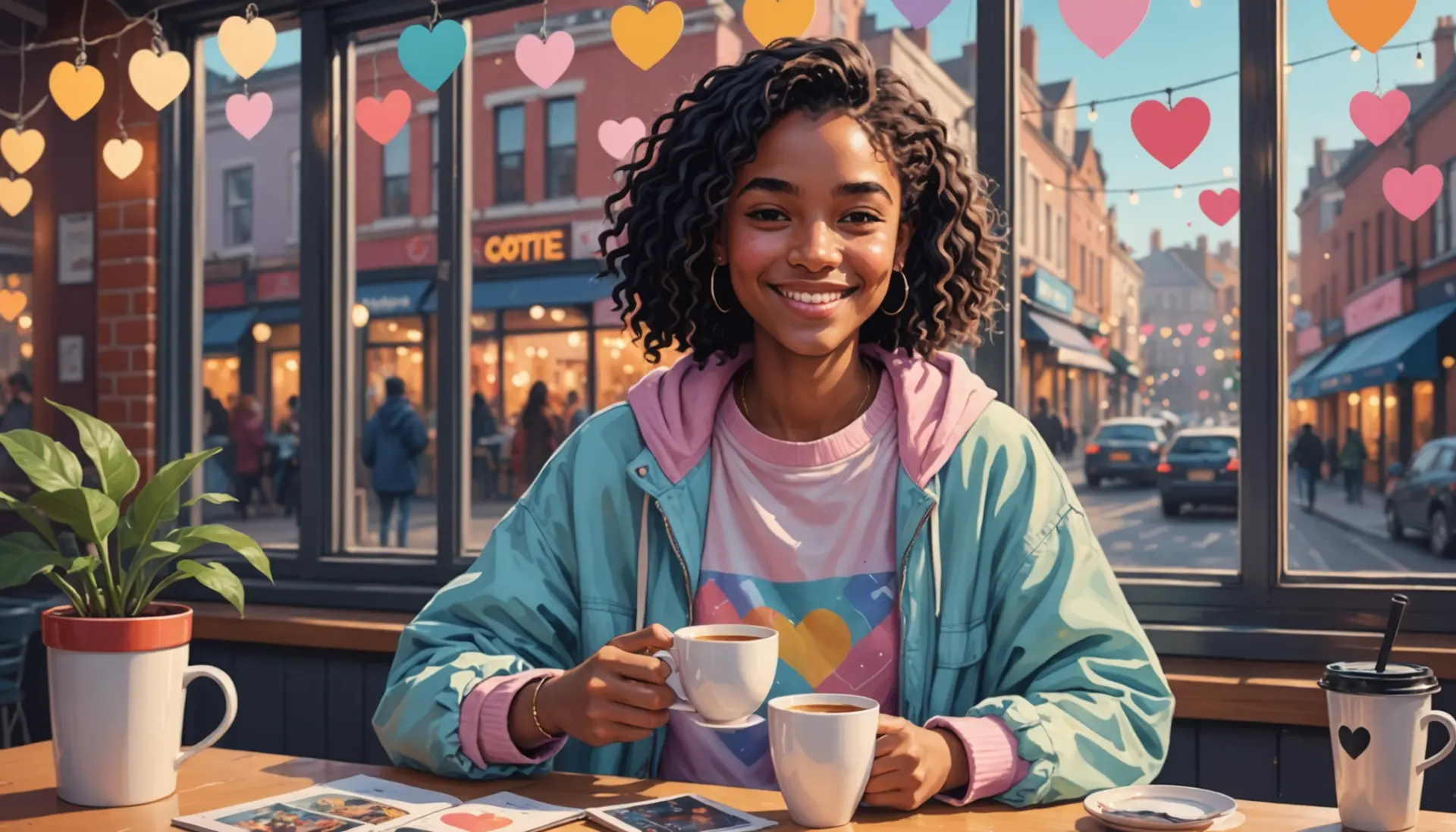

softie slang meaning has softened over decades, moving from a mild insult to a warm compliment for people who openly show kindness and sentimentality.
Honestly, the word travels different paths depending on who is using it: your grandma, a guy on TikTok, or someone subtweeting a crush. It lives in playlists, aesthetics, and DMs now.
Table of Contents
Softie Slang Meaning: Definition and Origins
At its core, softie slang meaning describes someone who is emotionally open, sentimental, or kind in a way that feels tender rather than brittle. The base word softie has been around for a long time, listed in dictionaries as someone easily affected by emotion or kindness.
You can check a classic dictionary take on the term at Merriam-Webster, which shows the older, slightly derogatory edge of the word. But language changes fast, and the slang sense now often reads as affectionate.
Short History
The route from insult to compliment is familiar. In midcentury speech a softie might have been dismissed as weak. By the 2010s and 2020s, social media and youth subcultures reclaimed “soft” styles as desirable.
Tumblr and early Twitter fed the aesthetic, then TikTok amplified it with the soft girl and soft boy trends. For a quick meme-history refresher, Know Your Meme tracks how the soft boy concept crystallized online.
Softie Slang Meaning: How People Use It Today
People use the phrase casually: sometimes flirty, sometimes protective, sometimes teasing. If someone texts “you’re a total softie,” it can mean you cried at a movie, brought soup to a friend, or sent a long voice note when you were worried.
It also shows up as an identity badge. Someone might say “softie hours” to mean they are embracing cozy feelings, or call themselves a softie to signal emotional availability. The meaning is flexible and context heavy.
Real Examples
Here are real-feeling lines you might see in group chats, captions, or IRL banter. Notice how tone changes the meaning.
“He brought her hoodie back and left a note. What a softie lol.”
“I’m such a softie for acoustic covers and rainy day coffee.”
“Don’t be a softie, man.”
See how the first two are warm and admiring, while the last is a push to be tougher. Context flips the vibe.
Softie in Pop Culture and Aesthetics
The “soft” aesthetic shows up in playlists, fashion, and celeb vibes. Think acoustic-era Frank Ocean, gentle indie playlists, or Harry Styles in pastel suits making a statement with softness. Pop culture rewarded vulnerability in the 2010s and 2020s, so being a softie stopped being a social liability.
TikTok trends like the soft girl, and the way male influencers adopted non-toxic vulnerability, made softie slang meaning part of identity marketing. Musicians, actors, and influencers using earnest vulnerability on interviews and socials pushed the term into mainstream acceptance.
Related Terms and Contrast
Softie sits near a cluster of slang: soft, softboy, softgirl, and yes, simp. Each has its own baggage. “Softboy” can be performative, a persona that looks sensitive but is manipulative, while “softie” usually lacks that cynical edge.
If you want a deeper read on neighboring terms, check out these related pages: soft boy slang meaning and soft girl slang meaning. Also, explore how sentimental language ties to culture on Wikipedia.
Wrap-up
So, softie slang meaning now carries more warmth than shame. It signals someone who feels, shows care, and sometimes cuddles a little too hard with their feelings. That’s not weak. It’s chosen softness.
Want to use it without awkward energy? Try it where tone is clear. Say “you’re a softie” to someone who does kind things and mean it. Say it jokingly with friends who know the code. Context always matters.
Further reading and sources
For formal definitions and etymology, see Merriam-Webster’s entry. For how the online meme culture shaped related labels, Know Your Meme on Soft Boy is useful. And if you want to trace emotional language academically, Wikipedia’s sentimentality page is a reasonable start.