


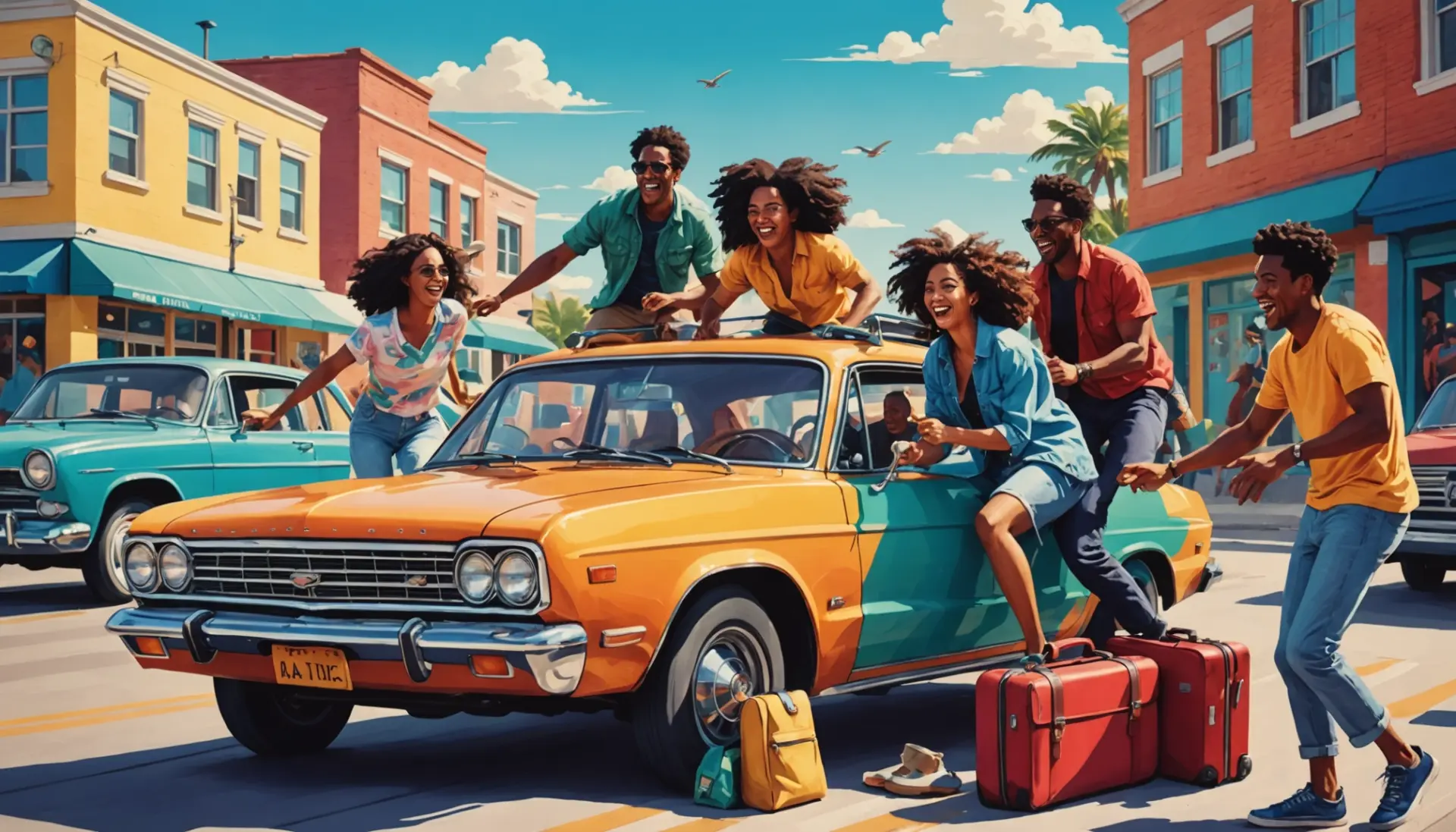

Introduction
Weekend slang meaning is surprisingly flexible, and yeah, it changes depending on who you follow on Instagram or TikTok. People use “weekend” as a simple noun, as a verb, as a vibe tag, and sometimes as a full identity. This piece is about what people actually mean when they text “we’re weekending” or post “weekend vibes,” why it matters culturally, and how to use it without sounding like an influencer bot.
Table of Contents
Weekend Slang Meaning: What It Actually Means
At its core, the weekend slang meaning is built on that two-day holiness most adults guard jealously: Saturday and Sunday. But in slang land, “weekend” became shorthand for leisure, low-effort partying, short trips, and curated downtime. So when someone says “weekending,” they are usually saying they are doing something specifically because the calendar allows it.
Think of it like this: weekdays are productivity, weekends are permission slips. People will announce “I’m weekending” to signal a mood, a plan, or a departure from routine. It’s casual, and often performative, especially on social apps.
Weekend Slang Meaning: Examples and How People Say It
The way people actually use the phrase varies by platform. On Instagram you will see captions like “weekend vibes 🌊” under a beach photo. On Twitter or X it can be more literal: “We weekended in Asheville, 10/10 recommend.” On TikTok, there are whole microgenres of clips tagged #weekending showing A to Z of short trips or chill home routines.
That performative angle matters. Saying “we’re weekending” can be a humble flex. It implies you have the time, the money, or the contacts to do something not just productive. It can also be a mood label, like “weekend energy,” meaning a switch to looser social norms and more indulgence.
Verbs, Phrases, and Variations
One verb form you will encounter is “to weekend,” as in “We weekended at the lake.” This is casual and common in travel writing or lifestyle posts. Then there is “weekend warrior,” an older phrase for someone who crams hobbies and intense activities into the weekend. You also get modifiers: “quiet weekend,” “rager weekend,” “self-care weekend.”
People combine it with other slang. Example: “Lowkey weekending, not flexing but we snuck away.” Or “ngl, weekend energy is unmatched.” Those little tags signal tone: humble, cocky, chill, or dramatic.
Real Conversation Examples
Example texts help more than definitions. Here are authentic-feeling lines you might read or hear.
Friend A: “You busy Saturday?”
Friend B: “Nah, we weekending in the burbs. Wanna come?”
Group chat: “Plan: brunch, small hike, rooftop. Lowkey weekend but big vibes.”
Instagram caption: “Weekend vibes with my day ones. No phones, just sunlight.”
Notice how the phrase shifts slightly depending on context. In the first text it is literal travel. In the group chat it is a tone setter. In the caption it is mood branding. All are acceptable uses of weekend slang meaning in modern speech.
Cultural Notes and Related Trends
Why did “weekend” become slangy? Social media culture and post-pandemic changes to work-life rhythms pushed it forward. Remote work blurred weekday/weekend lines, so weekends became something you had to signal. Brands jumped on that, selling itineraries, “weekend getaway” packages, and playlists for the occasion.
Also, pop culture plays with the idea. People confuse the slang “weekend” with the stage name The Weeknd, which is a frequent joke online. Remember when The Weeknd dominated charts with “Blinding Lights” and meme edits about 80s vibes? That fed into casual references and puns. For historical basics see Wikipedia on Weekend and for dictionary definitions visit Merriam-Webster. For more street-level takes try Urban Dictionary on weekending.
Quick Dos and Don’ts
Do use “weekending” when you actually mean short leisure trips or a vibe. Use it in casual conversation, social captions, and group chats. It reads natural and modern.
Don’t overdo it in formal settings. You probably shouldn’t write “we weekended” in a work report. Also, avoid using it to humble-brag about consumption in circles where that lands poorly. Tone matters.
Related Slang and Internal Reads
If you want to branch out, look at related terms like “rizz,” “bogart,” or “periodt” to see how slang gets clipped and repurposed. We wrote on those too, for context and good vibes: rizz slang meaning, bogart slang meaning, and periodt slang meaning. These pieces can show you patterns in how English evolves in short-form content.
Sources and Further Reading
For a neutral background on what a weekend is, and how it functions in calendars and labor history, check the Wikipedia page I mentioned earlier. For the straight-up dictionary angle see Merriam-Webster. For how people actually use new forms like “weekending,” Urban Dictionary and social platforms give real examples and timestamps.
Parting thought: slang will keep playing with the term. Maybe in a few years “weekend” will mean something we cannot predict. For now, use it to signal chill, plans, or a gentle flex. Works every time.