



What Does Largo Mean? Quick Answer
what does largo mean is a question that pops up a lot when people hear the word in music, Spanish, or random online mentions. At its core, largo usually means “slow” or “broad” in music, and “long” in Spanish. But it also shows up as a place name, a surname, and even in casual speech when people borrow the word for flair. So yes, it wears a few hats.
Table of Contents
What Does Largo Mean? Origins and Etymology
The word largo comes from Italian and Spanish roots, and historically it meant “long” or “broad.” In music it was adopted from Italian, where composers used it as a tempo marking to tell musicians to play very slowly and with a wide, relaxed feeling. Linguistically, the family tree goes back to Latin and into Romance languages, so the overlap across contexts makes sense.
If you want the dry dictionary stuff, Merriam-Webster has the simple definitions, and Wikipedia covers the musical history in more detail. I like the way both sources make the split clear: musical, descriptive, and geographic uses coexist.
Sources you can check: Merriam-Webster largo and Wikipedia on Largo (music).
Musical Meaning: The Slow, Big Moment
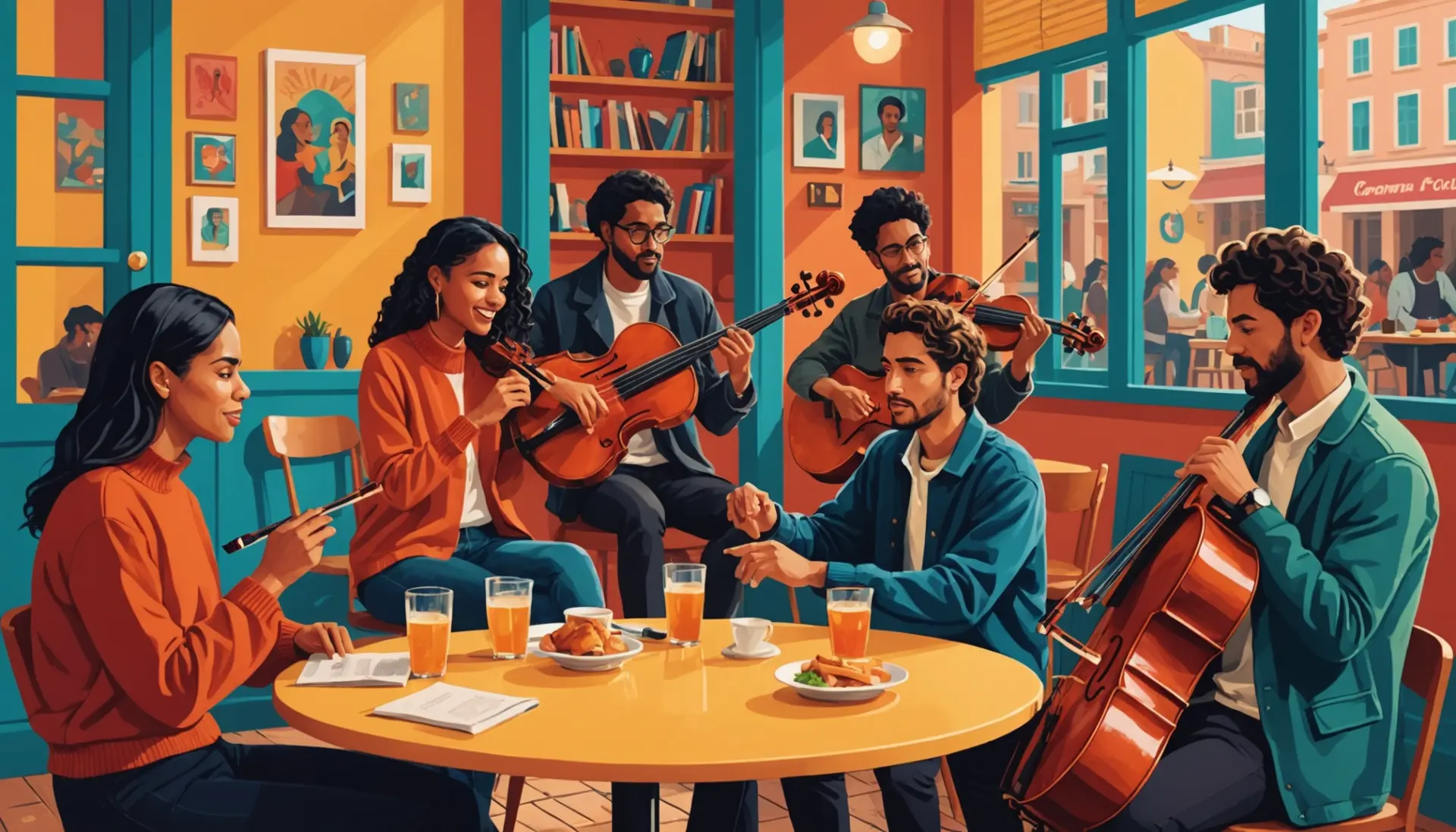
In classical music, largo is a tempo marking telling players to take it slow. Not slow like a lazy walk, but slow and expansive, with room to breathe. You hear it on older recordings where a movement is labeled “Largo,” and the conductor stretches phrases out so every note sings.
Think of Handel’s famous adagio often called “Largo” in popular culture. That piece got repurposed in movies and commercials, and it shaped how modern listeners imagine the word: slow, solemn, and a little majestic. For more context on musical uses, the Wikipedia article is solid and readable.
Spanish and Everyday Uses
In Spanish, largo literally means “long.” It can describe physical length, like “un vestido largo,” or time, like “un discurso largo.” It is very common in everyday Spanish and not slang at all there. The tone is plain, not poetic, but it can sound dramatic in the right sentence.
Spanish learners often mix up largo and alto or largo and largo as in “largo plazo,” which means long term. For translations and conjugation nuances, SpanishDict is a nice quick reference.
Slang and Modern Uses: Is It Street Talk?
Short answer: not really, at least not in mainstream English. The phrase what does largo mean often comes from people who hear it in songs, on TV, or in social posts and want a quick explainer. English speakers sometimes borrow foreign words for style. You see that online when users appropriate words as mood tags or quirky captions.
That said, names and brands use Largo as a proper noun. There is Largo, Florida, and famous characters named Largo in comics and films. When you see Largo used as a nickname or handle, context is everything. It stops meaning “long” and becomes identity or aesthetic instead.
If you wanted a meme source, know that “largo” itself has not become a major meme like “rizz” or “cheugy,” but people do trend older classical pieces labeled largo during nostalgic TikTok edits. For meme context, Know Your Meme is the place to browse viral patterns, though it may not have a single entry for this word.
Real Examples and Conversations
I always find examples help. Here are realistic ways you might hear what does largo mean and how people reply, honest and unfiltered.
Text chat: “Can you set the tempo to largo for this track?” Reply: “Yeah, so like 40-60 BPM, really slow and dramatic.”
On a date: “I like songs that are largo.” Reply: “So you like the moody slow stuff, got it.”
Spanish convo: “Ese vestido es muy largo.” Reply: “Claro, es largo y llega hasta los tobillos.”
See? Musical, descriptive, and literal Spanish. You might also see it as slang-adjacent: “That vibe is largo,” used by someone trying to sound artsy. That is more personal slang than dictionary meaning, a flex of language play rather than a new definition.
Takeaway: How to Use It
If you need a short rule when someone asks what does largo mean, here it is: in music, slow; in Spanish, long; otherwise, it could be a name or aesthetic choice. Use it carefully in English unless you are quoting music or speaking Spanish. It looks cool, but context saves you from sounding confused.
Want to flip it into a sentence? Try: “Play the second movement largo, please,” or in Spanish, “Ese pasillo es muy largo.” Both are correct and clear. And if you are trying to be trendy, check the scene first so you do not accidentally invent slang that nobody else uses.
For related slang explainers, you might enjoy our take on rizz slang meaning or why people say delulu meaning. If you are into classic slang deep dives, check bogart slang meaning too.
Finally, if you want the precise definitions side-by-side, Merriam-Webster is a tidy source and Wikipedia has deeper musical background: Merriam-Webster largo, Largo on Wikipedia. Spanish sense? See SpanishDict largo.