



Introduction
The phrase salon meaning slang pops up more than you might expect, and people use it to ask whether “salon” is just a hair place or something richer, cooler, weirder. Honestly, the word has been carrying different vibes for centuries, and the slang uses today are a mashup of history, community spaces, and online drama. Okay so let me walk you through where that usage comes from, how people actually say it, and why it matters when someone texts “we’re having a salon tonight.”
Table of Contents
salon meaning slang: Origin and History
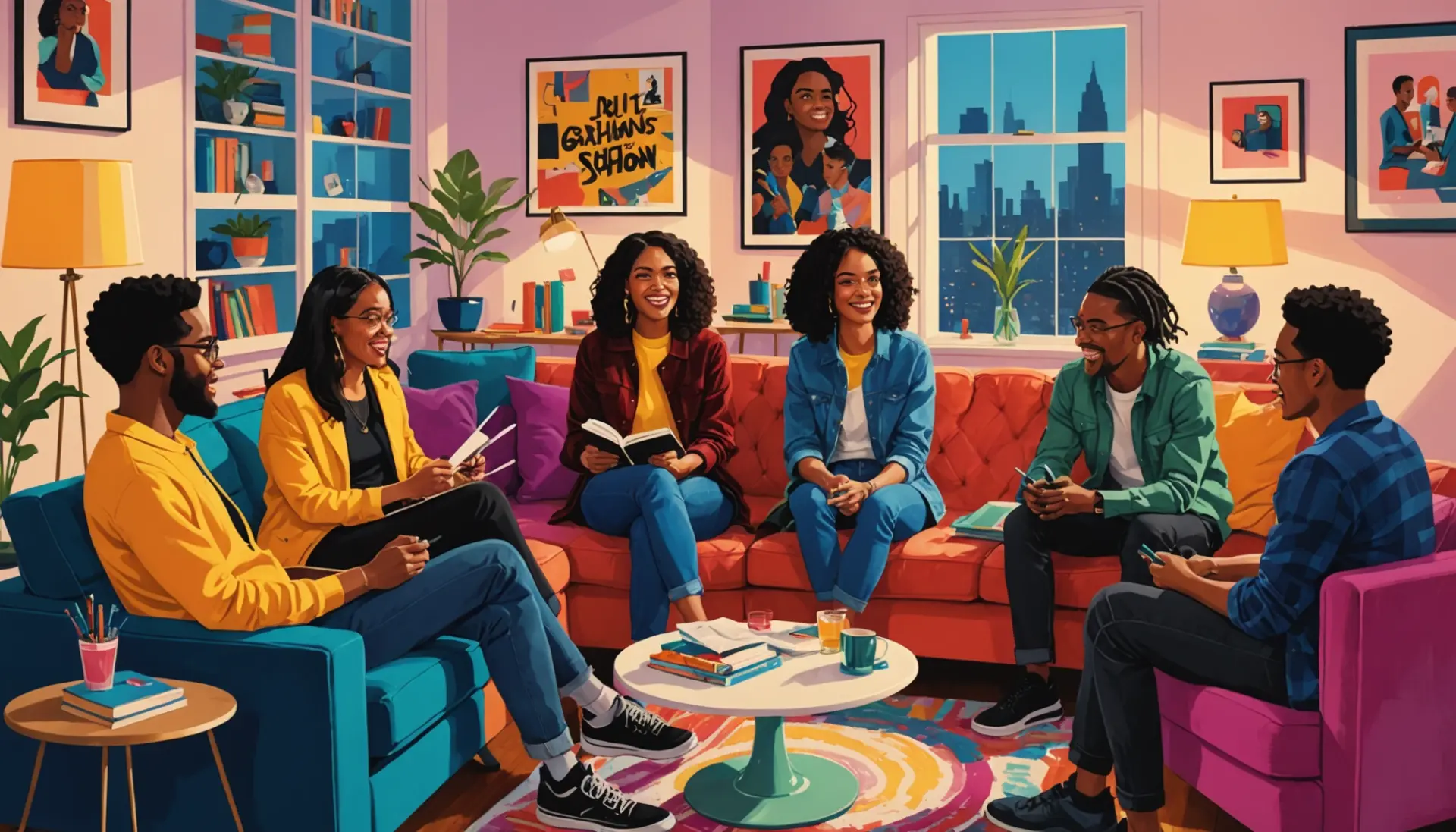
If you trace the salon meaning slang back in time, you hit 17th and 18th century Europe where salons were literal drawing rooms for writers, thinkers, artists, and the occasional aristocrat. These were curated spaces for conversation, critique, and gossip, often hosted by women who ran the cultural table, literally shaping taste. For more on the historical salon, check out this Wikipedia entry which lays out the classical picture.
Fast forward to modern English and the word picked up salon as a place-based meaning, like a hair or beauty salon, recorded by dictionaries such as Merriam-Webster. But people kept the older cultural sense alive, and that is where slang grew from: salon as a curated conversation, safe harbor, or dramatic showdown. Think intimate chatter, not a hairdryer.
salon meaning slang: Modern Usage and Subcultures
Today the salon meaning slang shows up in a few predictable pockets. One, academic and literary types use it ironically to describe Twitter threads or Clubhouse rooms that feel like curated salons. Two, community spaces like Black hair salons, queer meetup spots, and drag scenes treat the salon as cultural HQ, a place of advice and gossip and survival. Three, on TikTok and Discord, “salon” sometimes means a moderated chat that aims for depth rather than clout chasing.
Those three tracks mingle. When a Twitter user types “We’re doing a salon on queer aesthetics,” they might mean a short, intense discussion. When someone texts “meet me at the salon,” context determines whether they actually need a haircut or just tea. The duality is what makes the slang sticky.
How People Use “salon” in Conversation
People use the salon meaning slang casually and with a wink. Example: “Slide into the salon thread, we’re hashing out the album.” That says: come join a focused, possibly opinionated conversation. Another: “My aunties turned that salon into a therapy session, ngl.” That one signals the hairdresser space doing emotional labor beyond trims.
It’s also used sarcastically. Someone might post a messy screenshot of drama and caption it “Salon energy,” meaning the scene has all the gossip and performance of a literal salon. You’ll hear it on podcasts, in DMs, and yes, clutching a latte in group chats. The tone can be warm, pointed, or theatrical.
Real Examples and Memes
Here are realistic lines you might actually read or hear. Put them in speech marks if you’re quoting, or paste them in a caption. “We had a salon about the new Kendrick album last night.” “Salon tonight at 9, bring receipts.” “Why is every influencer hosting a salon now?” Each instance uses the salon meaning slang to compress context into a single, recognizable vibe.
Meme culture loves this usage. A viral tweet might pair a clip of a messy reality TV fight with the caption “Salon: come for the lies, stay for the drama.” That kind of meme borrows the historical salon idea and amplifies the drama. If you want a primer on how words evolve online, checking language trend pages helps, such as Know Your Meme or similar trackers.
Related Slang and Where to Learn More
Salon’s slang cousins include “tea” for gossip, “reading” in drag culture, and “space” as in a safe space for conversation. If you like how salon condenses social nuance, you might enjoy learning about words like rizz or delulu, which do similar social compression. For those, see rizz and delulu on SlangSphere.
For deeper history, the origins of salon gatherings are covered well in academic and encyclopedia entries. If you want a dictionary take, Merriam-Webster is reliable. For cultural context, Wikipedia and essays on salons in Black and queer communities provide richer narratives. Here’s a straightforward history link again: Salon (gathering) on Wikipedia.
Conclusion
So when someone Googles salon meaning slang, they’re usually asking where the conversational sense comes from and how to use it without sounding awkward. Use it to signal an intimate, curated talk or to joke about a dramatic gossip session. It’s flexible and social, and honestly, a cute little linguistic nod to centuries of people hosting one another’s ideas and feelings.
If you want to see examples in real posts, scroll through Twitter threads or Clubhouse recaps and watch how the word moves. Also, if you love language weirdness like this, check SlangSphere’s coverage of similar terms, and keep using words with intention. Language is a salon of its own, messy and brilliant and loud.
Quick recap: salon meaning slang usually equals a curated chat, a community hub, or a dramatic gossip arena, depending on who’s speaking and where.
Further reading: Merriam-Webster on salon, Salon history on Wikipedia.