


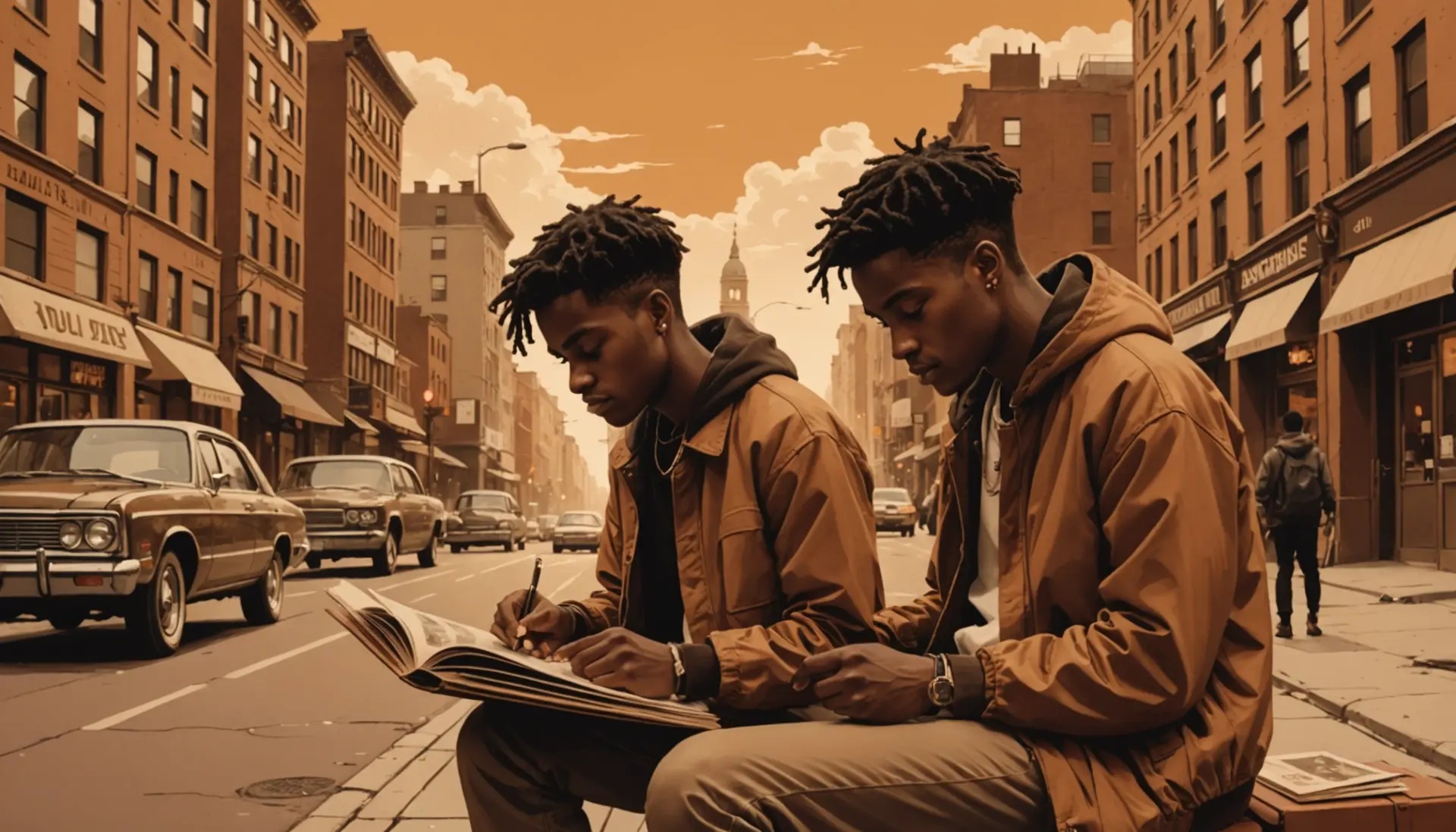

What Does Sepia Mean: Quick Definition
what does sepia mean is a question people ping me about all the time when they see that warm, brownish filter on Instagram or an old family photo on the fridge.
At its simplest, sepia is a brown pigment and a photographic tone used to make black and white images look warm and aged. People also use sepia as an adjective to describe a nostalgic, vintage mood in photos, videos, and aesthetics.
Table of Contents
What Does Sepia Mean: Origins and History
The term comes from Latin and Greek words for cuttlefish, because sepia pigment was originally made from the ink of cuttlefish, a messy but useful source of rich brown dye. Photographers in the 19th century discovered that chemically toning prints with sepia made them more archival and gave them that warm brown cast.
Those sepia-toned prints became shorthand for memory and the past. Museums and archives still show sepia prints when they want a subject to feel older, and fashion and film riff on that look to give scenes a classical, wistful vibe.
What Does Sepia Mean in Slang and Aesthetic Use
Online, sepia slipped from a literal color description into an aesthetic shorthand. When someone says a feed or a playlist is “totally sepia,” they mean it feels nostalgic, warm, slightly melancholic, like something you would find scrolled through on a rainy afternoon.
So when you ask what does sepia mean in an internet chat, expect answers that blend color and mood: it is both a tint and a vibe. Creators tag posts with sepia to signal retro energy, romantic sorrow, or curated memory play.
Examples: How People Say Sepia in Conversation
Here are real-sounding exchanges you might overhear or see in captions. They are short, natural, and useful.
Friend A: “Why is your feed full of brown photos?”
Friend B: “Trying the sepia look, ngl it makes everything feel like a quiet movie.”
Colleague: “That portrait has amazing tones.”
You: “Yeah it’s got sepia energy, super vintage.”
Another, more playful usage: “I was scrolling old pics and got so sepia about summer ’19.” That one uses sepia as an emotional state, not just a color filter.
How to Use Sepia Without Sounding Weird
If you want to talk about sepia, keep it casual. Say “sepia filter” when discussing photo edits, or “sepia vibes” when you mean nostalgic mood. People will understand you either way, but context matters.
Avoid overusing it like a hashtag crutch. Instead, pair sepia with specifics: “sepia tones on this portrait make it feel like grandma’s album.” That paints an image and feels less like slang theater.
Cultural Notes and Related Terms
Sepia intersects with other aesthetic words like “vintage,” “retro,” and “warm-toned.” But sepia implies a particular brown wash and emotional texture. Think more autumnal, less neon or pastel.
If you want to read a proper definition or the pigment history, check reliable sources like Wikipedia on sepia and the Merriam-Webster entry. For a deeper art-historical take, Britannica gives a solid overview.
And if you are mixing sepia talk into slang research, you might enjoy our takes on related vibe terms at Vintage Vibes and Aesthetic Slang. We also cover filters and mood-talk over at Filter Talk.
Final note: when someone asks what does sepia mean, they are often asking two questions at once: what is the color, and what feeling does it carry. Both answers matter if you want to use the word like a person who actually lives on social apps.
So, next time you want to caption a photo with a wistful tone, call it sepia and mean it. People will get it. Honest.