


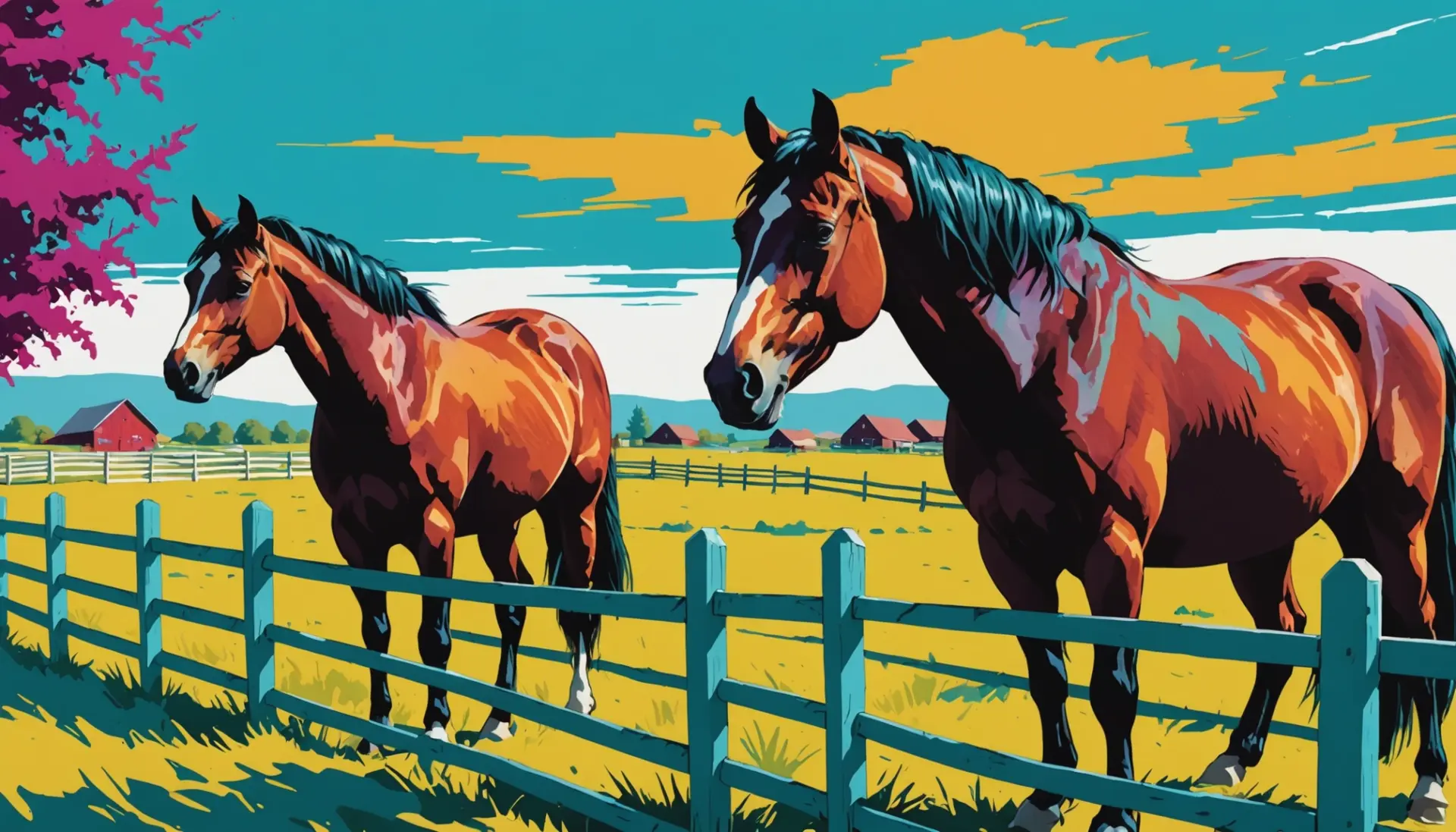

What Does Buddy Sour Mean in Horses? Quick Definition
what does buddy sour mean in horses is a question riders ask when a horse acts up the moment you try to separate it from a pasture mate. In plain language, buddy sour describes a horse that becomes anxious, balky, or downright stubborn when it is away from its preferred companion. This is a behavior rooted in herd instincts, but it shows up in barn life and competition in ways that can be frustrating or dangerous.
Table of Contents
What Does Buddy Sour Mean in Horses? Signs and Behavior
A buddy sour horse will often refuse to load into a trailer unless its buddy is already on board, or it may pin itself at the gate and call out when you try to move it away from the paddock. Other signs include pawing, pacing, refusing to be caught, sudden spookiness when alone, and a general drop in responsiveness when separated from the friend. Some horses get vocal, some sulk, and some escalate to dangerous bolting if you force separation.
Why a Horse Becomes Buddy Sour
Horses are herd animals, so strong social bonds are normal. When one horse develops an unusually tight attachment to another, separation can trigger stress that looks like misbehavior. Past experiences matter: a horse that was separated abruptly, lost a companion, or had a scary trailer ride alone could become buddy sour after that. Training gaps and reinforcement play a part too, because if a horse learned that balking gets it back to its friend, the behavior will stick.
Training Fixes and Management
Fixing buddy sour behavior takes patience, and there are no magic overnight cures. Start with small, controlled separations so the horse learns that alone is safe and sometimes even better. Reward calm behavior, practice loading and unloading with short solo runs, and gradually extend time apart. Counter-conditioning, where you replace anxiety with positive associations like treats or quiet grooming, helps a lot.
Some riders use companion animals, like a calm goat or a quiet gelding, to ease the transition. Others enroll in a desensitization program with a professional trainer who can read the horse and handle escalation safely. The key is consistency: random reinforcement makes buddy sour worse, because the horse never learns that being alone is normal.
Real Conversation Examples
Here are realistic ways people actually talk about this, so you can hear the slang in context. Imagine a lesson barn pickup:
“My mare’s totally buddy sour, she wouldn’t get in the trailer without Belle. Had to bribe her with a carrot and a 10-minute warm-up.”
“He’s buddy sour to the turnout buddy, so when we separate them for the show he paces and won’t eat. We worked on short separations and it’s getting better.”
“Don’t worry if your pony’s buddy sour, start with taking him across the arena alone for ten minutes and bring him back. Small wins.”
Safety, Vet Checks, and When to Call a Trainer
Buddy sour behavior can be dangerous. A horse that bolts to reunite with a companion can injure itself or a handler. Always rule out pain first, because an otherwise docile horse that suddenly becomes clingy could be uncomfortable or ill. A quick vet exam will check teeth, saddle fit, and lameness.
If the horse is repeatedly refusing trailers, rearing, or running through fences, hire a professional. Trainers who specialize in separation issues or trailer-loading techniques have tools and controlled environments to help. Safety first, always: gloves, a helmet, and a plan are non-negotiable when dealing with a panicked or reactive animal.
Buddy Sour in Barn Culture and Slang
In barns, people slide between clinical terms and slang without missing a beat. You will hear “barn sour” thrown around a lot, which is a close cousin to buddy sour but usually means the horse prefers the barn itself. “Buddy sour” is more specific: it highlights the social attachment to one particular horse. Riders share stories on forums, swap tips in tack rooms, and meme the chaos. Remember that the term is mainly practical, not insulting, though it can be used teasingly.
So why does the phrase stick? It captures a common, relatable problem in two words. Short, accurate, a little bit cheeky. Kind of perfect for barn banter, honestly.
Extra Reading and References
Want to learn more about herd dynamics and horse behavior? This Horse behavior page is a solid primer on the basics. For more on separation-related stress in animals, see the general Separation anxiety entry, which explains the stress mechanisms that also apply to horses.
And if you want to compare slang and related barn terms, check out our pages on barn sour and herd bound on SlangSphere.
Final Thoughts on Buddy Sour Behavior
So, what does buddy sour mean in horses? It means a social, sometimes stressful, sometimes dangerous attachment to a particular pasture mate that shows up when separation happens. Fixes exist, but they take time and consistent reinforcement. Don’t let embarrassment stop you from asking for help; everyone in the barn has a buddy sore horse story.
If you want practical next steps: get a vet check, design short separations, reward calm, and call a pro if things escalate. With steady work, most buddy sour horses can learn that being alone is not the end of the world. Progress happens one calm ride at a time.