



What Does Romping Mean? Quick Intro
what does romping mean is the first question people type when they hear someone say a friend was “romping around” or that a team had a “romping win.” The phrase pops up in everyday speech, from playgrounds to tabloids, and it carries different vibes depending on who is using it.
Okay so this guide will unpack the usual meanings, the slang usage, how people actually say it in conversation, and why context changes everything. I promise no dry dictionary energy, just a real talk explanation like I would tell a friend over coffee.
Table of Contents
What Does Romping Mean? Definition and Origins
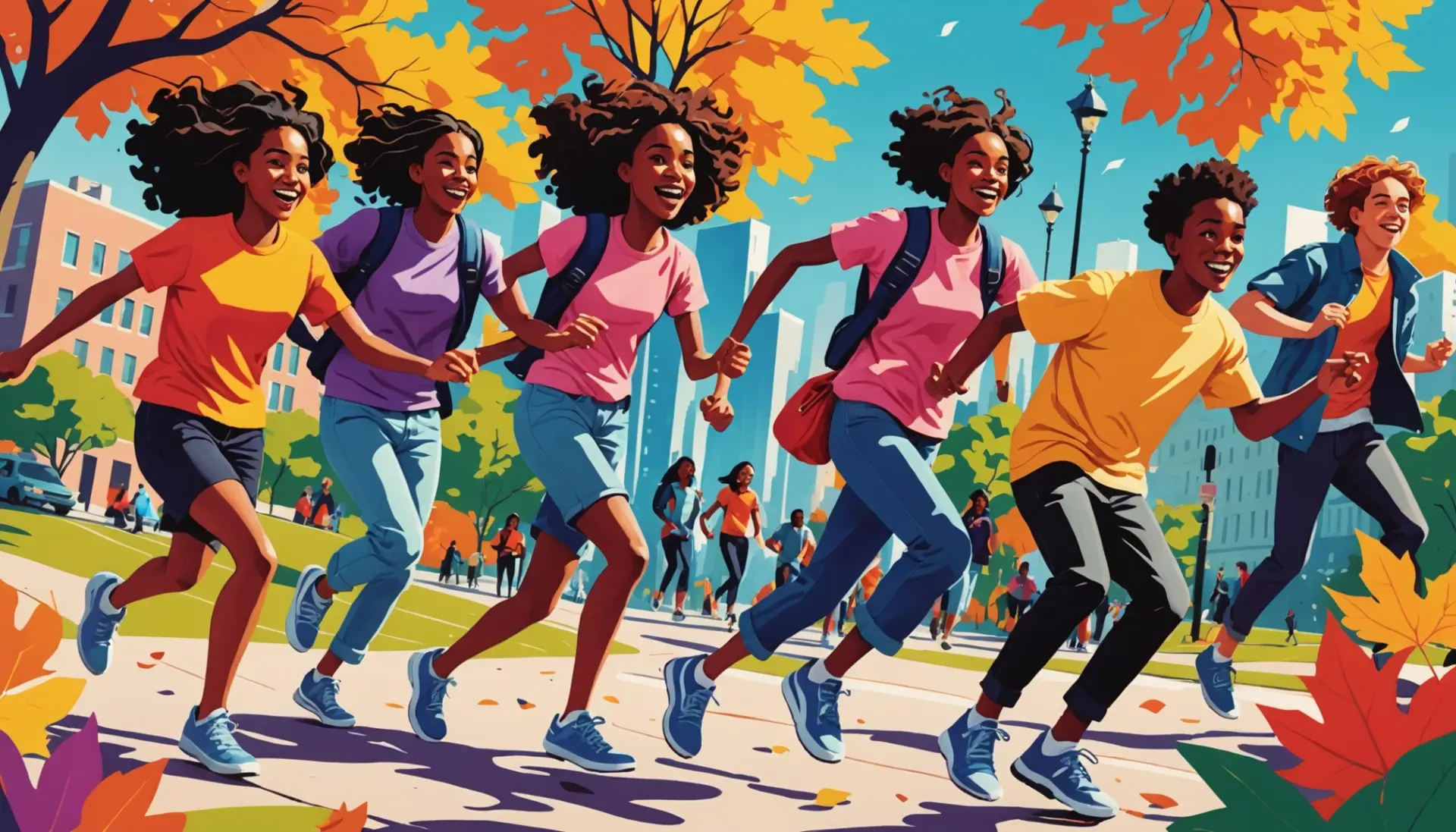
The most neutral sense of what does romping mean is simple: to play or frolic energetically. Think of kids romping in a park, clothes muddied, laughter loud. That’s the oldest, cleanest sense you will see in dictionaries like Merriam-Webster and Cambridge Dictionary.
But romping has other everyday senses too. In sports writing a “romping victory” means a comfortable, blowout win. In social contexts it can be cheeky shorthand for a sexual encounter, often used playfully, as in someone bragging about a romping night out. Context flips the meaning fast.
What Does Romping Mean in Slang Circles
When you ask what does romping mean among Gen Z or online, expect two primary flavors. First, the playful, nonsexual vibe: romping around the city, romping with your dog, romping through a thrift store like a mood. Second, the flirtier sense: romping as shorthand for hooking up or having sex, often used jokingly.
Urban Dictionary entries and social media threads capture this slangy second sense well, where tone, emojis, and who says it determine whether it’s naughty or innocent. If a headline reads someone had a “romping time,” that’s intentionally ambiguous, and sometimes that ambiguity is the whole point.
Examples: How People Use Romping in Conversation
Real examples help. Here are lines you might actually hear, verbatim, on text threads, in captions, or IRL.
“We were romping all day at the festival, my shoes are destroyed but 10/10 would do again.”
“Did you hear they were romping after the party? Wild.”
Those two show the split. The first is innocent, adventurous, very festival TikTok. The second leans into gossip, and depending on the speaker it could mean anything from a make-out session to full-on hooking up.
Here are a couple more conversational snippets, because hearing the cadence matters.
Friend A: “How was the hike?” Friend B: “Amazing, we were romping over rocks the whole way.”
Friend A: “So what happened after the show?” Friend B: “Oh you know, some romping and then we left.”
Notice how tone and context signal which meaning you should choose. The same verb, different film.
Roots and Etymology of Romping
Curious about where romping came from? The verb romp dates back to the 16th and 17th centuries, originating from playful movement, likely linked to the sense of boisterous action. Over time the word accrued the figurative meanings we use now.
If you like digging into dictionary timelines, take a peek at the entries on Merriam-Webster or Cambridge to see historical usages. Language shifts slowly, and romping is a neat example of a harmless verb that picked up cheeky connotations in casual speech.
Romping and Consent: Social Contexts to Watch
Here’s where tone matters, and why I want to be blunt. When romping is used to hint at sexual activity, it can be playful and harmless. But it can also be vague, and vagueness around sexual behavior sometimes erases consent. So if someone says they were romping with another person, it is okay to ask clarifying questions if you need to know more, or to respect boundaries if the remark is private.
This isn’t grammar policing. It is just social hygiene. Casual slang can normalize behavior, good or bad. Use romping to sound playful, sure, but don’t use it to gloss over anything sketchy. If you want an accessible definition beyond slang, Cambridge is useful, and for conversational uses Urban Dictionary shows contemporary takes.
Romping in Pop Culture and Memes
Romping pops up in music, reviews, and meme captions occasionally. Think of song lyrics that praise a wilder night, or sports headlines like “Team X romps to victory,” which are literal and nonsexual. Even celebrity gossip columns sometimes use romping as a coy euphemism, because ambiguity sells clicks.
Remember when tabloids ran cheeky lines about celebrities “romping” after parties? That kind of phrasing nods to older slang, the kind that keeps tabloids salacious without getting explicit. It is a classic move in headline writing.
Synonyms and Related Terms
If you want alternatives, romping neighbors include frolicking, cavorting, canoodling, and shag in British slang. Each word carries its own tone. Frolicking feels wholesome, cavorting is theatrical, canoodling is romantic, and shag is bluntly sexual in UK English.
Choosing which you want depends on the mood you want to convey. If you are writing a cheeky caption, romping does a lot of work because it is lively and a little mischievous.
Final Takeaways on What Does Romping Mean
So, what does romping mean? It can mean lively play, a decisive win, or a playful nod to sex. The real key is context, tone, and the people speaking. If you hear the phrase, you can usually tell which meaning fits by looking at the scene and the speaker.
Use romping when you want a word that feels loose, energetic, and slightly mischievous. Be mindful when it gets into sexual territory, and if you need a quick check, Merriam-Webster and Cambridge are good neutral references. For slangy, on-the-ground usage, sites like Urban Dictionary capture how people are actually saying it online.
Further reading
Also, if you liked this, check related slang explainers on SlangSphere: rizz and bogart. I write these like a friend telling you the tea, not a robot reading a textbook.