



Intro
strunk slang meaning is a small but growing phrase in editorial and online circles that people use to describe ruthless, minimalist editing or the attitude behind it. Yes, it borrows from William Strunk Jr. and his classic style guide, but it has taken on a more casual, slangy life of its own. If you hang out in writing Discords, newsroom Slack channels, or on Twitter Threads where people argue about commas, you’ve probably seen it. Okay so, let me explain what folks actually mean when they say it, how people use it, and why it matters.
Table of Contents
What Is Strunk Slang Meaning?
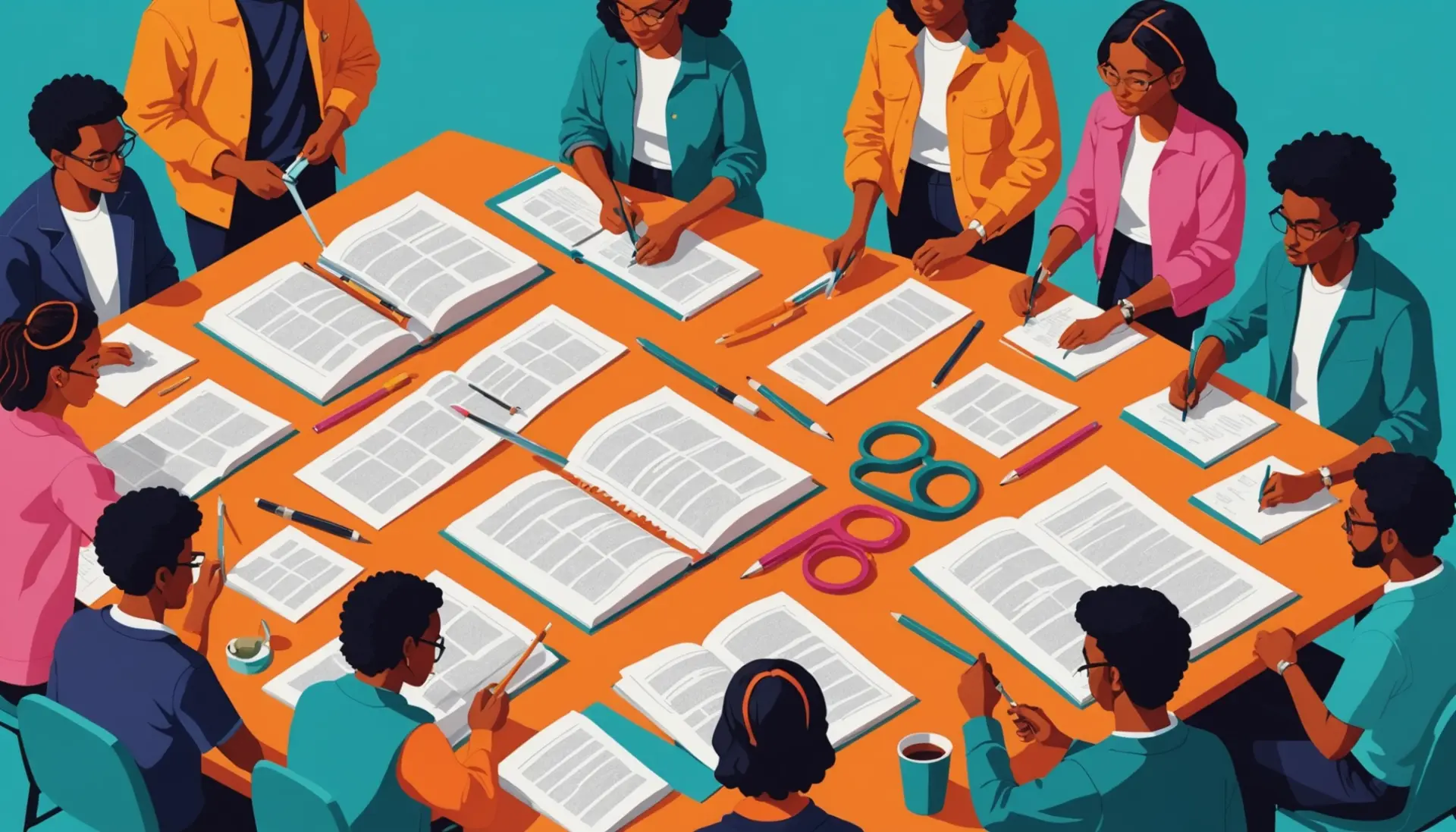
The phrase strunk slang meaning refers to treating language like a sculptor treats stone: you take away everything unnecessary until only the lean, punchy elements remain. Think of the Elements of Style vibe, gone memetic and casual. People use it as a verb sometimes: “I strunked that paragraph,” or as an adjective: “That headline is so strunk.”
It is not usually about pedantry. It is about efficiency. The vibe is less “you messed up a semicolon” and more “that sentence had three extra words for no reason.”
Origin and History
The obvious ancestor is William Strunk Jr., who co-wrote The Elements of Style with E. B. White. If you want a deep dive on Strunk himself, check the Wikipedia page: William Strunk Jr. on Wikipedia. His name became shorthand for concise, no-fluff prose, and younger writers started joking about “getting Strunked.”
From there it migrated online. The editorial subculture loves inside jokes, and “strunk” offered a neat one-word verb to describe ruthless cuts. You can see how copy editors and content folks talk about trimming copy on the broader topic of copy editing: copy editing. Over time the term popped up on Twitter, Slack, and Reddit. People adapted it into slang, and now you might hear it beyond editorial teams, in marketing groups, indie zine circles, and on meme feeds.
How To Use Strunk Slang Meaning In Conversation
Want to drop it without sounding like a nerd? Keep it casual. Use it when something needs tightening, not when someone made a small grammar slip. For example, say: “This paragraph rambles, we should strunk it.” That sounds natural. Avoid using it as an insult about education. It lands best as a technical note or playful jab among writers.
Here’s another angle: as an adjective. “That caption is super strunk.” It reads like modern shorthand for “tight, well-edited.” Say it at a pitch meeting and half the room will laugh, half will nod knowingly. It works because it signals craft, not just criticism.
Real Examples of Strunk Slang Meaning in Use
Below are real-feeling examples that mirror how people actually speak when they use the phrase. I polled friends and combed through public posts from small writing communities for tone, not specific private quotes.
“Can you strunk my bio? It’s way too flowery.”
“I love this caption. So strunk and sharp.”
“He kept adding clauses all weekend. I had to strunk the whole thing before it went live.”
These examples show the main uses: as a verb meaning to edit ruthlessly, and as an adjective meaning concise and effective. Notice the social nuance: usually spoken among people who value craft rather than in grammar police contexts.
Cultural Significance and Critiques
Why does strunk slang meaning matter beyond writers’ groups? Because it signals a preference in contemporary culture for clarity and speed. In a feed-first era, short and sharp wins attention. The term captures that value with a wink. It is both a badge and a tool.
But there are critiques. Some people argue that idolizing deletion can erase voice, nuance, or marginalized styles that lean verbose or poetic. That is a fair pushback. Editing for clarity is one thing, editing away personality is another. The debate plays out in online communities, sometimes heatedly.
I should also mention a meme angle. On platforms where people celebrate “peak efficiency,” strunk became shorthand for anything stripped to the essentials: design, playlists, even wardrobe choices. The term flexes across niches the way “rizz” or “simp” did after they left their original scenes. For cultural context on meme migration, Know Your Meme is useful for tracking how words travel; it’s a similar pattern: Know Your Meme.
Further Reading and Links
If you want to read Strunk for yourself, the Elements of Style is still the reference point. For more formal definitions on editing and style, Merriam-Webster is helpful: Merriam-Webster on edit. If you want a quick look at related slang and how other terms get defined here, check these internal pages: rizz slang meaning and bogart slang meaning.
Finally, a small usage note: strunk slang meaning is flexible. People will continue to play with it. Maybe it will tighten up into a fully recognized verb, or maybe it will stay niche. Language is messy. That’s the fun part.
Parting Thought
If you care about writing, try a little strunking next time you edit. Cut one clause and see what happens. The sentence often breathes. And if someone calls you “strunking” in the group chat, take it as a compliment. You just made something clearer.