


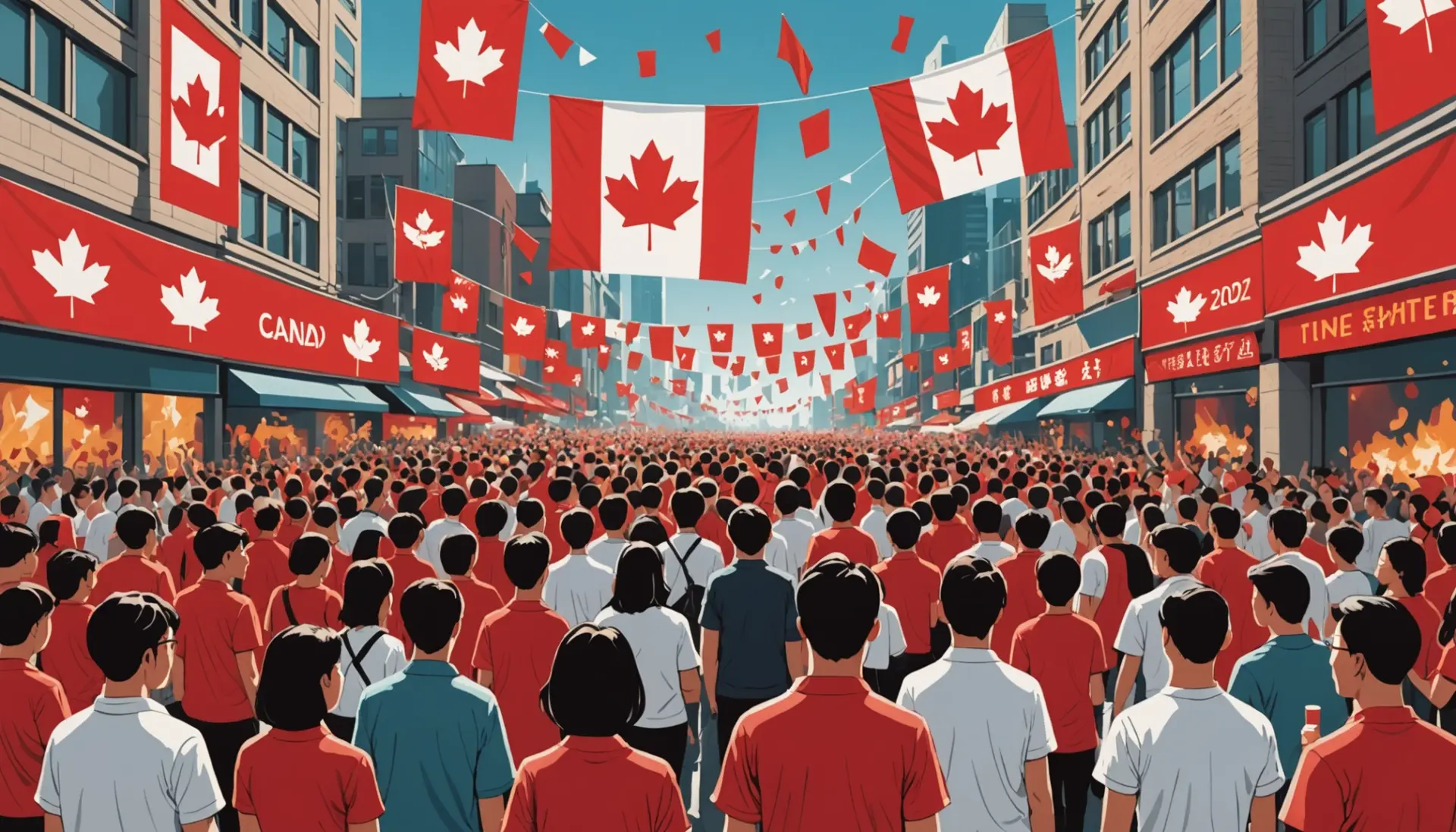

july 1st urban dictionary is a phrase people type when they want the slangy, meme-ready takes on July 1st, and yes, there are a few different vibes wrapped into that single search.
Table of Contents
What “july 1st urban dictionary” Entries Mean
Search “july 1st urban dictionary” and you mostly get three camps: the Canada Day gang, the Hong Kong political anniversary crowd, and the low-effort meme interpretations that treat the date like an event label. People use entries on sites like Urban Dictionary to give an emotional spin, not a dictionary-grade definition.
Canada Day is the biggest, most obvious reference. If you type Canada Day into a browser, you get the official holiday. Urban Dictionary responds with the party energy, the complaints about fireworks, and those predictable comparisons to July 4th.
Origins and Cultural Backstory for “july 1st urban dictionary”
The reason someone would search for “july 1st urban dictionary” is cultural context. July 1st is Canada Day, sure, but it is also the anniversary of the Handover of Hong Kong in 1997. That event has its own political baggage and protest history, which turns up in grassroots internet entries and threads.
Want sources? Read about the Handover of Hong Kong for the historical anchor. For the meme crowd, check out the Canada Day meme archive on Know Your Meme. Urban Dictionary sits between those two: half cultural notes, half jokes, and a lot of first-person takes.
How People Use “july 1st urban dictionary” in Chats
People often use the phrase to ask, basically, what are the vibes for July 1st. Someone planning a BBQ might ask a friend, “Is July 1st urban dictionary calling this a ‘mandatory backyard bash’ or what?” They are looking for consensus-speak, like which traditions or memes are expected that year.
Other times it is used sarcastically. A TikTok comment might say, “According to July 1st Urban Dictionary, this is Canada Day energy,” then drop a sped-up montage of beavertails, flags, and messy confetti. It becomes shorthand to reference a cluster of cultural images at once.
Real Examples and Meme Moments
Here are actual, realistic ways people are using that search or the phrase in conversation. These are the kinds of lines you see under Urban Dictionary definitions, Reddit threads, or overhear on transit.
“So what does July 1st Urban Dictionary say this year, fireworks or chill vibes?”
“Look, July 1st urban dictionary: the day my friend becomes 80% maple syrup and 20% apologetic.”
People also riff on politics: “July 1st urban dictionary entry: ‘March and reflect’ for Hong Kongers. Respectful, heavy, not a party.'” Those posts often link historical context and news pieces, because the date is a marker for both celebration and remembrance.
Where the memes come from
Memes about July 1st lean into comparisons with July 4th in the U.S. or they double down on uniquely Canadian things: polite apologies, Tim Hortons, and over-the-top flag merch. That’s why searching “july 1st urban dictionary” brings up entries that feel part-dictionary, part-caption generator.
Urban Dictionary itself is user-generated, so expect subjectivity. Entries range from affectionate and silly to biting and political. When you read them, read the upvotes and the dates too. That context matters.
Quick Takeaway
If you type “july 1st urban dictionary” into a search bar, know what you want. Looking for party tips? Lean into the Canada Day content. Want history or protest context? Follow the Hong Kong anniversary threads. Want memes? Scroll the joke entries and enjoy the chaos.
Honestly, the search is less a quest for a single definition and more a cultural mood-check. Urban Dictionary reflects what people care about in the moment, which means definitions change fast. If you want a steady encyclopedia-style description, use sources like Wikipedia or mainstream news archives. If you want the slangy crowd take, then that search will show you exactly how people are talking, calling it out, and joking about the date.
Further reading and related slang
Want to understand how other slang queries work on the site? Check our explainer pages on rizz and delulu. They show how entries evolve from niche jokes to mass-usage terms.
And if you care about accuracy and sourcing for historical moments tied to dates, cross-reference Urban Dictionary reactions with reputable histories and archived news. The combo gives you both the official narrative and the crowd’s shorthand.