



Introduction
far out slang meaning is what people still say when something feels wildly unusual, impressively cool, or delightfully weird, and yeah, it has roots older than most TikTok trends. I promise this isn’t just a dusty 1960s relic. It shows up in retro movies, indie playlists, and casual convos when someone wants to signal both surprise and approval.
Table of Contents
Far Out Slang Meaning: Origins and 60s Roots
The phrase far out rose to prominence during the counterculture era of the 1960s and early 1970s, when people used it to praise something unconventional or mind-expanding. Think psychedelic shows, Ken Kesey’s bus trips, and folks calling a trippy light show “far out” between guitar solos. If you want a quick historical anchor, check out the hippie movement overview on Wikipedia or the Encyclopaedia Britannica’s piece on the hippie phenomenon for context.
Merriam-Webster still lists far-out as an adjective meaning startlingly unconventional or excellent, which helps explain why the phrase feels both vintage and usable today. Language nerds like entries on Merriam-Webster when tracking shifts like this, because the dictionary shows how casual speech makes it into the record. The phrase hopped from beatniks to surf culture to mainstream counterculture pretty fast.
Far Out Slang Meaning: Nuance and Tone
So what does far out actually mean in practice? It depends on tone and context. Said with genuine awe, far out = “that’s really cool or unusual.” Said deadpan, it can mean “that was weird, dude.” The word carries the dual energy of admiration and strangeness.
Context clues matter. If someone texts, “That art show was far out,” they probably mean it was impressively strange. If a friend shrugs and says, “Far out,” after you mention a bizarre dream, they might be politely amused. The phrase can be sincere, ironic, or retro-flirty all at once.
Far Out Slang Meaning: Modern Use and Examples
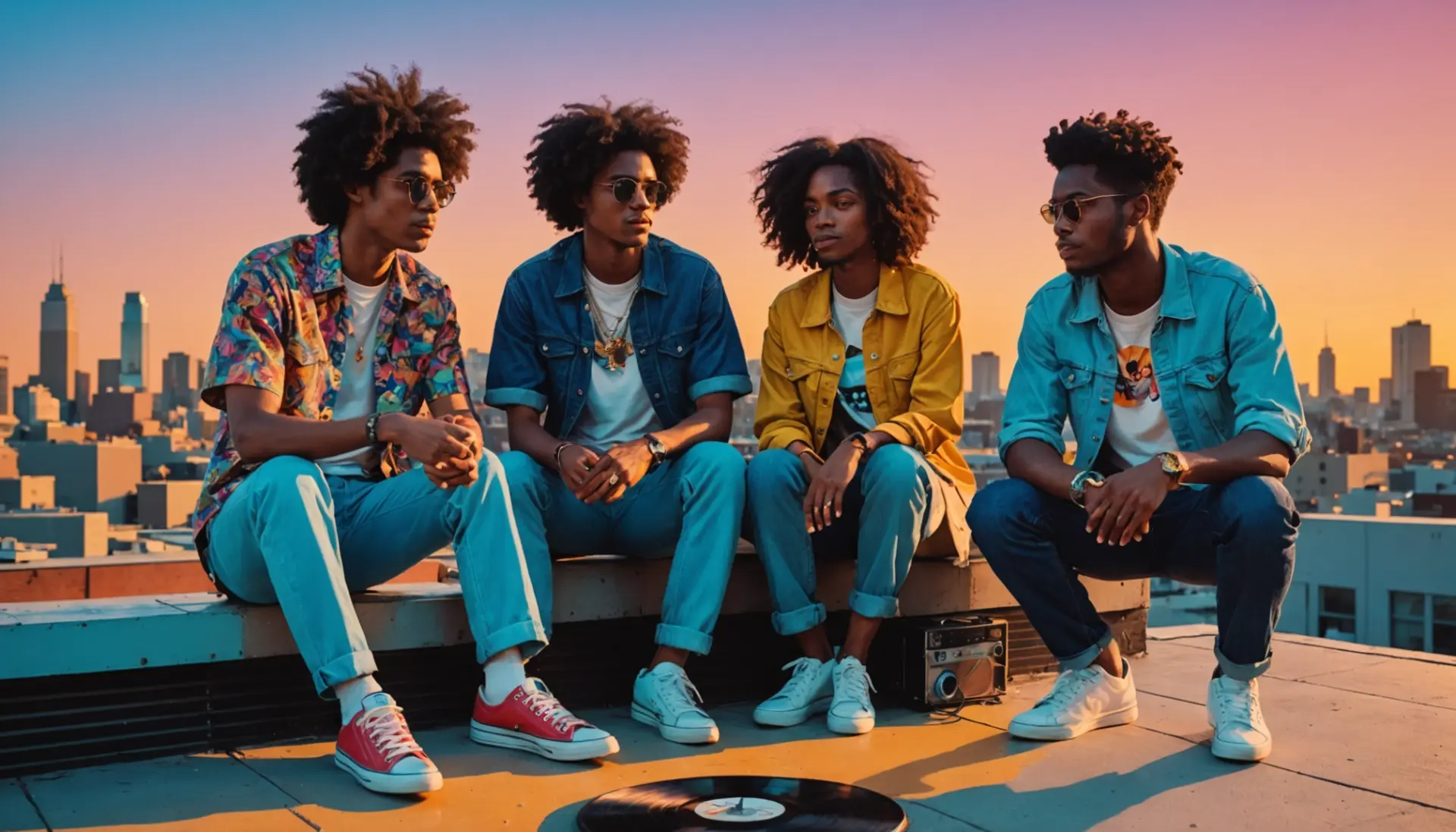
These days, far out slang meaning still works because it’s flexible and slightly nostalgic. Gen Z and millennials borrow it sometimes to sound kitschy or to wink at older cultural moments. You might hear it in a caption under a vintage photo, in indie lyric-writing, or from that one friend who collects vinyl and dares everyone to love it.
Here are real, casual examples of how people use the phrase in conversation:
“Dude, the rooftop show last night was far out, the visuals were insane.”
“You met them? Far out. Tell me everything.”
“I tried kombucha for the first time—far out, but weird.”
Those lines show the three common shades: praise, surprise, mild disapproval. You also see far out used as a mild ironic throwback in memes or threads about retro fashion. It pops up in music reviews when writers want a slightly playful tone, and sometimes in indie films that nod to 60s aesthetics.
If you want to trace cultural echoes, look at the way older shows and films used the phrase to signal coolness. For a useful historical touchpoint on the culture that birthed the term, Britannica’s article is handy: Hippie movement.
How to Use “Far Out” Without Sounding Corny
Okay so you want to use far out in real life. Use it sparingly. It hits best as a reaction word, not a full description. A quick “far out” after someone describes a wild idea has more charm than, “That is a far out concept,” which can read theatrical.
Match the energy. Say it with warmth if you mean praise, flat if you mean “that was odd,” or playful if you want to be retro. Want to signal that you’re in on the joke? Add a tiny wink of irony. Try using it around friends who get the vintage vibe; around people who don’t, it may just land as old-timey.
Common Confusions and Related Terms
People sometimes confuse far out with “far-fetched” or “out there,” but they are not perfect synonyms. Far out often carries admiration. Far-fetched implies implausibility. Out there overlaps more with weirdness than coolness. The line is thin, but it’s real.
Related slang to explore if you care about vibe: groovy, trippy, rad, surreal, and kooky. If you like this kind of historical slang, you might enjoy our guides to other terms like rizz, delulu, or the classic bogart. These pages show how context flips meaning over time.
Wrapping Up
So yeah, far out slang meaning has stayed useful because it blends surprise, approval, and nostalgia in one neat little phrase. Use it, but don’t overuse it. It has charm when it shows up suddenly, like confetti at the end of an old movie scene.
Final thought: language isn’t a museum piece, it’s a wardrobe. Far out still fits in some outfits. Wear it when it matches the vibe. If you want more on how slang ages and cycles, check language resources and keep listening to the way people actually talk in comments, song lyrics, and late-night conversations.
External reading: Counterculture of the 1960s, Merriam-Webster entry for far-out, Britannica on the Hippie movement.