



what does cabo mean in english is the kind of question you hear a lot, especially if someone texts, “Book flights, we are going to Cabo.” People toss that short word around like everyone knows it, but it actually carries several different meanings depending on context, language, and region.
Table of Contents
What Does Cabo Mean in English? Basic Meanings and Origins
At its simplest, “cabo” in Spanish literally translates to “cape” in English, as in a geographic cape, like a headland sticking into the sea. So when Spaniards talk about a “cabo” on a map, they are not talking about a vacation, they are naming a piece of coastline.
But wait, there is more. “Cabo” also means “end” or “tip” in many phrases. The expression “al cabo de” means “after” or more literally “at the end of.” That usage shows up in everyday Spanish, and it is a small semantic leap from a physical tip to a temporal end.
If you like etymology, “cabo” traces back to Latin roots related to head or end, and you can confirm the linguistic background on Wiktionary or the authoritative Spanish entry at the Real Academia Española. Those are helpful if you want to nerd out on the full set of senses.
What Does Cabo Mean in English? Travel and Slang Usage
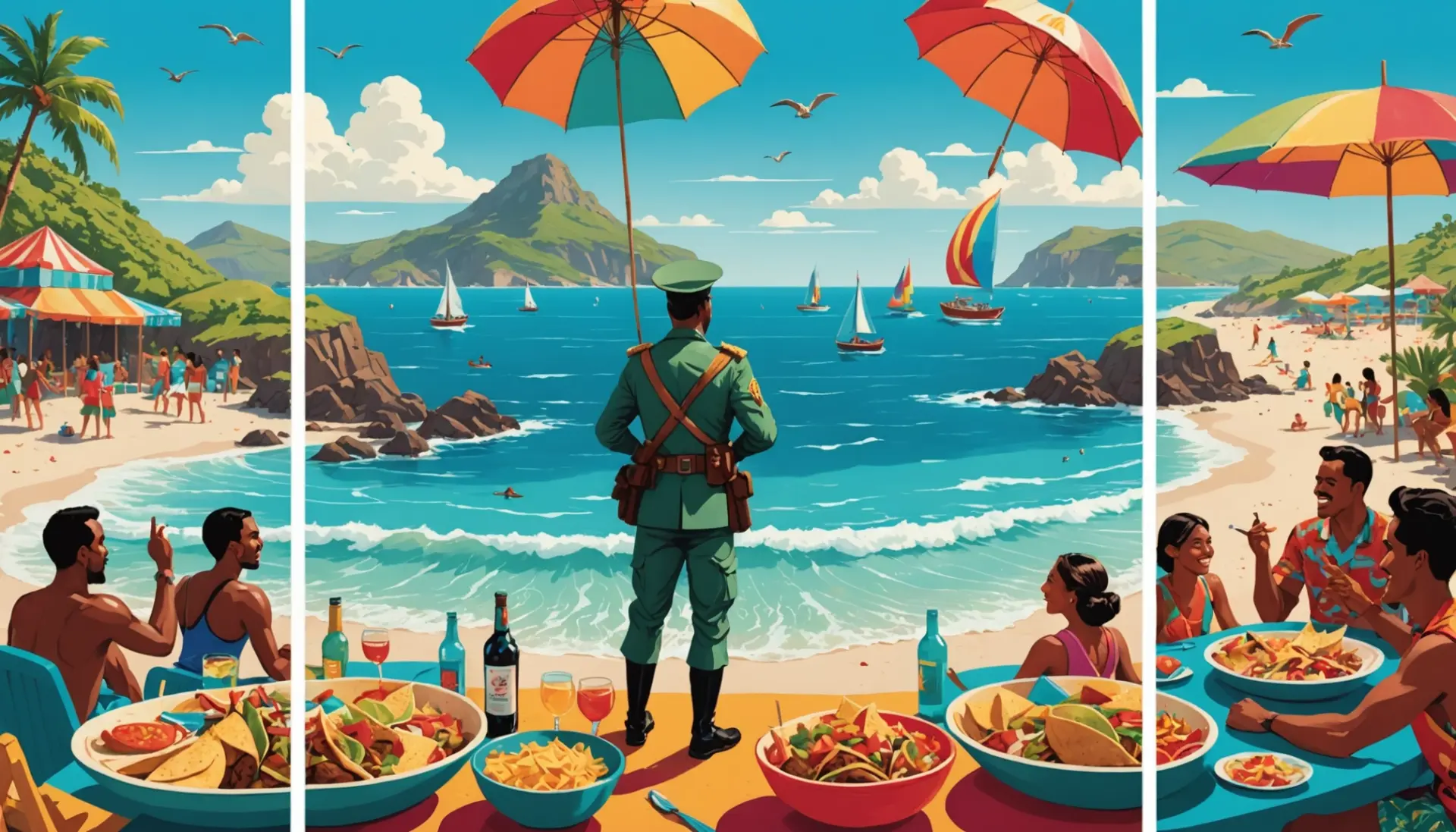
Now for the most common English-facing meaning: when Americans say “Cabo” they almost always mean Cabo San Lucas, the resort town at the tip of Mexico’s Baja California peninsula. It became shorthand among travelers, influencers, and party crowds. “We’re flying into Cabo” just means “we’re going to Cabo San Lucas” in casual speech.
That usage became huge in travel culture. Think Instagram posts of sunsets, boat parties, and tequila shots. The phrase “See you in Cabo” works like shorthand for a getaway mood. It is a proper noun in that case, not the Spanish common noun meaning “cape.”
Military Rank, Idioms, and Grammar Notes
Another meaning you will run into is military. In Spanish and Portuguese “cabo” is a rank equivalent to “corporal” in English. So a soldier introduced as “el cabo Ramirez” would be Corporal Ramirez in English. Different context, different translation. Language is picky like that.
Also watch for idioms. “Estar a caballo al cabo” is not a phrase you hear, but “al cabo” shows up in idioms meaning “in the end” or “after all.” You might translate a whole sentence differently depending on whether “cabo” refers to a cape, an ending, or a rank, so context matters a lot.
Real Examples: How People Use the Slang and Word
Here are real, natural examples so you can feel how the word lands in speech. Short and usable. Use them next time someone says Cabo and you want to sound like you know your stuff.
“Vamos a Cabo este fin de semana.”
Translation: “We’re going to Cabo this weekend.”“Al cabo de dos horas, nos fuimos.”
Translation: “After two hours, we left.”“El cabo le dio la orden.”
Translation: “The corporal gave him the order.”
And a more slangy travel example you will see on social media: “Cabo or bust” and “Cabo vibes.” Those are English phrases using the place-name sense. They are not translations of the Spanish noun, but loaned usage in English conversation and captions.
Cultural Moments, Songs, and Pop Culture
Cabo has been a backdrop for a lot of pop culture moments. Think celebrity getaway headlines, spring break memes, and bars like Sammy Hagar’s Cabo Wabo which turned the town into a party legend. That association made “Cabo” shorthand for sun, tequila, and a wild weekend.
Because of that, “Cabo” shows up in songs, travel ads, and even TV plotlines when writers need to signal a flashy vacation. When someone says they are “going to Cabo,” the cultural subtext often includes beaches, nightlife, and a little chaos. Ngl, that image sells itself.
Further Reading and Sources
If you want an official lexical take check the Real Academia Española entry, and for the travel place see the Cabo San Lucas page on Wikipedia. For etymology and variant senses, Wiktionary is a handy cross-check.
Also, if you like slang breakdowns, we have related explainers on SlangSphere, like rizz, delulu, and a classic on bogart. Those pages dig into how terms evolve from places and pop culture into everyday speech.
So what should you answer if someone asks, “what does Cabo mean in English?” Start by asking how they heard it. If it’s about travel, say “Cabo” means Cabo San Lucas, a resort town. If it’s in a Spanish sentence, it could mean “cape,” “end,” or the rank “corporal.” Context tells you which translation fits.
Short answer: it can mean a geographic cape, the idea of an end, a military corporal, or the vacation hotspot Cabo San Lucas. All true. All depending on context. Pretty versatile for a four-letter word.
If you want a quick caption-ready translation: when in doubt, translate “Vamos a Cabo” as “We’re going to Cabo.” Works every time. Okay so, who’s booking the flight?