


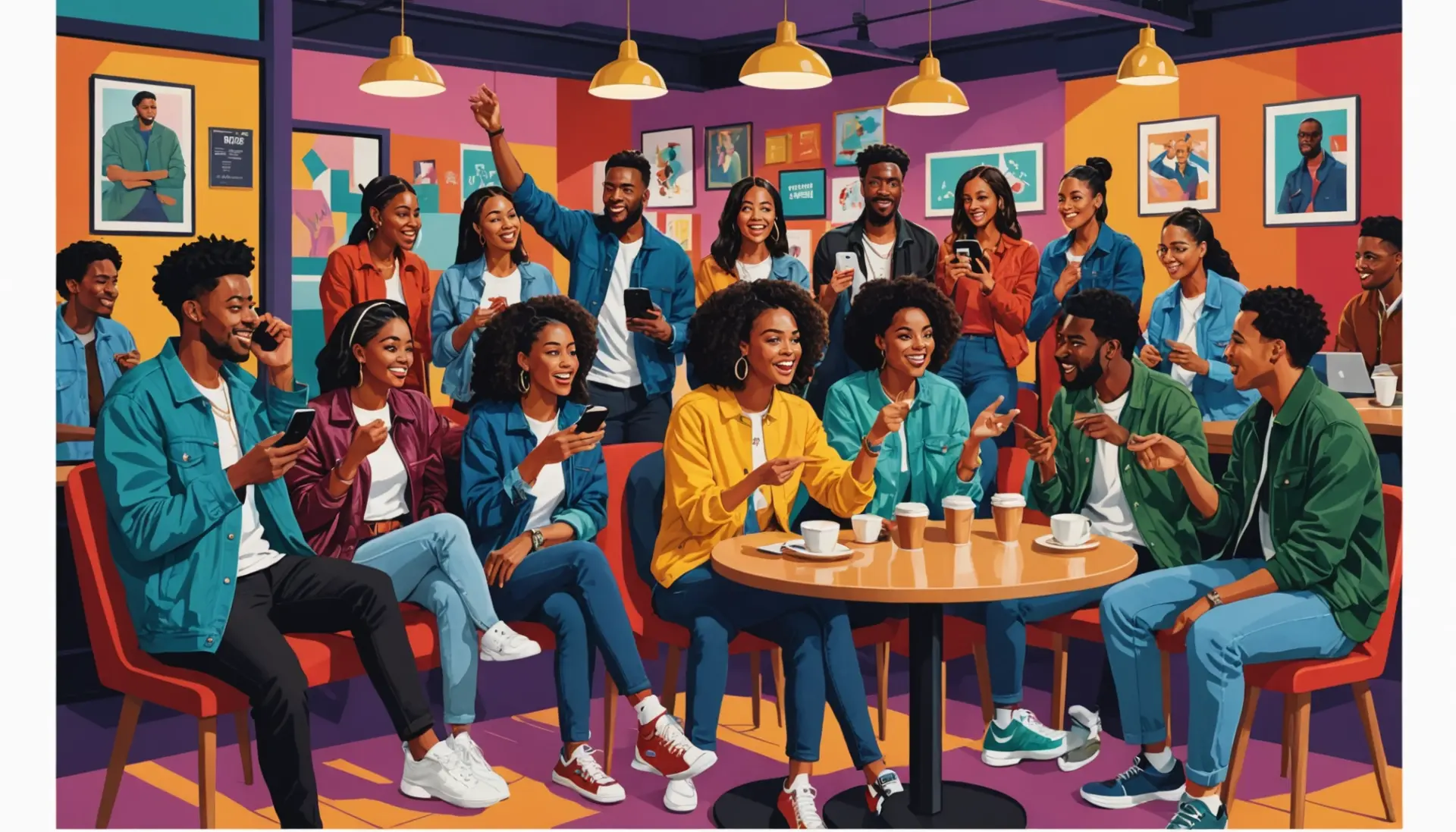

what does exclusive mean is the question everyone asks when someone says they are “exclusive” with a partner, or when a drop is labeled “exclusive” online.
Table of Contents
What Does Exclusive Mean: Meanings
At its core, the dictionary definition of exclusive is about restriction, or limited access. If you look at Merriam-Webster or Cambridge Dictionary, you will see the formal angle: excluding others, limited to a select group, or single and not shared.
But slang bends that. In casual talk, “exclusive” can mean anything from officially monogamous, to VIP access, to something flexed like a rare sneaker drop. Context matters. Tone, who says it, and where you hear it change the meaning fast.
What Does Exclusive Mean in Dating
When people ask “what does exclusive mean” about relationships, they usually want clarity: does it mean you removed your dating apps, or that you used the L-word five minutes later? The short answer: it usually means you and one other person agreed not to date anyone else.
That agreement is often informal. Some couples explicitly say it: “Are we exclusive?” Others ghost the roster and just stop seeing other people. You will find threads and explainer pieces on dating culture that debate what counts as exclusivity.
There is no single uniform rule across people. One person’s exclusive is another person’s casual-but-not-dating. That mismatch is why the question “what does exclusive mean” shows up in so many awkward text chains.
Friendship and Social Uses
Exclusive does not only live in dating. It slides into friend groups and social cliques. Saying a party or group chat is “exclusive” signals it’s not open to everyone, and sometimes that’s the whole flex.
People also use exclusive sarcastically. Someone might say, “Oh yeah, that rooftop’s exclusive,” when they mean it is overpriced and roped-off. Sarcasm is its own register here, and Gen Z loves the eye-roll version.
How Brands and Media Use “Exclusive”
Brands weaponize “exclusive” to prod FOMO. Limited drops, exclusive collabs, and members-only content are designed to feel scarce. Think of sneaker resales, Spotify exclusive tracks, or fashion collabs promoted on Instagram.
Sometimes that usage is playful. Other times it is manipulative, pushing people to buy into scarcity. If you want the dry definition of exclusive, check a dictionary. For cultural usage, Know Your Meme and similar sites trace how hype cycles and memes have reshaped the tone of words like “exclusive” into something performative. See Know Your Meme.
Real-Life Examples and How to Say It
Here are realistic ways people use the phrase, so you can hear the difference between dating, flex, and sarcasm. These are paraphrased, but you will see them in DMs and group chats.
- Dating clarity: “Hey, are we exclusive? I just want to know if we should delete our Hinge.”
- Flex/VIP: “Got an exclusive drop coming next week, only 100 pairs.”
- Sarcastic: “Sure, the club’s exclusive — if you’re rich and annoying.”
People also toss it into casual convos. Example texts may look like this:
Person A: “So are you seeing anyone?”
Person B: “Nah, but I might be exclusive with Netflix tonight.”
Ngl, that last one is peak meme energy. It flips the expectation, and that’s part of current slang playfulness.
Short Chat Examples
Use these to practice. They sound like real messages from friends:
- “We text a lot. Does that mean we’re exclusive or just vibing?”
- “They’re doing an exclusive interview, you saw it on Wikipedia about media exclusives, right?”
- “She made the group chat exclusive, I guess we didn’t get the memo.”
Final Thoughts
So, what does exclusive mean? It is a shape-shifter. At a minimum, it signals limitation: fewer people, special access, or a single person in a romantic setup. Beyond that, tone and intent do heavy lifting.
If you want fewer surprises, ask: “Are we exclusive?” Say it plainly. Ambiguity is the real thing you are fighting when you wonder what does exclusive mean. Be direct. Save yourself the late-night overthinking.
Want more slang breakdowns? Check out rizz for pickup energy, or ghosting to see the opposite of clarity in dating. Both pages give you culture context and the kind of examples that make these phrases land in real life.
References: Merriam-Webster for formal meanings, Cambridge for nuance, and Know Your Meme for how “exclusive” moves through hype culture. Use the word confidently, but also ask questions when people use it about relationships. Communication wins.