



Intro: Quick Take
Spook slang meaning is messy, layered, and depends a lot on who is saying it and where. Honestly, the same word can land as casual, clinical, playful, or painfully offensive. I want to give you the cultural map, so you can tell the difference between someone calling a horse “spooked” and someone using a word as a slur.
Table of Contents
What Does Spook Slang Meaning Mean?
The phrase spook slang meaning covers a few distinct uses: to frighten, a person who works in intelligence, and a hateful racial slur. That three-way split matters. You cannot assume one meaning without context.
When someone says “that movie spooked me,” they mean it scared them. When journalists write about “spooks in the field,” they are using older slang for spies or intelligence operatives. And when the word is used to insult a Black person, that is a racist slur and should be called out.
History of Spook Slang Meaning
Historically, the verb form appears in early modern English to mean ghost or frighten, and by the 19th and 20th centuries it picked up the spy sense. Intelligence services, especially in wartime writing and film, leaned into the shorthand. Think of noir novels and wartime headlines calling agents “spooks.”
At the same time, the word evolved into a derogatory slur in American English, aimed at Black people. That meaning is documented in linguistic and cultural records. If you want the dictionary basics, check Merriam-Webster or Cambridge for definitions and usage notes Merriam-Webster, Cambridge Dictionary. Wikipedia’s disambiguation page also maps the multiple senses well Wikipedia.
How People Use Spook Slang Meaning Today
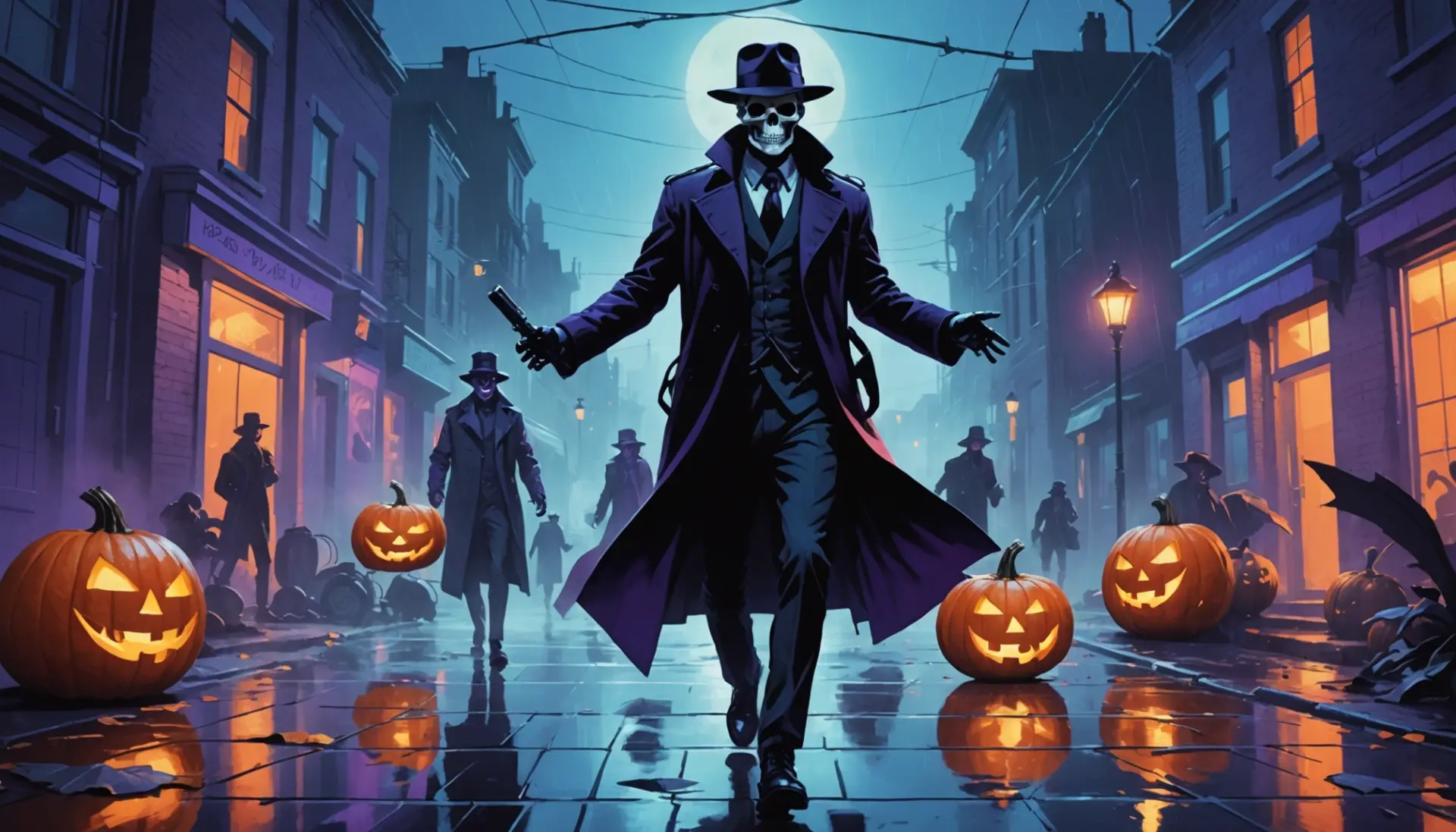
Today you hear the spook slang meaning in three main places: everyday talk about being scared, pop-culture Halloween joking, and in news or fiction about spies. In memes it’s all over October: “spooky season” vibes, skeleton songs, that sorta thing. People will say “I got spooked” about a jump scare on TikTok, and nobody thinks twice.
But the intelligence sense survives in reporting and fiction. Journalists still call anonymous operatives “spooks.” Films like old CIA thrillers helped keep that usage common. Context is your friend here: tone, who is speaking, and the setting tell you which spook slang meaning is intended.
Examples in Conversation
Realistic examples help. Here are how people actually use the phrase in everyday chat, text threads, and headlines. Remember, these are short, ordinary lines that show how flexible the word is.
“That thunder last night totally spooked the dog, he would not come downstairs.”
“Reporters say the agency sent spooks to the border to gather intel.”
“Do not use that word, it is a slur — you just spooked the mood.”
See how different those feel? The first is casual and not political. The second is journalistic shorthand. The third shows the hurt when the slur sense appears. If you need more modern meme-related examples, search trending posts around October for “spooked” or “spooky” and you will see playful uses that have nothing to do with the slur.
When Spook Is Offensive
The offensive usage is serious: spook as a slur aimed at Black people has decades of harmful history. It shows up in racist taunts, and in those contexts it is explicitly hateful. If you are not sure whether a usage is harmless or a slur, listen to who it targets and how it is delivered.
Calling someone a spook to imply contempt or lesser humanity is unacceptable. Social platforms, community moderators, and many newsrooms treat that usage as hate speech. If you see it used that way, push back or report it. You do not need to normalize it by pretending it is just slang.
Related notes
If you want background on racial slurs and how they function, the Wikipedia pages on ethnic slurs and the history of race in the U.S. are useful reads. Also look up cultural critiques or lexicon entries that document how words move between neutral and hateful uses.
Wrap-Up and Advice
So, spook slang meaning is threefold: to scare, an intelligence operative, and a racist insult. Context and speaker identity decide which meaning you are dealing with. Say the right thing and avoid repeating slurs, even when quoting someone else.
If you like slang history, go read film histories for the spy sense and meme threads for the spooky sense. And if someone uses the word as an insult, call it out. Words have consequences, especially when they carry historical harm.
Further reading and links
For definitions, see Merriam-Webster and Cambridge Dictionary. For cultural context look at the Wikipedia disambiguation page for spook. For other slang guides, check our pieces on rizz slang meaning and ghosting slang meaning, and our Halloween breakdown at spooky season slang meaning.