



Intro: Quick question
Okay so, what does it mean to make daylight savings time permanent? Put simply, people are asking whether we should stop switching clocks twice a year and keep summer time all year long.
That question shows up everywhere, from heated state legislatures to late-night tweets about losing an hour of sleep. And yeah, it sounds boring until you realize it touches sleep, politics, school schedules, and your afternoon sunlight.
Table of Contents
what does it mean to make daylight savings time permanent: policy
Saying the phrase what does it mean to make daylight savings time permanent is actually shorthand for a cluster of legal and political changes. On a federal level in the United States, Congress controls time zones and the rules for changing clocks, so making DST permanent usually requires national legislation.
People often point to the Sunshine Protection Act, which has been introduced multiple times in Congress, as that proposed fix. For international background, check the Daylight saving time on Wikipedia and the Sunshine Protection Act on Wikipedia for the bill history.
what does it mean to make daylight savings time permanent: everyday life
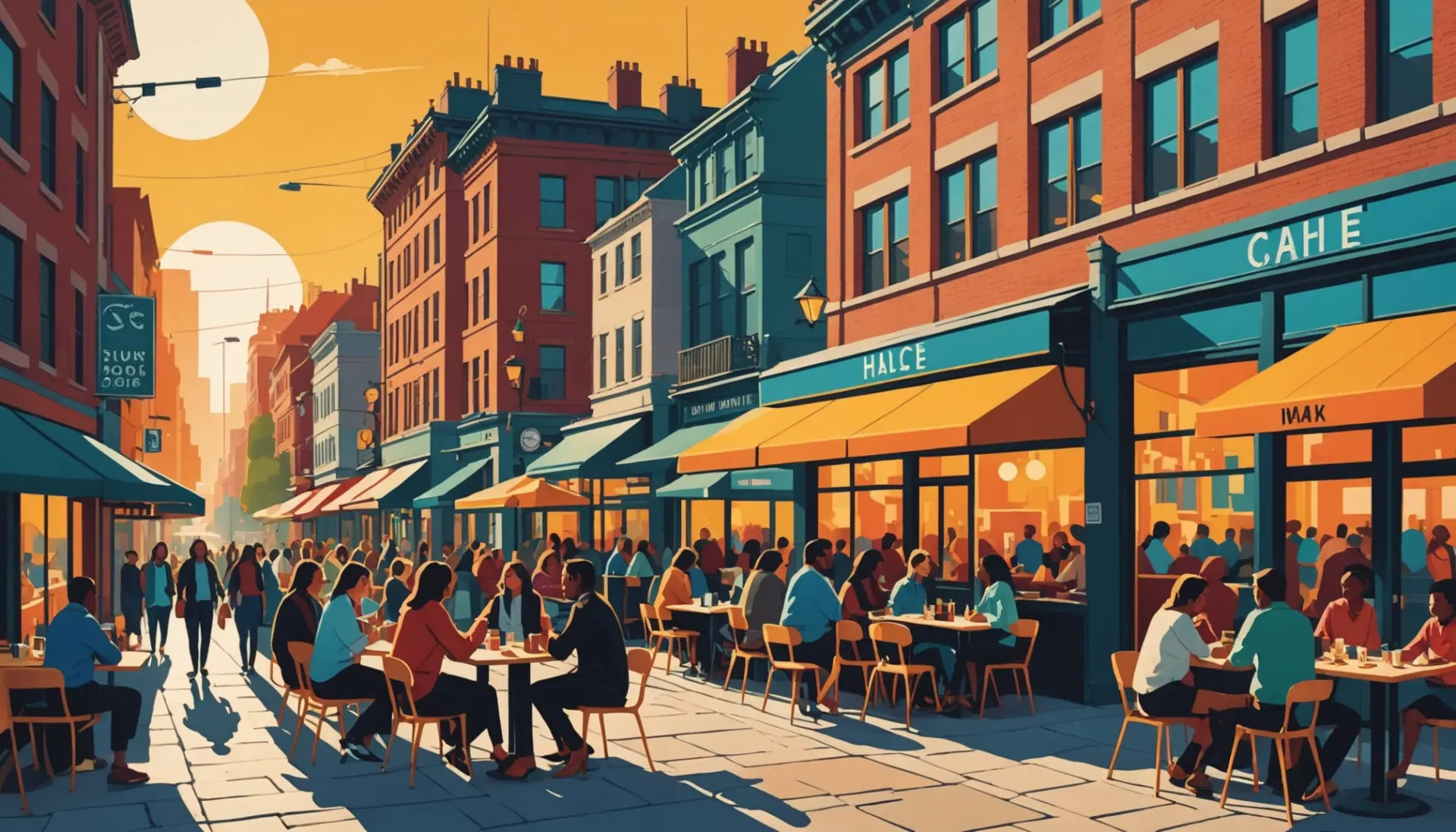
When folks ask what does it mean to make daylight savings time permanent they are often picturing one concrete outcome: more light in the evening. That means sunsets pushed later across seasons, so summer evenings feel longer and many outdoor activities get an extra hour of daylight.
But tradeoffs exist. Morning light in winter would arrive later, which matters for school start times, early shifts, and commuters. Your sunrise might be closer to 9 AM in parts of the country depending on latitude. Not great if you like jogging at dawn or have tiny kids who wake with the light.
Health and science
Health researchers, including the CDC on circadian rhythms, warn that messing with clock time affects sleep, mood, and metabolic health. Permanent DST shifts the social schedule relative to the sun, which can nudge people’s circadian clocks in ways that are not always friendly.
So when you wonder what does it mean to make daylight savings time permanent from a health angle, think less about “more daylight” and more about “later natural mornings” for much of the year. That subtle shift can increase sleepiness for some groups and change teen sleep patterns, which nobody wants before finals week.
Why people want it and why they don’t
There are classic pro and con arguments. Pro folks say permanent DST reduces evening accidents, helps retailers, boosts outdoor dining, and feels better culturally: more summer vibes, more concerts, more barbecues that don’t end at 6 PM.
On the flip side, opponents point to darker winter mornings and potential harms to early-day workers, farmers, and schoolkids. There’s also a fairness argument: sunset timing shifts differently across the country, so one policy can advantage some regions and not others.
How it would become law
Legally, in the U.S. a bill to make DST permanent would pass both houses of Congress and the president would sign it. States can nudge things too, but federal approval is required to actually stop the clock changes nationwide. That’s why you’ll read stories about state bills that are symbolic unless Congress acts.
If you want a deeper legal timeline, the Sunshine Protection Act history is a decent jumping off point on Wikipedia and congressional trackers. Meanwhile, regions like the European Union flirted with abolishing seasonal clock changes in recent years, though implementation has been messy.
Real-life examples and convo snippets
People use the phrase casually to ask a practical question. A friend chat might go: “Hey, what does it mean to make daylight savings time permanent? Do we stop changing clocks or what?” That’s normal; most people are thinking about sleep and daylight, not legislative text.
On social, tweets read like: “If they make DST permanent I get more time at sunset for skating, please pass it” or the other side: “Permanent DST means kids waiting for buses in the dark for months.” Those are honest takes, extreme and relatable at once.
Example text convo:
Sam: “what does it mean to make daylight savings time permanent?”
Jordan: “No spring forward? So more light at night, but darker mornings.”
Sam: “Huh, guess I can grill later.”
Wrap-up: So what should you care about?
If you find yourself typing what does it mean to make daylight savings time permanent into search, you are not alone. The question connects timekeeping to sleep science, economics, and mood, all at once.
Personally, I get why people love the idea: long summer evenings are peak serotonin. But policy needs careful weighing of who wins and who loses, and that nuance is why the phrase keeps showing up in headlines, policy rooms, and group chats.
Want to read more takes on culture and slang adjacent topics? Check out some other entries like rizz and delulu over on SlangSphere.
Further reading: Daylight saving time on Wikipedia, Sunshine Protection Act on Wikipedia, and CDC on circadian rhythms.