


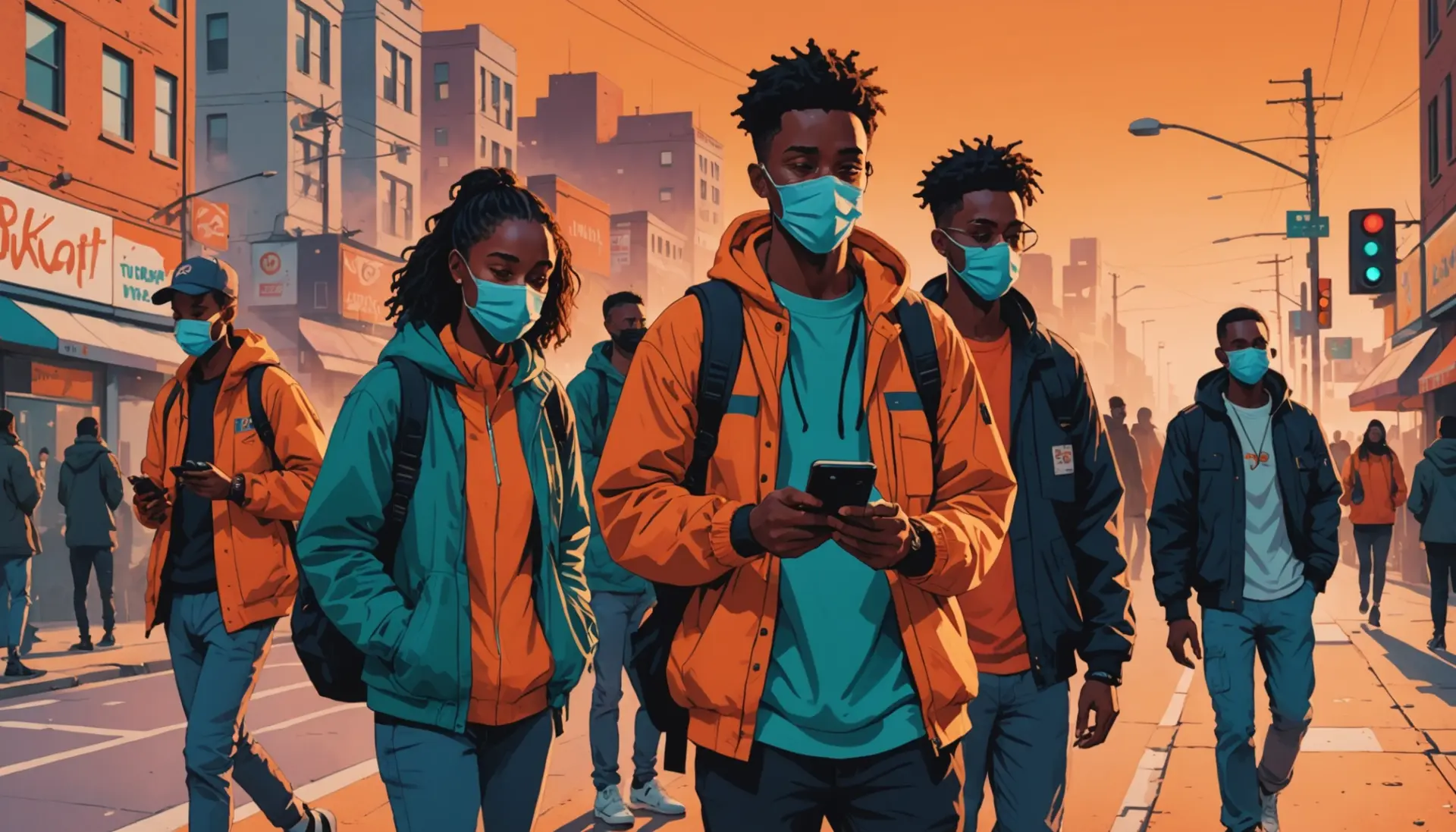

What Does Unhealthy Air Quality Mean? A Quick Coffee Chat
what does unhealthy air quality mean, exactly? If you have ever seen that little red AQI box on your phone and felt a sudden urge to cancel plans, you know the phrase already has teeth. This post will take the phrase out of noisy headlines and into plain English, honestly and without the doom scroll.
Table of Contents
What Does Unhealthy Air Quality Mean: The Definition
When someone texts, “what does unhealthy air quality mean,” they are usually asking if the air outside is dangerous to breathe right now. Technically, it means pollutants like PM2.5 or ozone are at levels linked to health effects, as reported by the Air Quality Index, or AQI. The AQI converts complex pollutant data into a simple color and number that tells you if you should go for a run, or just stay inside and watch Netflix instead.
Air pollution is not just smoke from a bonfire. It includes tiny particles, ground-level ozone, nitrogen dioxide, and a few other nasties. If the AQI is in the “unhealthy” range, a lot of people will feel it, and some groups will need to be extra careful.
How AQI Works and Why It Matters
Okay so, think of AQI as a scoreboard for the sky. Different pollutants get scored and the highest score wins, which becomes the AQI value for your area. If you want the official breakdown, check AirNow AQI. It is the clearest place to check whether your city is squinting through smoke or just having a meh day.
The AQI categories are color-coded and say stuff like “Good,” “Moderate,” “Unhealthy for Sensitive Groups,” and “Unhealthy.” That middle label is where the phrase “what does unhealthy air quality mean” usually pops up, because neighbors and news anchors start using heavier language.
What Does Unhealthy Air Quality Mean for Your Health
So what does unhealthy air quality mean for you, personally? Short version: increased coughing, sore throats, irritated eyes, and more serious breathing or heart problems for people with preexisting conditions. Kids, older adults, pregnant people, and people with asthma or heart disease are the ones public health folks worry about first.
Remember the 2020 West Coast wildfires? Millions saw what “unhealthy” feels like. Schools went remote, flights smelled like campfires, and everyone posted Moana-filtered photos with captioned lungs. For many folks, that event taught us that unhealthy air quality is not abstract, it is a day-to-day hazard.
For technical readers, the World Health Organization and EPA pages explain long-term versus short-term exposures, and why PM2.5 is the villain most people care about. See WHO on air pollution for global context.
What to Do When Air Is Unhealthy
Okay, so you know what does unhealthy air quality mean, but now what? First, check your local AQI on a reliable site or app. If the AQI says “Unhealthy,” consider postponing outdoor workouts, moving sensitive activities indoors, and limiting time in traffic. Masks help, but not all masks are equal.
Use N95 or similar respirators to filter tiny particles. A cloth mask will help a little for big smoke, but not for PM2.5. A HEPA filter at home can be transformative: you will notice the difference if you run it in a closed room. Also, closing windows during heavy smoke helps, crazy as that sounds if you live in a hot place.
- Check AQI: AirNow or local environmental agencies.
- Masks: use N95/KN95 for PM2.5.
- Air cleaners: HEPA filters make indoor air much better.
How People Actually Use the Phrase in Chats and Tweets
People use “what does unhealthy air quality mean” in casual threads, like someone trying to parse a five-word alert. It shows up in texts and on Twitter when an app notification reads: “Unhealthy air quality in your area.” Then the replies are a mix of practical tips and salty memes about canceling brunch. ngl, social feeds become a mix of public health and comedy relief.
Friend 1: “Phone said unhealthy air quality. Can I still run?”
Friend 2: “Lol no. Walk to the fridge counts as cardio.”
Real example usage makes the phrase feel less like a textbook line and more like actual social speech. People will also shorthand it to “AQI unhealthy” or say “we’re smoked out,” which you might see on neighborhood FB pages.
Real Talk: Example Conversations
Here are some real-feeling ways people use the phrase in conversation, because examples stick.
- “What does unhealthy air quality mean? Should I still take the dog out?”
- “My app says unhealthy, so I’m skipping the 5k.”
- “Is it just me or does unhealthy air quality make everything taste like a bonfire?”
Those lines show how the phrase toggles between a genuine question and playful complaint. Culture-wise, it also surfaces in music and art; think of Billie Eilish touring with mask imagery, or Instagram posts during Delhi smog moments that are half protest, half aesthetic.
Closing Notes: Quick Answers and Resources
If you ever wonder, “what does unhealthy air quality mean,” here is the skinny: it means pollutant levels are high enough that some people could experience health effects. If you want the long read, Wikipedia’s air pollution entry lays out the science and history in depth: Air pollution on Wikipedia.
For practical slang-adjacent reading on how communities talk about hazy days, you might like these SlangSphere pieces: Smogged Out and Air-pocalypse. They look at how people turned an environmental hazard into a cultural thing, with memes and all.
So yeah, when the alert pops and someone asks, “what does unhealthy air quality mean,” you can give them the practical answer and a meme-ready line. Stay safe, wear a solid mask if needed, and buy a HEPA filter if you can. Small steps make smoky days less awful.