


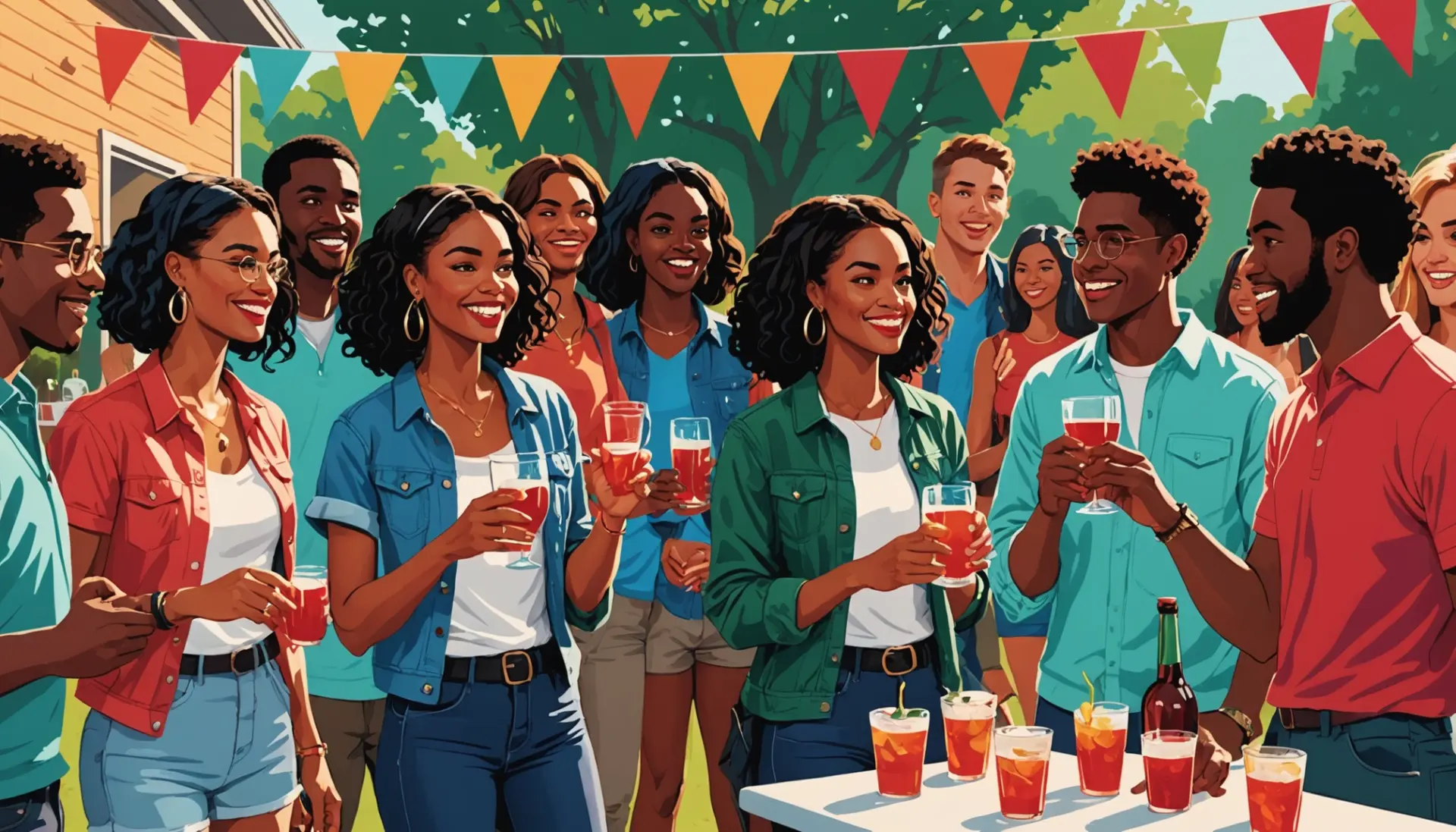

Slang for Alcohol: Quick Primer
Slang for alcohol is one of those tiny language universes people invent to make drinking sound cooler, funnier, or sneakier. You hear it in songs, group chats, frat basements, and brunches where someone orders a “mimosa” and calls it “brunch juice.” Okay so, it tells you something about the vibe more than the bottle.
Words like booze, sauce, and cold ones do more than name a drink. They carry history, region, and even mood. Ngl, some terms are timeless while others are trend-driven and disappear after a summer meme.
Table of Contents
Slang for Alcohol: What People Actually Mean
When someone says “booze” they mean alcohol, sure, but the tone matters. “Booze” is casual, sometimes dismissive. “Spirits” sounds formal. “Sauce” is playful. “Cold ones” has that backyard, friendly energy.
Understanding slang for alcohol is more about register than chemistry. If you call whiskey “rocket fuel” at a fancy tasting, expect a raised eyebrow. Use the right term in the right place and you instantly fit in.
Slang for Alcohol: A Brief History
People have nicknamed alcohol for centuries. Sailors called it “grog” in the 18th century, a nickname that stuck in naval lore. Prohibition spawned clandestine code words, while the 20th century gave us party-era shorthand like “suds” and “barley pop.”
Language evolves with culture. For historical context see Wikipedia – Alcohol and for the idea of slang itself check Merriam-Webster on slang. Those links show how usage shifts alongside social habits.
Common Slang for Alcohol Today
Here are terms you’ll actually hear at a party or in DMs. I’ll keep it conversational, not like a glossary entry you’d snooze through.
- booze: General, everywhere. “Grab some booze for tonight?”
- cold ones: Specifically beer. “We cracked cold ones on the porch.”
- sauce: Playful, often used ironically. “I need some sauce to get through this meeting.”
- liquid courage: When alcohol is framed as bravery juice. “A little liquid courage and I texted them.”
- spirits: Formal, covers distilled drinks. “The spirits selection was amazing.”
- bevvy or bev: Short for beverage, common in some English dialects. “Bring a bevvy.”
- brewskie/brewski: Beer, usually among friends. “Two brewskis please.”
- vino: Wine, sometimes used to sound classy or cheeky. “Vino o’clock.”
Those terms appear in chats, captions, and songs. They let people signal who they are, and what kind of night they expect.
Regional Flavors and Dialects
Where you grew up matters. In parts of the UK, “bevvy” is common. In Australia, “grog” still pops up. In the American Midwest, “pop” for soda lives alongside “cold ones” for beer.
Subcultures also invent versions. Hip-hop scenes might call expensive liquor “top shelf” or “the good stuff,” while college groups have quirky in-group names like “kegger juice.” Want to sound local? Borrow terms from neighborhood slang, not generic internet speech.
Pop Culture, Songs, and Memes
Music and memes shape slang fast. Toby Keith’s “Red Solo Cup” turned that red party staple into a whole mood and meme cycle. Check the meme history at KnowYourMeme – Red Solo Cup. And remember J-Kwon’s “Tipsy”? It made “tipsy” feel like a universal Friday night status.
Artists mention terms intentionally: Drake hasn’t exactly been shy about references to bottles and champagne, which feeds how Gen Z and millennials talk about “bottles” as a status marker. Songs and celebrity usage can propel a term from niche to mainstream overnight.
How to Use Slang for Alcohol Without Sounding Awkward
Here’s the social trick. Match your word to the room. Bars expect casual. Wine tastings expect class. DMs to a friend? Anything goes. You can say “grab some sauce” to your buddy and get a laugh, but don’t toss that at a sommelier.
Examples in real conversation help. People text: “Bringing cold ones, be there in 10.” In a group chat: “We need more booze for the BBQ.” At brunch: “Who wants some vino?” These are how slang for alcohol flows into real life.
“Yo, can you bring some sauce? We’re low on booze.”
— Typical group chat, Tuesday night planning
Real Examples and Tone Guide
Use “booze” for relaxed invites. Use “spirits” to be precise. “Sauce” is for humor. “Liquid courage” signals nervousness turned playful. Simple rules but they save face a lot.
If you want to explore related slang on SlangSphere, check out rizz and bogart for phrases that often pop up in the same chats. For party-energy terms, see lit.
A Quick Note on Safety and Consent
Language can obscure risk. Calling something “sauce” or “punch” doesn’t change alcohol content. Keep track of drinks. Never pressure someone to drink. If slang hides strength or intention, call it out.
Being fluent doesn’t mean you have to be careless. Use slang for sociability, not secrecy.
Final Thoughts on Slang for Alcohol
Slang for alcohol is a mirror to how we party, protest, hide, or celebrate. It signals mood, status, and sometimes location. It’s playful, functional, and occasionally problematic.
So next time someone says “bring the sauce,” you’ll know what they mean, and maybe where that word came from. Want more slang breakdowns? Our site has deep dives on lots of terms, and we keep updating as language moves.