


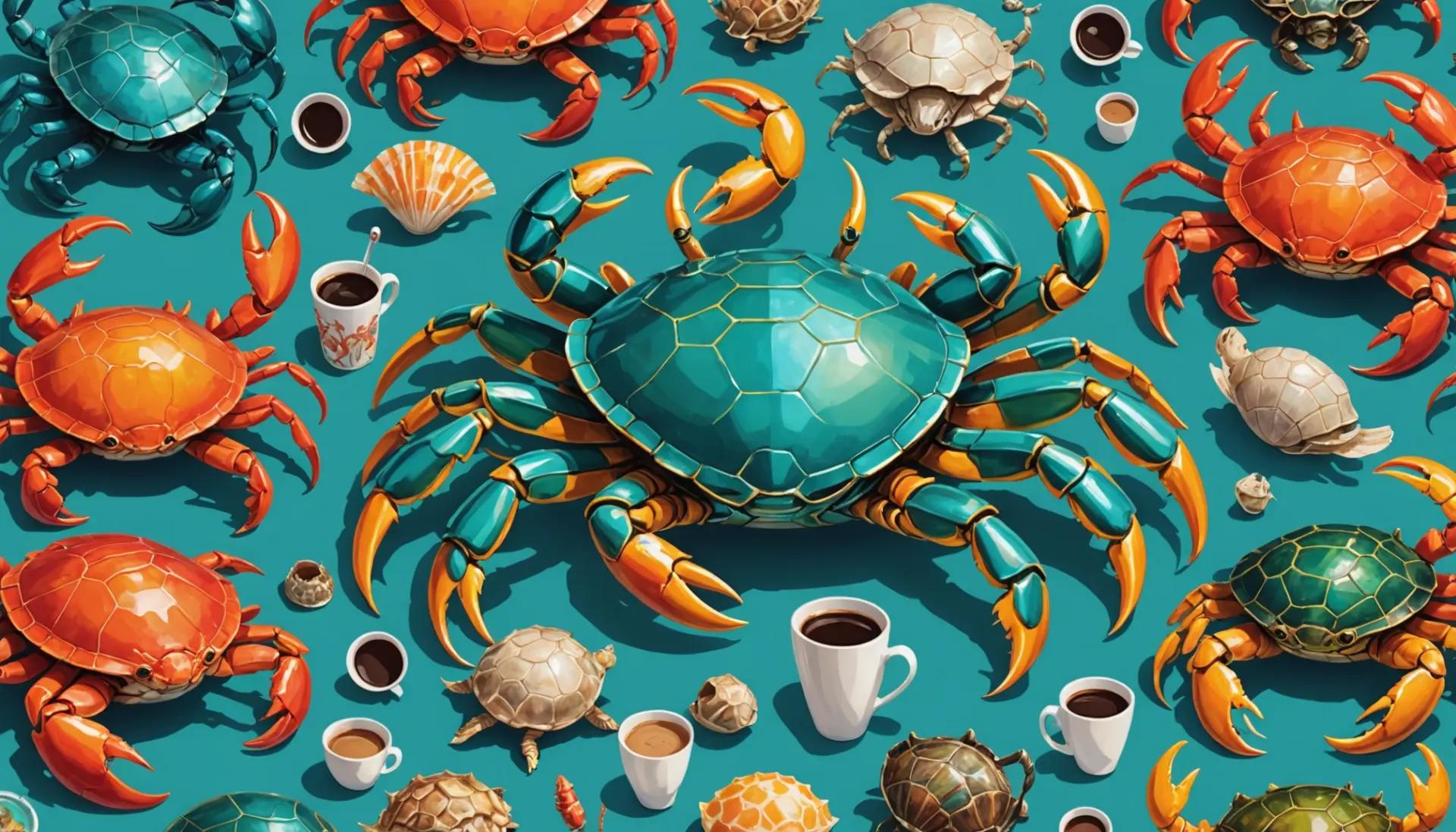

If you searched what does carapace mean, you probably saw it in nature writing or a fantasy game and wondered why everyone sounds fancy about shells. The phrase what does carapace mean pops up in science texts, literature, and yes, sometimes as a metaphor on Twitter. I promise, it is not just an excuse for academics to sound grand.
Table of Contents
What Does Carapace Mean? Origins
The phrase what does carapace mean traces back to Latin and Old French roots. Carapace comes from Medieval Latin carapacea, which itself borrowed from Greek karapax, meaning the shell of a crustacean. So that fancy sounding sentence in your bio class is just history doing its job.
Think of etymology like a backstage pass. It tells you why writers from Darwin to modern fantasy authors pick that particular word rather than just saying shell. If you want the quick dictionary take, check Merriam-Webster for a precise definition.
Carapace Anatomy and Biology
Biologically, a carapace is the hard upper shell of animals like turtles, crabs, and some arachnids. It protects internal organs and offers a surface for muscle attachment. The term shows up a lot in zoology and marine biology because it is specific: not every shell is a carapace.
For a science-y deep read, the Wikipedia entry on carapace gives diagrams and taxonomic context. If you picture a crab scuttling sideways in a nature doc narrated by David Attenborough, that hard protective plate across the back is the carapace.
What Does Carapace Mean? Modern Slang Uses
Okay so here is the part that actually lands in slang conversations: carapace is used metaphorically to mean a protective emotional shell. People will say someone ‘‘has a carapace’’ to mean they are guarded, closed off, or emotionally armored. You will hear it in therapy memoirs and online threads where emotional labor gets discussed.
Ngl, saying carapace instead of shell sounds cooler and slightly more literate. Gamers and fantasy nerds also use carapace to describe armor pieces in RPGs, like “carapace armor” in Elden Ring style descriptions. It reads better on a tooltip than plain old “shell armor.”
Real Examples and How to Say It
Want authentic examples? Here are actual-style snippets you might see in DMs, captions, or comments. These are the sort of lines that make the term feel alive and conversational.
“She walked into the party with this carapace, like nothing got past her. I tried to chat but it felt impenetrable.”
“After the breakup I put on a carapace. Not proud of it. Just tired of getting hurt.”
“Equipped: Beetle Carapace. Defense +12, Struts of Imposter Syndrome -3.”
Those examples map how people slide the word into modern speech. Use it when you want the vibe of ’emotional armor’ but with a sharper literary edge. People reply with variations: carapaced, carapacing, wearing a carapace. Language morphs fast, and this word flexes nicely.
Carapace in Culture and Media
Carapace pops up in films, books, and songs where imagery matters. For instance, fantasy novels love it as a way to describe monstrous armor or ancient beasts. In anime and games, the term often tags bio-armored characters. It gives a tactile picture beyond “armor.”
Even pop culture references slip in. Remember Teenage Mutant Ninja Turtles? Their shells are literal carapaces, which made a generation obsessed with protective shells and pizza. More seriously, natural history documentaries show crabs and turtles using carapaces to survive predators. That footage is textbook visual reinforcement.
If you want an authoritative definition to cite in writing, head to Merriam-Webster, and for taxonomy context check Wikipedia. Both sites are useful and reliable for fact-checking when you are using the term in an essay or article.
When to Use It, and When Not To
Use carapace when you want precision or a slightly formal or poetic feel. It fits in a descriptive sentence, an emotional metaphor, or a fantasy game item. It elevates the sentence, like swapping plain denim for a cool jacket.
Do not use carapace if you are trying to be ultra-casual in a group chat where someone might blush. Saying “shell” or “shield” sometimes works better if you want to be direct. Language is about fit: carapace is elegant, not always cozy.
Final Thoughts
So, what does carapace mean in the broadest sense? It is a protective shell in biology and a tidy metaphor for emotional armor in slang. The phrase what does carapace mean will keep showing up whenever people want something that sounds literate and tactile.
Honestly, I like it. It is specific, a little dramatic, and useful in multiple registers. Try it in a sentence, then try the casual equivalent, and you will feel the shade shift. Want more words like this? Check out bogart or glow up for other slang that moved from niche to normal use.
For additional reading, see Wikipedia on carapace and the Merriam-Webster definition. If you found yourself asking what does carapace mean and now feel a little smarter, mission accomplished.