



Dogging Slang Meaning: Quick Intro
Dogging slang meaning pops up online and IRL in two very different ways, and that split is what makes the term confusing for people who just heard it once. Honestly, one use is blunt and sexual, rooted in UK subculture, and the other is the more pedestrian sense of being followed, hassled, or talked about. Both sit under the same word, but they do not mean the same thing. Context rules here. Big time.
Table of Contents
What Is Dogging Slang Meaning?
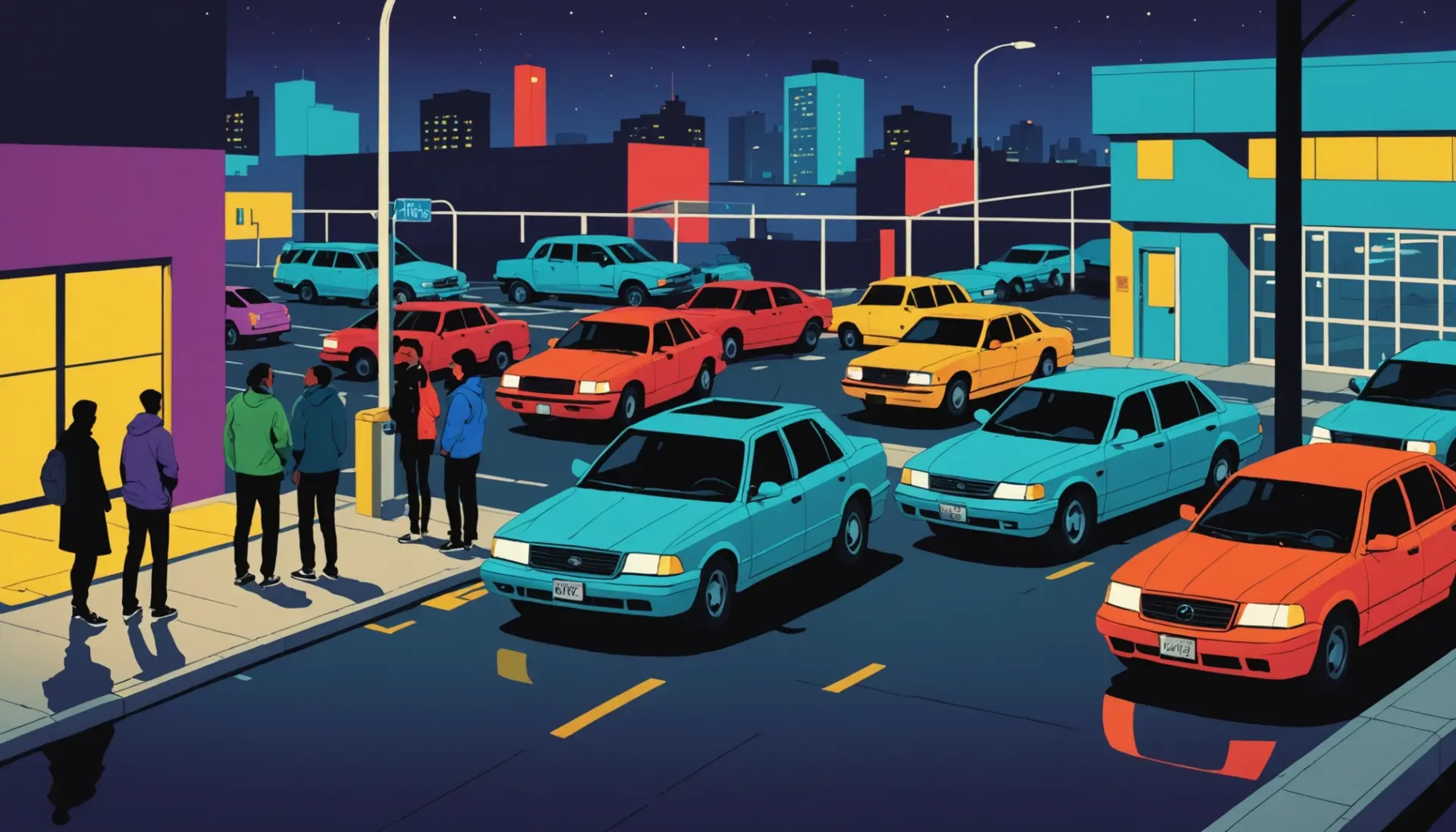
When you search for dogging slang meaning, you will find two main threads. The first is the British sexual practice where people meet in public places, usually car parks or secluded outdoor spots, to have sex or watch others. It became a specific subculture with its own etiquette and rumors. The second meaning is non-sexual: someone following you, pestering you, or dogging you in the sense of stalking or nagging. Same word, different vibes.
History of Dogging Slang Meaning
The dating of the phrase is messy, but public reporting of ‘dogging’ as a sexual phenomenon goes back to the late 1990s and early 2000s in the UK. Tabloid coverage and message boards energized it into a headline-grabbing subculture. If you want a baseline source, Wikipedia covers the phenomenon with historical context and links to coverage: Dogging (sexual slang) on Wikipedia.
The non-sexual sense, where someone says they are being dogged or that someone is dogging them, is older and ties into the verb ‘to dog’ meaning to follow relentlessly. For a formal linguistic record of that verb sense, Merriam-Webster captures the basic definitions: Merriam-Webster: dog. Language evolves, and slang meanings layer on top of older verbs all the time.
How People Use Dogging Slang Meaning Today
If you want real-world examples of dogging slang meaning, look no further than courtship gossip and neighborhood chat. Someone might text: ‘He keeps dogging me after we left the party,’ meaning he keeps following or hitting them up. In another group chat, you might see: ‘Mate, did you hear about the dogging in the woods last night?’ and that is the sexual usage, blunt and explicit. Same word. Different settings.
‘I thought he was joking, but then he was at the car park. People were dogging and watching. Totally wild.’ — typical phrasing you might find in a UK forum
On Twitter and TikTok the term still surfaces, sometimes used to provoke or shock. Influencers have posted about the phenomenon, and journalists covered it when it made the rounds in tabloids. NgI, if you grew up outside the UK you might only know the ‘being followed’ sense, but both meanings are active online.
Legal and Social Risks Around Dogging Slang Meaning
Talk about dogging slang meaning without recognizing the risks is naive. The sexual form often occurs in public spaces, which invites police intervention, sanitation concerns, and privacy violations. There have been local crackdowns and council statements in the UK addressing public indecency tied to dogging. It is not just a cheeky meme, it has real-world consequences.
The non-sexual meaning, being dogged or followed, can cross into harassment or stalking. People who use ‘dogging’ to describe repeated unwanted attention are often signaling distress, not a joke. If you want a primer on how language intersects with law, reading news sites and legal glossaries helps. Also check mainstream dictionaries and local police guidance when public conduct is involved.
How to React When Someone Says Dogging Slang Meaning
So you overhear someone say ‘dogging’ and you are not sure which they mean. How do you respond? Context is your friend. Where are you? Are you in a UK gossip thread or a neighborhood safety chat? Ask a clarifying question. Seriously. Say, ‘Do you mean followed or the other thing?’ People use the word casually and that creates awkward moments. Honesty works.
If someone is describing being dogged in the sense of harassment, offer support, not jokes. If the conversation is about the sexual subculture and you are unsettled, it is okay to step away. Boundaries matter. And if the discussion involves illegal activity, recommending professional help or reporting to authorities is reasonable.
Real Conversation Examples Using Dogging Slang Meaning
Below are realistic snippets you might hear on chat apps. Names and details are plausible but not tied to specific people.
- ‘Bro, I think that dude is dogging me home. Should I call someone?’ — someone worried about following or stalking.
- ‘They were asking about dogging spots; I had no idea people actually meet up like that.’ — a UK English speaker talking about the sexual meaning.
- ‘Stop dogging my playlist, man’ — a playful, regional twist meaning copying or clinging to someone, more metaphorical usage.
These examples show the range. Usage depends on the crowd. If you are researching slang for an article or a screenplay, make sure you match the intended audience’s meaning. Tone, place, and medium will tip you off fast.
Further Reading and Sources
If you want to go deeper into the sexual subculture side of dogging slang meaning, Wikipedia’s entry is a decent starting point and includes sources to follow. For the older verb sense and more formal definitions, Merriam-Webster documents ‘to dog’ as follow or pursue. Both links provide citation trails if you are writing something more formal.
For a cultural angle, local UK reporting and features in papers like The Guardian or BBC have chronicled the phenomenon over the years. Pop culture mentions have bubbled up on forums and social media, which explains why the slang stuck around and mutated.
Want to compare other slang that changed like this? See our takes on bogart slang meaning and rizz slang meaning for more examples of words that split meanings across time and place.
Conclusion: Why Dogging Slang Meaning Still Matters
Knowing the different angles of dogging slang meaning saves social embarrassment and sometimes prevents danger. Language is messy. Words pick up new coats of meaning depending on region and subculture. So, when you hear ‘dogging,’ pause for context, ask a clarifying question, and then react with common sense. And ngl, some of the tabloids made the whole phenomenon louder than it needed to be. But that is part of how slang survives.