


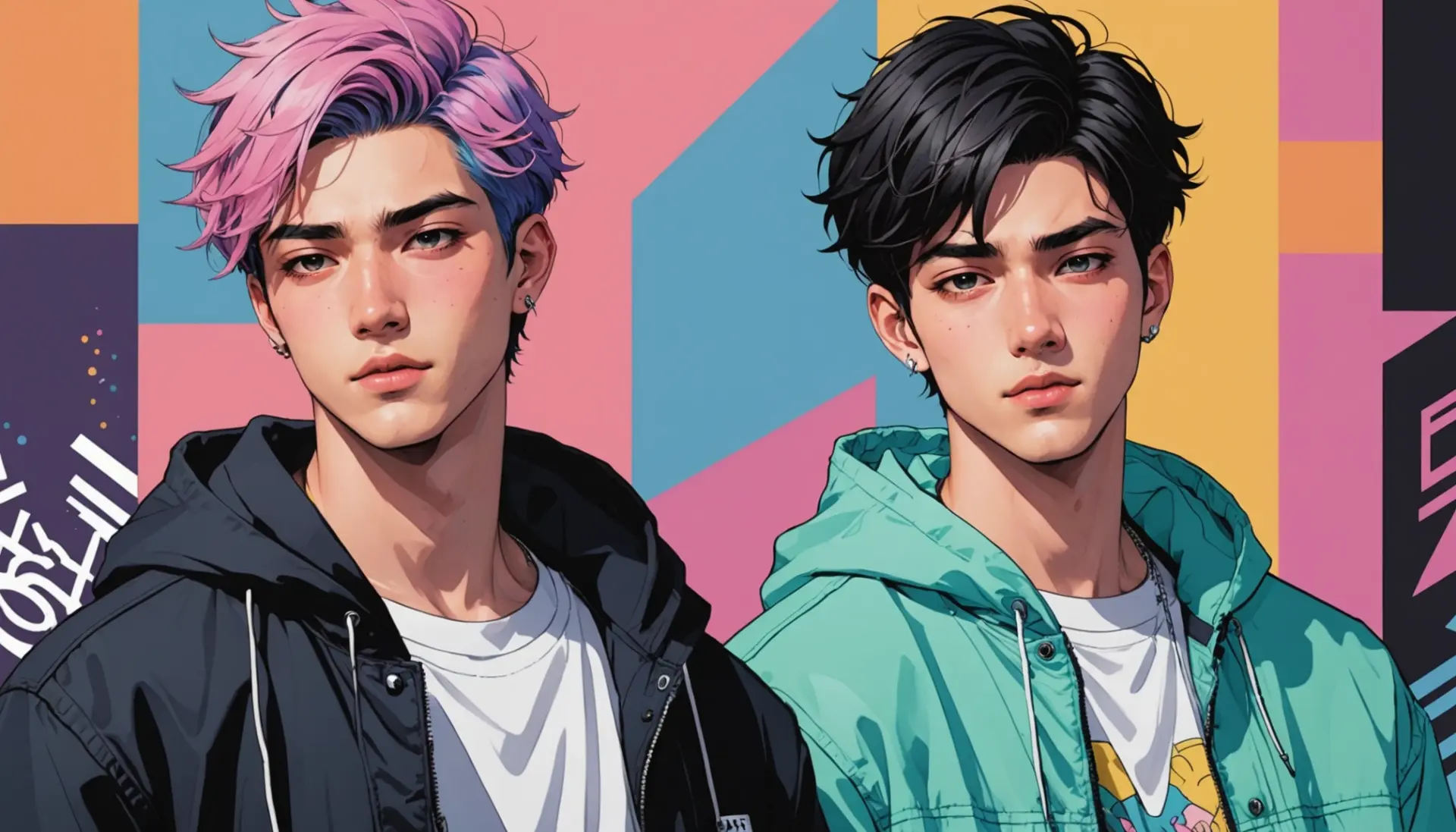

what does yaoi mean is a question I get all the time from friends who stumble into anime or queer fandom threads and go, wait, what even is that? Yaoi is a shorthand people use online and in fandoms to refer to male/male romance stories, usually in manga, anime, or fanfiction contexts. But like most short labels, it carries history, baggage, and different meanings depending on who you ask.
Okay so, if you want the quick version: yaoi generally points to romantic or erotic works that focus on relationships between men, often created by women for a mostly female audience. It overlaps with Boys’ Love, slash, and shounen-ai, but those words are not always interchangeable. Ngl, the nuance matters to fans.
Table of Contents
What Does Yaoi Mean? A Clear Definition
When someone asks what does yaoi mean, they want the core idea: stories about men in romantic and often sexual relationships. These can be fluffy, angsty, explicit, or quiet. The label is mostly used for Japanese-origin comics and fanworks, though Western slash fiction often fills the same cultural role.
People online will sometimes use yaoi casually, like, “That show has so much yaoi energy,” meaning it gives off vibes that invite male/male shipping. Others use yaoi specifically for erotic doujinshi or manga with explicit content. Context is everything.
What Does Yaoi Mean? The Origins and the Name
The term yaoi reportedly started as an acronym among doujinshi creators, from the phrase “yama nashi, ochi nashi, imi nashi,” which joked about stories with “no climax, no real plot, no meaning.” That mouthful became yaoi, and the name stuck as the genre grew. For a quick reference check, see Yaoi on Wikipedia.
Over time, publishers and fans started using the broader label Boys’ Love, or BL, which sounds more marketable and less jokey. If you want a short history in fandom terms, Boys’ Love (BL) on Wikipedia is a decent primer.
Yaoi vs BL, Slash, and Bara
People who ask what does yaoi mean often want to know how it differs from related terms. BL tends to be an umbrella term used in Japan and by publishers, covering a range from romantic to explicit. Yaoi is more of a fan-originated, sometimes slangy label with a sense of doujinshi roots.
Slash is the Western cousin: fandom-created stories pairing two characters romantically, like Kirk/Spock or Harry/Draco. Bara is something else: it typically refers to gay men writing for gay men, often with different aesthetics and body types. These differences matter to creators and fans, so watch your assumptions.
Who Makes Yaoi and Who Reads It
Most yaoi historically was created by women and consumed by women. That dynamic shaped tropes, character types, and storytelling choices. Creators were often exploring desire and relationships with a degree of freedom that mainstream romance did not offer.
But fandoms change. Some yaoi creators are men, and many readers are queer men too. Shows like Given and Junjou Romantica brought BL into streaming landscapes and hooked diverse audiences. If you want to see how mainstream it got, look at anime platforms and streaming picks over the past decade.
What Does Yaoi Mean in Conversation: Examples
People use yaoi in conversation in a few common ways. Sometimes it is descriptive, sometimes playful, sometimes critical. Here are real-feeling examples you might overhear online or in a group chat.
-
“Low-key this anime has major yaoi vibes.” That means the show invites male/male shipping without being explicit.
-
“There’s a bunch of yaoi doujinshi for that pairing, it’s wild.” Here the speaker means fan-made erotic comics.
-
“I prefer BL that’s more romantic than yaoi.” Someone using yaoi to mean the more explicit fare versus milder BL.
“I shipped them so hard, 100% yaoi energy.”
In chats, people will also say things like “Don’t start with the yaoi headcanon,” meaning they have an imaginative, romantic take on two male characters. See how flexible the term is? Context clues do the heavy lifting.
For contrast, check how Western fandom uses slash fiction to describe similar behavior, because that helps map the cross-cultural overlap.
Controversies and Criticisms
Not gonna lie, yaoi attracts criticism. One recurring issue is the sexualization of characters who look underage, which is a real concern for advocates and platforms. People also critique how gay relationships are sometimes fetishized rather than portrayed with realism and care.
Conversely, fans argue yaoi creates space for exploring gender and desire outside mainstream constraints. Some academic work dives into this nuance, and if you want to read deeper, scholarly articles and cultural analyses are worth exploring. The conversation is messy and often necessary.
Final Takeaway
So what does yaoi mean? It is shorthand for male/male romance media that started in fan and doujinshi culture, often overlapping with BL and slash but with specific historical roots. People use it loosely, sometimes to mean explicit content, sometimes to mean vibe or headcanon energy.
If you are stepping into fandom spaces, listen first. Ask what someone means when they say yaoi, because answers will vary. And if you want to read examples, try a modern BL anime like Given, or older classic manga to see the range. Oh, and if you want related slang breakdowns, we have pieces on rizz and shipping that pair nicely with this one.
Final note, honestly: words like yaoi are alive. They shift as fans make new art and as culture changes. So yeah, the answer to what does yaoi mean might evolve, but now you have the map to read the signs.