


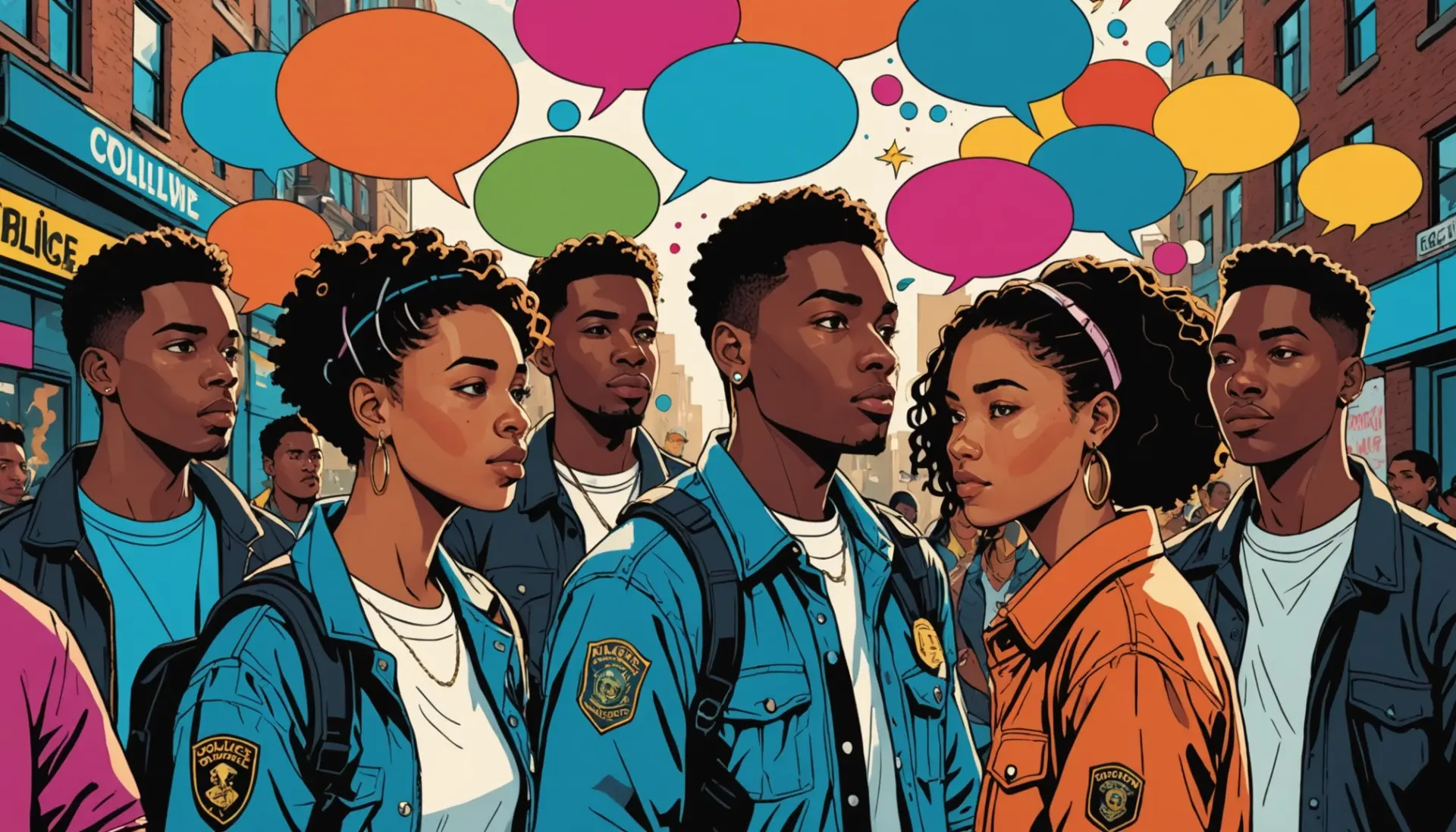

Intro: What “cops, in slang” Actually Covers
Cops, in slang, is a tiny phrase with huge cultural weight, and yes, people use it everywhere from protest signs to Tinder bios. The way folks refer to the police tells you about context, history, and mood: joking, fearful, defiant, or reverent. I want to map the popular terms, how they landed in our lexicon, and when they can land you in awkward territory. Cool? Let us go.
Table of Contents
Common Terms for cops, in slang
There are dozens of nicknames for cops, in slang, and they range from affectionate to outright hostile. Classic shorties like cop and copper sit next to gritty classics such as the fuzz and the pigs. Then you get regional favorites: po-po and popo are everywhere online, 5-0 comes from the TV show Hawaii Five-O and shows up in rap and street talk, and the heat tends to imply serious enforcement like drug or vice units.
Other entries include the man, the boys in blue, narcs, and rent-a-cop for private security. Words like bacon or pig are intentionally insulting and have a history tied to protest language. Meanwhile, blue lives slang like boys in blue can be neutral or supportive depending on delivery.
History of cops, in slang
Why do so many nicknames exist? Because language around authority has always been charged. Cops, in slang, evolved as people tried to talk about law enforcement without saying it outright, or while signaling a stance. Early 20th century slang gave us copper. By mid century the fuzz and heat showed up in crime novels and TV. Hip hop and punk amplified certain terms into broader culture.
Music and TV pushed a few words global. N.W.A. shouted their contempt in the late 80s, while KRS-One and others used the phraseology to critique policing practices. The reality show Cops made some terms feel everyday, and the Hawaii Five-O franchise cemented 5-0 in the lexicon.
Tone and Context: When to Use cops, in slang
Context matters more than you think. Saying cops, in slang, at a protest feels different than using the same word in a group chat. If you want to be informal and light, po-po or cop might land fine. If you want to be provocative or angry, words like pigs or bacon telegraph that instantly. There are legal and social risks tied to tone, so head up.
Also remember generational differences: older folks might hear fuzz and think old-school crime films, while Gen Z is more likely to text po-po or 12. In creative spaces like music, slang often shifts toward metaphor. In newsrooms they avoid slang almost always.
Real Examples and Conversation Lines
Okay, you asked for how people actually use these words. Here are authentic-feeling lines you might see in texts, tweets, or overheard at a party. I wrote these to sound like real speech, ngl.
Text from a friend: “Heads up, the po-po is cruising past the corner, keep it chill.”
Group chat: “Is that 5-0? Nah it’s just a parking cop.”
On Twitter after a protest: “They came in full riot gear, cops, in slang called the scene absolute overkill.”
And some lines from culture: KRS-One’s “Sound of da Police” and N.W.A’s “Fuck tha Police” popularized blunt, confrontational language about law enforcement. In comedy, shows like Brooklyn Nine-Nine use police-adjacent nicknames for laughs, which softens the sting. The tone is everything.
Legal and Social Risks Around Using cops, in slang
Here’s the practical part. Using slang for police can get you noticed. In some settings calling officers names could escalate a situation. In online spaces it might flag content for moderation or attract doxxing by bad actors. People have lost jobs over incendiary posts, so think before you tweet a line that uses inflammatory slang.
That said, slang is also how communities process injustice. Protesters have long used hard-hitting nicknames to call attention to abuse of power. The language choice tells you community stance and history, literally mapping trust or mistrust in two words.
Nuance, Power, and Politics of cops, in slang
Slang around police is never neutral. When a neighborhood says the po-po, it is shorthand for lived experience, not vocabulary games. When a late-night host calls them “the fuzz” for a joke, it’s comedy. When a community uses pigs as an insult, it has a lineage tied to protest movements and police brutality coverage.
So why does this matter? Language shapes empathy and policy debates. The terms people choose can escalate conflict or foster solidarity. Oddly, sometimes institutions co-opt slang to sound relatable. That rarely goes well.
Further Reading and Resources
If you want to read more and check some sources, here are a few authoritative pages I used and recommend.
Wikipedia: Police gives a broad history and function of police organizations. For word origins, Merriam-Webster: cop breaks down etymology and usage. And if you want memetic context for terms like po-po or 5-0, Know Your Meme is a useful archive.
Conclusion: Be Smart With cops, in slang
Cops, in slang, is a compact way to talk about a big topic. Use it to signal tone, to fit regional speech, or to make a point. But also be conscious: words carry history and consequence. If you want to switch tone, try cop or officer in mixed company, and save the spicy stuff for friends or art where the risk is understood.
Language evolves, and how we name power is part of that evolution. Keep listening to the culture around you and pay attention to how people from different communities react to terms. That’s the real lesson here.