


What Does Neo-Noir Mean? Quick Coffee-Chat Intro
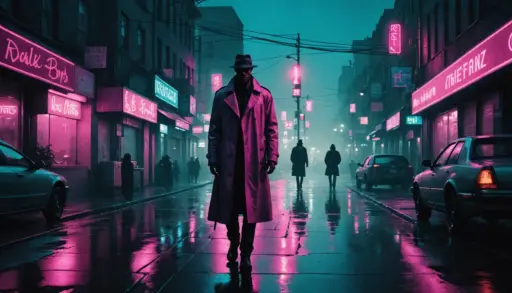
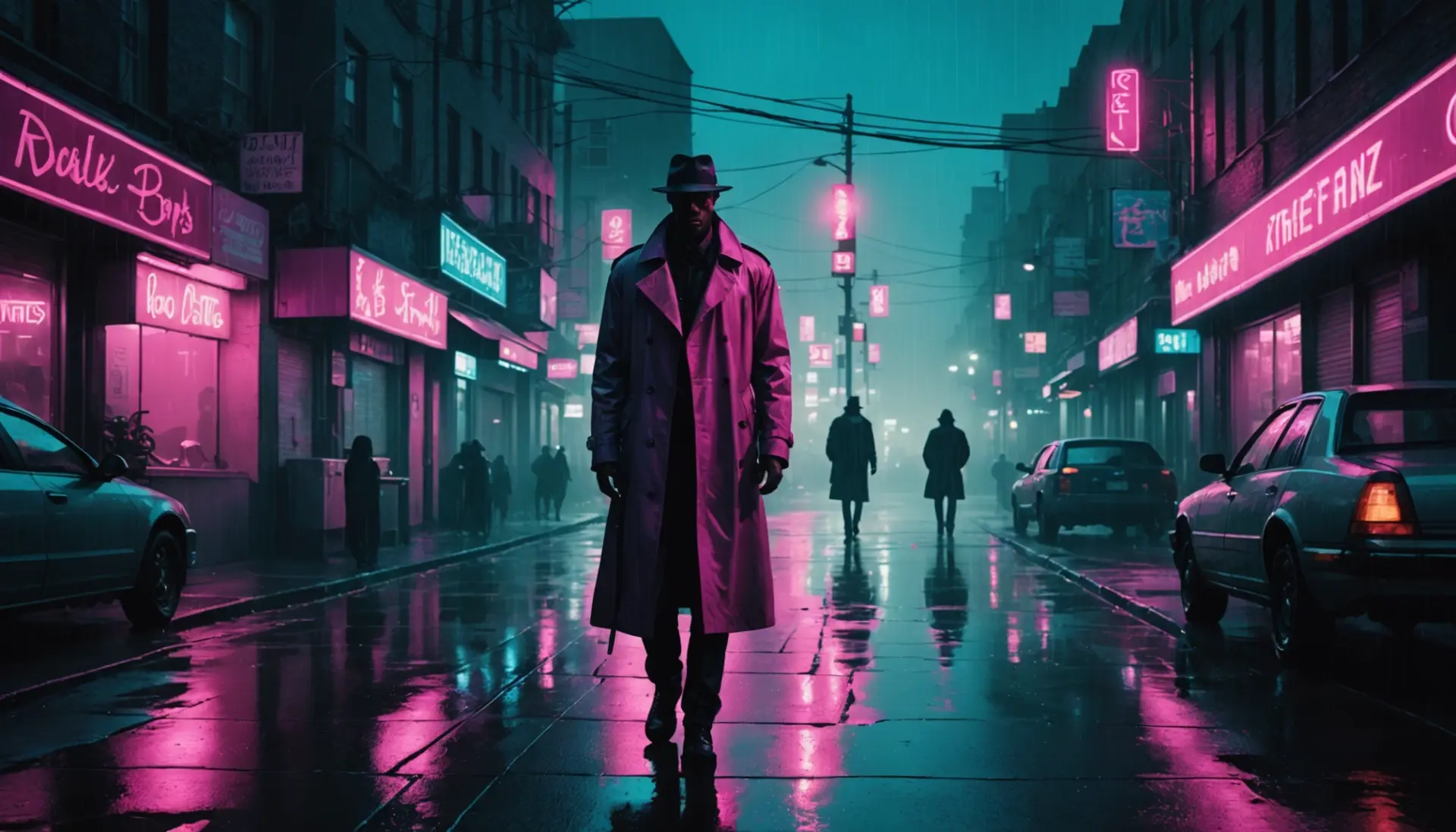
what does neo-noir mean, you ask? Okay so, in plain terms it’s a modern take on classic film noir vibes, with a moodier color palette and updated concerns. Think less trench coats on rainy streets, more neon reflections and moral messiness that tastes like late-night playlists.
People toss the phrase around casually now, and ngl it’s become shorthand not just for movies but for aesthetics, music videos, photography, and even clothing fits. You’ll hear it on Twitter, in film classes, and in group chats when someone posts a moody screenshot from Blade Runner or Drive.
Table of Contents
What Does Neo-Noir Mean? A Clear Definition
When someone asks what does neo-noir mean they usually mean a work that borrows the moral ambiguity, crime-centered plots, and shadowy aesthetics of classic noir, but updates them for contemporary life. That can mean modern technology, contemporary social anxieties, or stylistic experiments with color and sound.
So yes, it’s a label that sits between homage and reinvention. It honors the film noir blueprint while messing with the rules, often in ways that feel intentionally stylish and emotionally complicated.
Roots and History
Neo-noir didn’t come out of nowhere. Classic film noir flourished in the 1940s and 1950s, with films like Double Indemnity and The Maltese Falcon setting the template. The recovery and reimagining of those themes started bubbling in the late 1960s and picked up through the 1970s and beyond.
If you want a quick primer, check the Wikipedia entry on neo-noir or the broader film noir history on Film Noir. Critics and scholars often trace modern neo-noir to movies like Chinatown and Taxi Driver, which updated noir ideas for a modern audience.
Visual Style and Themes
So what does neo-noir mean visually? Expect high contrast lighting, but with a modern color sensibility: neon pinks, cyan glows, and saturated shadows replacing the strict black-and-white chiaroscuro of classic noir. Directors like Denis Villeneuve or Nicolas Winding Refn play with light the way jazz drummers play with syncopation.
Theme-wise, neo-noir usually keeps the moral gray zones. The protagonists are often flawed, the institutions untrustworthy, and the endings rarely saccharine. It’s more about mood and moral feedback loops than tidy closure.
Modern Examples and Pop Culture
Want names? Movies like Blade Runner, Drive, and Sin City all get called neo-noir in different ways. TV shows like True Detective season one borrow the mood and narrative opacity, even if they bend the formula.
The aesthetic has leaked into music and fashion too. Think The Weeknd’s early visuals, or Paris rooftop photos drenched in neon on Instagram. Even TikTok users tag videos #neonoir to describe moody transitions and retro-wave soundtracks.
How People Use Neo-Noir in Conversation
Here are real ways people actually use the phrase, because context matters. These are the kind of lines you might screenshot from a chat thread.
Friend 1: “That new show feels neo-noir.”
Friend 2: “What does neo-noir mean though? Like, it’s just dark?”
Friend 1: “Dark, stylish, morally shady characters, and neon. Basically Drive vibes.”
Moviegoer: “This cinematography is straight neo-noir aesthetics. The color grading is wild.”
Notice how people use the phrase almost interchangeably with “vibe” or “aesthetic.” Sometimes it’s precise, like when critics analyze plot and genre. Other times it’s casual shorthand for “coolly moody.”
Examples in short chatty lines: “That playlist is so neo-noir” or “His outfit is neo-noir chic.” Those are genuine, and they show the term’s drift from a strict film category to a broader cultural descriptor.
Final Take: Why the Term Keeps Sticking
To circle back, what does neo-noir mean? It means a lineage and an attitude: noir’s moral knot, reconceived with contemporary tools and tastes. It’s stylish, often bleak, and frequently obsessed with identity and corruption. And honestly, it’s fun to say.
It also matters because terms like neo-noir show how genre labels mutate and expand. What started as a narrow film-history tag now helps describe songs, feeds, and fashion drops. For a deeper academic interpretation try a reputable essay or book on genre, or glance at Britannica’s entry on noir for a classic overview here.
If you liked this and want more slangy cultural breakdowns, check out related takes on film noir and the vibe-focused piece on noir aesthetic on SlangSphere.
Okay so, there you go. Use neo-noir when you want to sound specific and cultured, or when you want to flex a mood board. Either way, it’s a useful tag for modern gloom with style.