


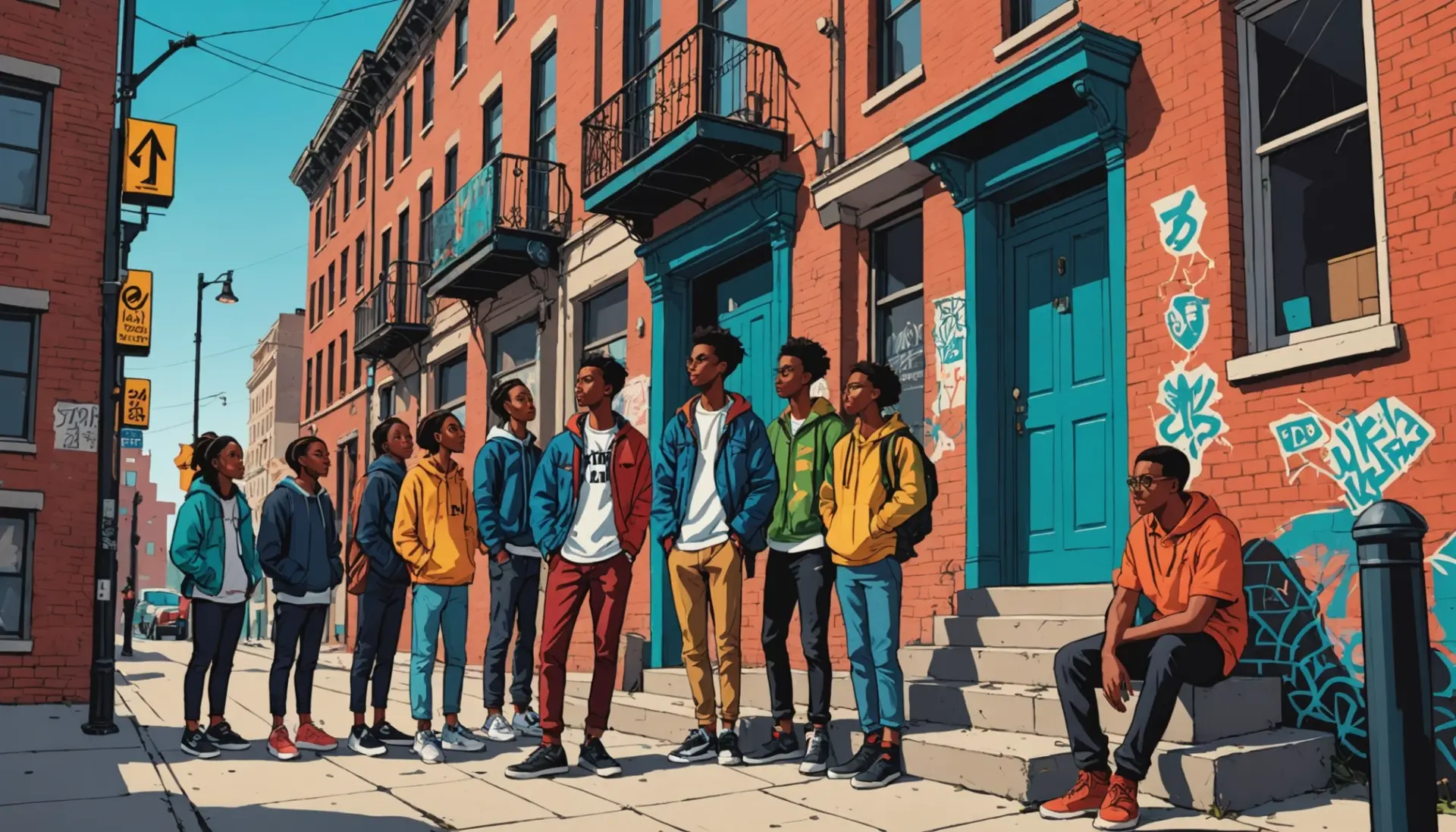

What Does Turf Mean in Slang? Quick Take
what does turf mean in slang? Short answer: it usually means territory, ownership, or an area someone claims, but the vibe and stakes change depending on context.
Okay so, that line alone doesn’t cover everything. Turf can be casual, playful, or seriously territorial. Context matters more than you think.
Table of Contents
What Does Turf Mean in Slang? Origins and History
The word “turf” itself goes way back to Old English, originally meaning a patch of grass or sod. The modern slang meaning as “territory” evolved naturally from that physical idea: a patch of land belonging to someone.
By the 20th century, “turf” showed up in police reports and newspapers describing “turf wars”, meaning gang disputes over areas. Hip-hop and crime reporting in the late 20th century cemented the word in street vernacular, so you see it across music, film, and news.
References like the Wikipedia turf war page give the historical angle, and dictionary entries explain the broader senses, for example Merriam-Webster.
Different Meanings and Contexts of “Turf”
One thing I always tell friends, ngl: “turf” can mean different things depending on vibe. In gang or crime talk, it is literal territory, the area a group controls. In sports, a player might defend their “turf” meaning home field advantage.
Then there’s casual social use. Someone might say, “That’s my turf,” about a bar, a city neighborhood, or even a group chat where they always start threads. It becomes about social ownership more than physical control.
Finally, metaphorical uses pop up: academics talk about “turf” when disciplines fight over subject matter. Corporate teams claim “turf” for projects. So the stakes compress or expand based on setting.
Real Examples of Turf in Conversation
Examples help. Here are real-feeling lines you might hear in different scenes.
Friend texting: “Yo, that’s my turf, you invited him last week.”
Hip-hop lyric vibe: “They tried to step on my turf, now they duckin’ all week.”
Neighborhood chat: “We don’t go over there much, that’s not our turf.”
Those show the same root meaning but different tones. The first is possessive but casual, the second aggressive, the third observational.
Also, memes and online threads sometimes use “turf” ironically. Like when fandom groups argue, someone will mockingly declare, “This ship is my turf.” Pop culture moments, like local artists shouting out their boroughs in songs, keep the slang current.
How to Use “Turf” Without Sounding Weird
Want to drop “turf” in convo? Match tone. If you say “That’s my turf” about a seat at a coffee shop, people will get the joke. But don’t use it jokingly in tense situations where people actually care about territory.
Subtle tip: pair “turf” with context words like neighborhood, spot, or scene. So: “That’s my turf, I run the trivia nights at that bar.” It signals social ownership, not violence.
Also, watch out for cross-cultural nuance. In some communities “turf” can carry heavy gang connotations. If you are an outsider, be mindful and listen first.
Related Slang and Cultural Connections
“Turf” links to other words like “block”, “hood”, “crib”, and “territory.” In rap, shout-outs to boroughs are turf flexes. Think Nas shouting Queensbridge, or Kendrick referencing Compton. Specific places act like badges of identity.
Online, words like “stan” or “ship” work similarly when groups claim cultural ground. For site context, check out related pages on SlangSphere like rizz, cap, and goat. Those pages show how slang moves from niche to mainstream.
Usage Notes and Safety
Quick heads-up: using “turf” in reporting or fiction about crime should be accurate. Don’t casually attribute gang activity to neighborhoods you don’t know. Language can stigmatize, and words like “turf” are loaded in some contexts.
If you’re writing a character or caption, make it clear whether you mean playful claim or dangerous control. Tone cues and setting will do the work.
Sources and Further Reading
Want to read more? A couple of solid references: the Wikipedia entry on turf war for historical context, and the Merriam-Webster definition for formal senses. For memetic and cultural traces, Know Your Meme catalogs how terms trend online.
And of course, real use is best learned by listening: check lyrics, local interviews, and community forums to see how “turf” lands in specific places.
Final Thoughts
So, what does turf mean in slang? It’s territory, ownership, or a social patch someone claims, and it can be playful, proud, or dangerous depending on context.
Language shifts fast. Turf might sound old-school to some and totally alive to others. Either way, use it with context, a little respect, and you will be fine.
Got a weird usage you heard? Send it my way and I’ll help decode it.