


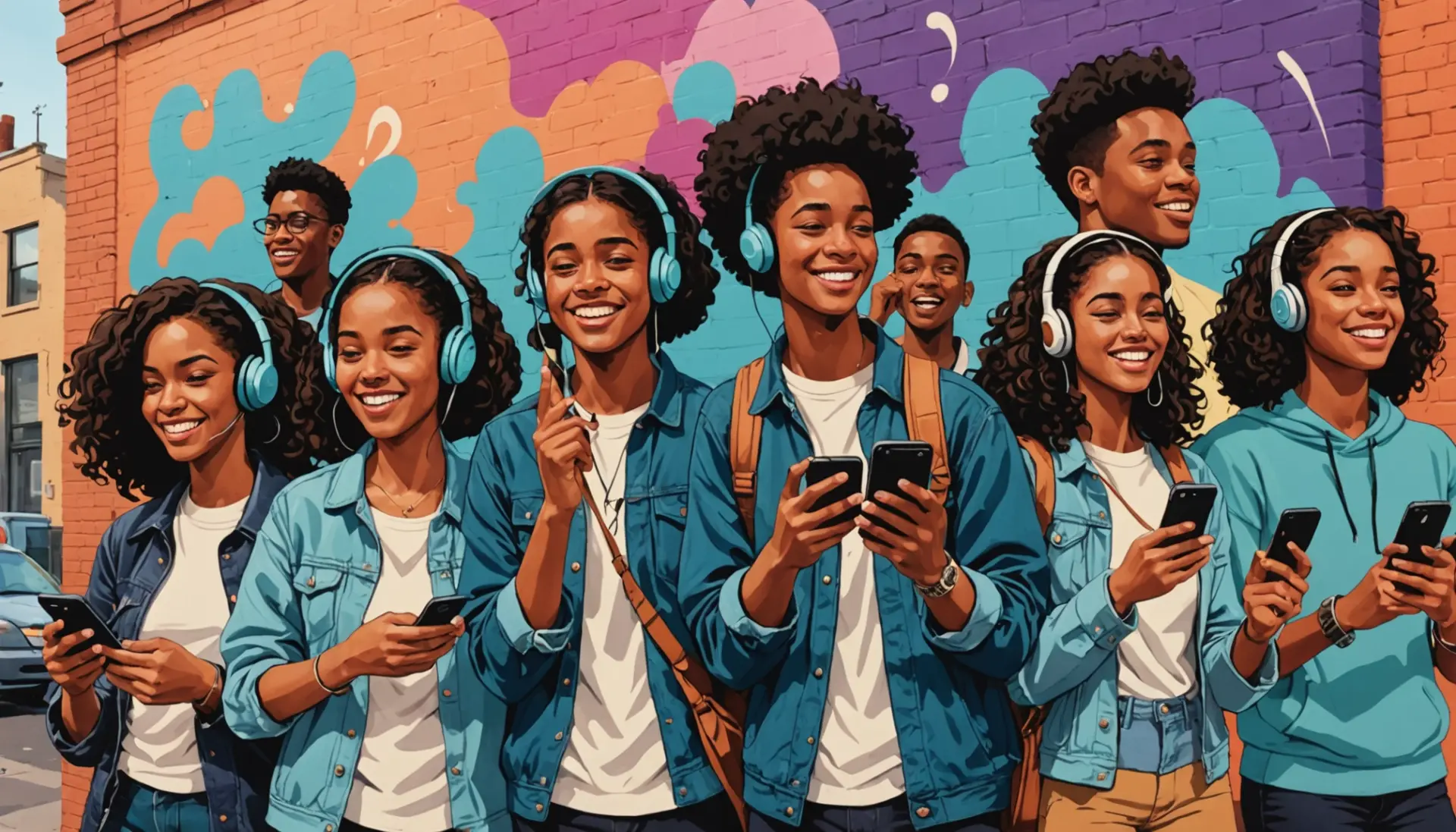

Aye Slang: Quick Take
Aye slang is a tiny word with a lot of moods, and it shows up in texts, songs, and random walk-by conversations more than you think.
Okay so, ngl, you probably already hear people say “aye” in different ways and mean totally different things: greeting, agreement, hype, or just an adlib. This post untangles those threads without sounding like a boring dictionary.
Table of Contents
What Aye Slang Means
The phrase “aye slang” covers several uses that depend on tone, region, and platform. Sometimes “aye” functions like “hey” or “yo,” a greeting meant to grab attention quickly. Other times it reads as emphatic agreement, basically a slangy “yes.”
People also use “aye” as a hype-up or punctuation—an adlib tossed into a beat in rap or into a group chat to signal energy. Context is everything: the same single-syllable can be casual, hype, serious, or ironic.
How to Use Aye Slang
If you want to try “aye” in your own speech, mimic tone first. A short sharp “aye” like “aye, bet” equals agreement. A drawn-out “aaaaaye” is hype, like when someone walks into a party and the DJ switches tracks.
Text and voice memos are where this word thrives because you can control tone. Try it with friends: say “aye” before delivering a playful roast, or drop it after a plan to lock something in: “We going out Friday? Aye.”
Origins and History
There are a few threads feeding modern “aye” usage. Historically, “aye” appears in English as a formal yes, recorded for centuries and recorded on pages like Wikipedia. That formal root sits next to regional flavors from Scotland and northern England where “aye” still means yes in everyday speech.
Then there is the informal family of variants spelled “ayy” or “ay,” which migrated through Caribbean and African American speech communities and later landed in hip-hop adlibs and internet chat. For a basic dictionary take, see Merriam-Webster.
Aye Slang in Music and Memes
Music amplified certain uses of “aye” as an adlib. Rap and trap producers love a quick “aye” to punctuate a beat. Think of it like an exclamation point in audio form. Artists such as Migos and various Southern rappers have normalized these adlibs in mainstream tracks, and those moments bleed into TikTok and meme culture.
On the meme side, variants like “ayy lmao” became their own thing on platforms like Reddit and Know Your Meme catalogues that history here. Memes often twist the tone into something ironic or absurd, which is why a single-syllable can be so flexible online.
Real Examples and Dialogue
People use “aye slang” in a ton of small ways. Here are conversation-style examples that actually happen in texts and voice notes.
Friend 1: “You got the tickets?”
Friend 2: “Aye, I ordered them.”
Friend 1: “Aye! We clean.”
And a hype example:
At a party:
Person: “Turn it up!”
DJ: “Aye!”
On social media, you might see captions like: “Just copped the fit, aye?” or a clip with someone lip syncing to a beat and dropping an “aye” at the drop. Those little moments show how the word signals attitude rather than literal meaning.
Etiquette and Regional Usage
Be mindful of context. In formal settings, “aye” as slang can sound out of place or unserious, unless you actually mean the formal “aye” used in voting contexts in parliament. If you are discussing language academically, cite reliable sources like Wikipedia or Merriam-Webster to avoid confusion.
Region matters. In Scotland or parts of northern England, “aye” as ‘yes’ is unremarkable and not slang. In U.S. urban speech or online, “aye” as slang is an informal greeting, hype marker, or agreement. Also check out related slang pages to see how other short words evolved: Rizz slang meaning and Bogart slang meaning.
Wrap-up
So, “aye slang” is a small word doing a lot of social work. It can greet, hype, confirm, or just add rhythm to a sentence depending on how you say it. Language is playful, and “aye” is a neat example of how tone and context shape meaning.
If you want to hear it used a lot, listen to current hip-hop playlists and skim TikTok comments. You’ll catch the range fast. And if you’re using it, have fun with tone, but respect the spaces where formal language still matters.
Want more quick slang reads? Try our take on SMH slang meaning or dive into the culture behind adlibs and interjections across genres.