


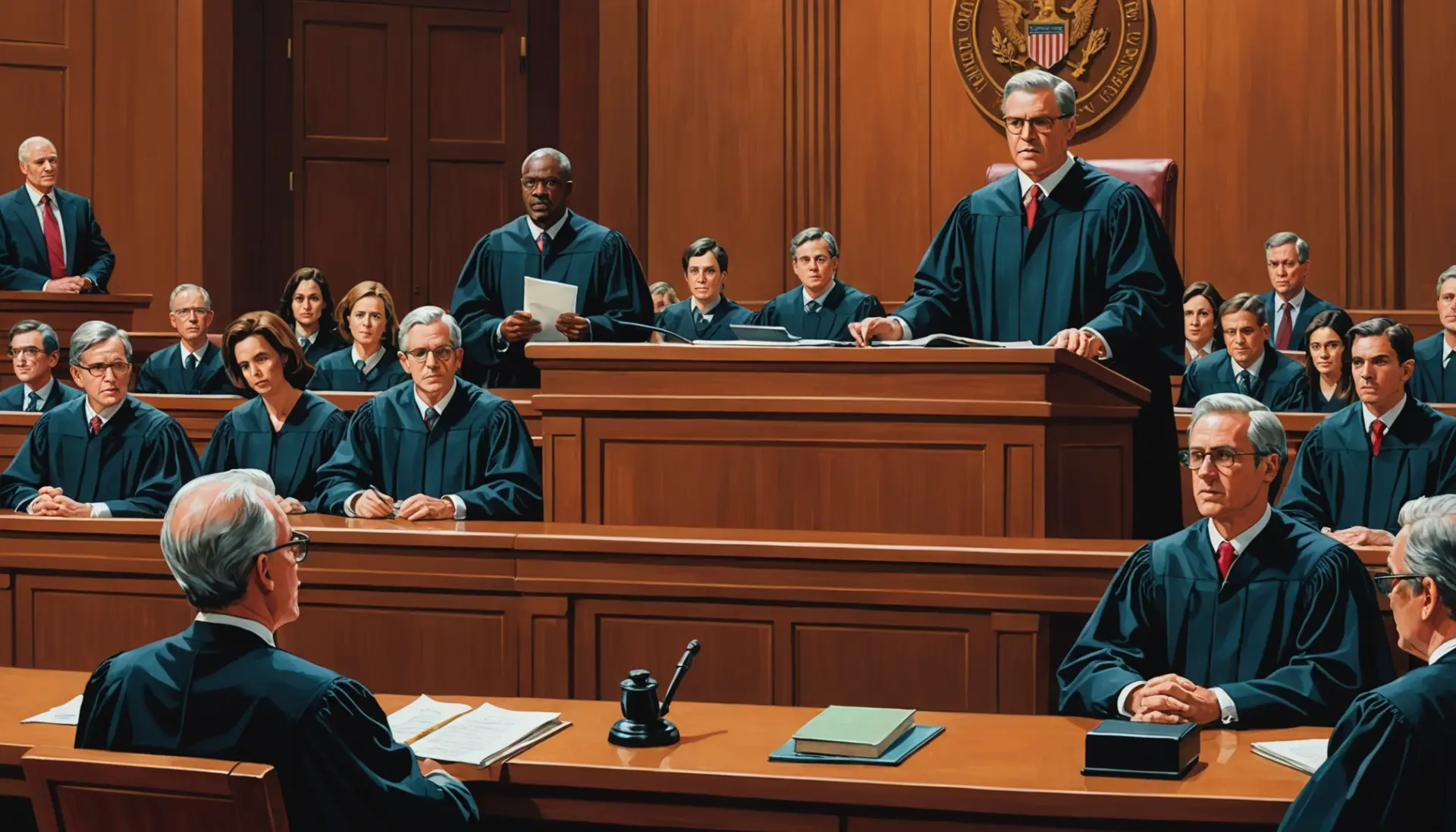

what does it mean when prosecution rests is a phrase you hear in courtroom dramas, TikTok courtroom breakdowns, and quoted by people trying to flex legal knowledge at parties. Honestly, it sounds dramatic, like a mic drop moment. But in real courts, it is a procedural hinge, not a cliffhanger.
Table of Contents
What Does It Mean When Prosecution Rests: The Plain Meaning
If you ever wondered what does it mean when prosecution rests, the short version is this: the prosecution has presented all the evidence and witnesses it intends to call, and is formally saying it is done. That phrase signals an end to the state or federal side of the case, the team that brought charges and carried the initial burden of persuasion.
People on TV treat it like a big reveal. In real life, it is mostly administrative, but it matters. The prosecution resting sets up the next moves in a trial, and sometimes it sparks strategic motions or a last-minute shift.
Why Does “What Does It Mean When Prosecution Rests” Matter to Viewers and Defendants?
The phrase what does it mean when prosecution rests matters because it is a milestone in the fight over facts and legal burden. The prosecution bears the burden to prove guilt beyond a reasonable doubt, and when the prosecution rests, they are effectively saying they believe their evidence is enough.
For a defendant, that can be scary, or freeing, depending on how the trial went. For observers and jurors, it is a cue: now the defense gets its turn to present witnesses, or sometimes choose not to even present a defense. It also triggers legal motions, like a motion for acquittal.
Courtroom Flow After the Prosecution Rests: What Happens Next
Once the prosecution rests, judges often ask the defense what they plan to do. The defense may call witnesses, present evidence, or make a strategic choice to rest without presenting anything. Yes, that happens. The idea is the defense can rely on the prosecution’s failure to meet its burden rather than put their client on the stand.
There is also a common move called a “motion for judgment of acquittal” or a directed verdict. The defense asks the judge to rule that even if all the prosecution’s evidence is true, no reasonable jury could convict. If the judge agrees, the case can end there. If not, the trial continues.
Real Examples and How People Use “What Does It Mean When Prosecution Rests” in Conversation
On social media you will see people clip courtroom moments and caption them with questions like, “what does it mean when prosecution rests?” People try to sound smart in comments. Sometimes it’s used as a meme, like when a celebrity court clip goes viral and someone drops that line to signal the tea is over.
Text example: “Wait, what does it mean when prosecution rests? Does that mean they’re done?”
Here is a short staged chat, so you get the tone: Friend 1: “Judge says the prosecution rests.” Friend 2: “So they win?” Friend 1: “Not necessarily, the defense might not call anyone. Or they can move for acquittal.” That is how non-lawyers use it, often mixing TV logic with a bit of actual procedure.
Classic courtroom shows like Law & Order popularized the line. People quote it and post reaction clips, which is why the phrase gets memed. But unlike a TV plot twist, it is often the calm before another strategic play.
What Comes Next After “What Does It Mean When Prosecution Rests” in Legal Terms
After the prosecution rests, the judge may hear legal arguments about sufficiency of the evidence. If the judge denies an acquittal motion, the defense can present its case or rest. If the defense rests without calling witnesses, the case goes to closing arguments and jury instructions.
If the defense does call witnesses, those witnesses can be cross-examined by the prosecution. The order of proof and cross-examination rules are part of trial choreography. The prosecution still gets to rebut, and there are chances for redirect, meaning the flow can look messy if you only watch soundbites on TikTok.
Quick Glossary and Resources
Some short definitions for the jargon you will hear when the prosecution rests. Burden of proof: the requirement that the prosecution prove every element of the charged offense beyond a reasonable doubt. Motion for acquittal: a request that the judge dismiss the case for insufficient evidence.
Want a legal primer? The Wikipedia entry on trials has a good overview, and Cornell Law School explains burdens of proof in accessible terms. For a quick legal definition of “rest,” consult Merriam-Webster’s legal notes.
External resources: Wikipedia: Trial, Cornell Law: Burden of Proof, Merriam-Webster: rest (legal).
Internal reading if you want more slang-y breakdowns: rizz slang meaning, delulu, bogart slang meaning.
Final thought
So next time you hear someone ask, “what does it mean when prosecution rests,” you can say: it’s the prosecution’s formal stop sign, but not necessarily the end of the road. It’s procedural, strategic, and sometimes a setup for a dramatic courtroom finish. Enjoy the clip, but remember the real trial is slower than the meme.
Image alt suggestion: Editorial illustration of a courtroom moment with a prosecutor and judge at the bench, featuring the phrase what does it mean when prosecution rests in mind as the subject focus.