


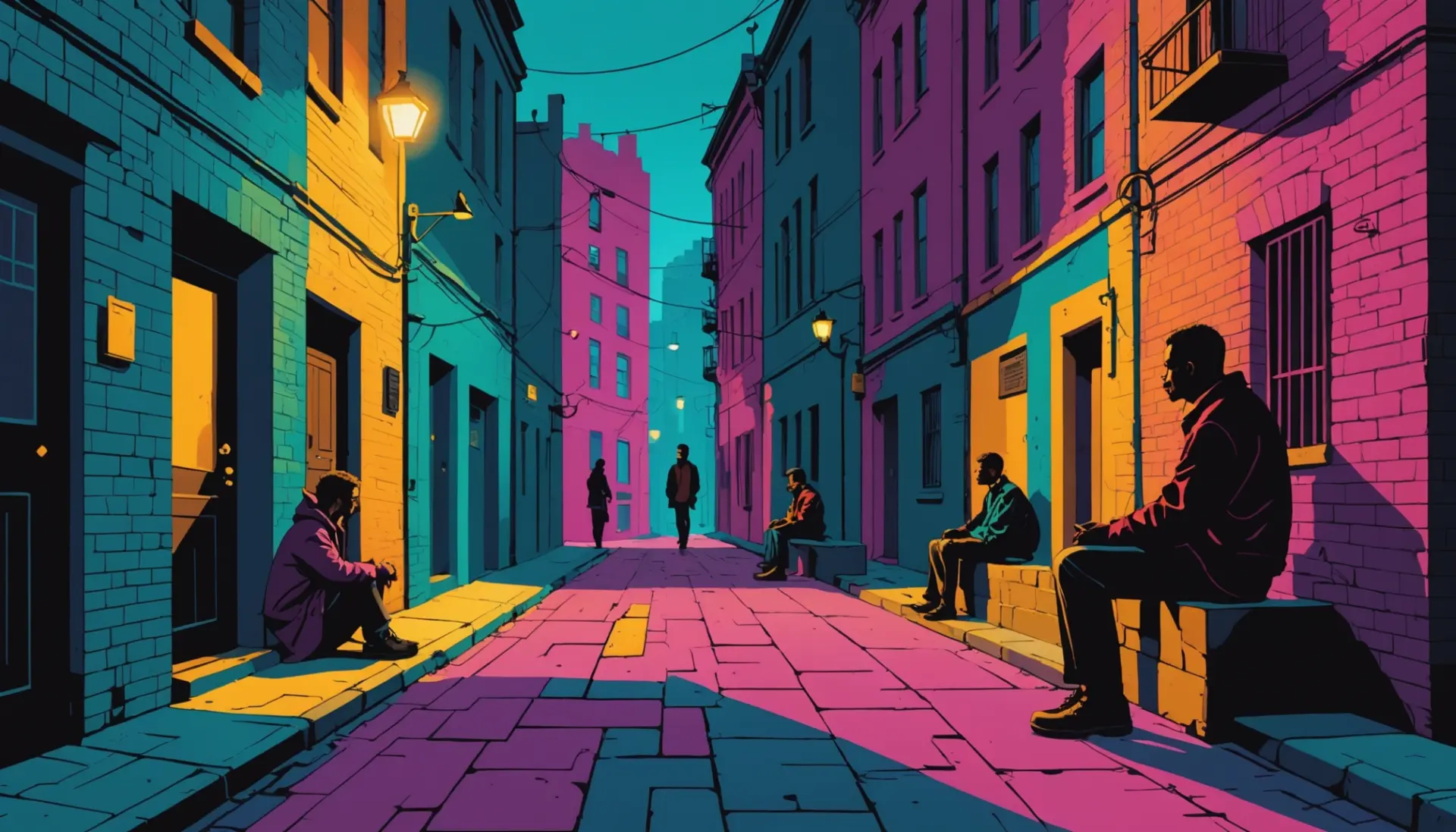

What Smack Drug Slang Means
smack drug slang refers to heroin, plain and simple: the powdered or tar heroin people have used and sold for a century. The phrase has been part of street talk for decades, especially in English-speaking countries, and it often shows up in movies, books, and older rap lyrics when artists refer to heroin use or trade. People say it with a low register, like an inside word you do not want on a police scanner. There is also overlap with other meanings of “smack,” but when someone in a drug context says “smack,” they typically mean heroin.
Table of Contents
Smack Drug Slang History and Origins
The term “smack” as drug slang for heroin goes back to at least the early 20th century. The exact origin is fuzzy, but the word appears in criminal slang dictionaries and police reports from the 1920s and 1930s. Some etymologists link it to older English words for taste and a quick strike, which then migrated into criminal argot. If you want a compact scholarly take, check the Heroin page on Wikipedia or dig into older word histories at Merriam-Webster, both good starting points for etymology and context.
How People Use Smack Drug Slang Today
Smack drug slang still shows up in conversation, but its tone depends on who is saying it. Older users and dealers tend to use “smack” more naturally, while younger crowds might say “dope,” “heroin,” or even brand names when they are trying to sound current. In media, the word crops up in gritty narratives: think Irvine Welsh’s Trainspotting, which popularized heroin-related slang for a generation, or in news stories about opioid epidemics where reporters quote it to reflect street language. People also use “smack” metaphorically sometimes, but that is less common in serious contexts.
Risks, Law, and Cultural Context of Smack Drug Slang
Saying “smack” does not change the legal or medical reality: heroin is illegal in most countries and extremely risky. The term can carry a romanticized or sensational vibe depending on movies or songs you grew up with, but the real-life consequences are grim. Overdose risk, infectious disease from needle sharing, and long-term addiction are the realities behind the slang. For reliable harm and legal context, the National Institute on Drug Abuse has clear briefs on heroin and opioids at NIDA.
Real Examples and Conversation Clips
Here are real-feeling ways people use the phrase, transcribed like you overheard them at a bus stop or in an old chat thread. These are not endorsements, just snapshots of language in action.
“You hear about that guy on 4th? He scored some smack last night and vanished.”
“Nah, I can’t hang with that crowd anymore, they were always doing smack and calling it chill.”
“Trainspotting made smack sound poetic, but trust me, it is not.”
Online, older forum posts and lyric sheets will show the word used bluntly. In rap and rock lyrics from the 80s and 90s you will sometimes hear “smack” used for heroin. That usage is part of why the word still reads as old-school to many listeners. If you are writing dialogue and want authenticity, “smack” signals a certain era or demographic without spelling everything out.
Further Reading and Resources
If you want reputable background reading, start with the medical and historical pages. The Heroin entry on Wikipedia gives a broad history and technical facts. Merriam-Webster has a concise definition of “smack” that includes its slang use at merriam-webster.com. For modern harm reduction and data about opioid impacts, the National Institute on Drug Abuse is a good, science-based source.
If you read cultural criticism, Trainspotting is a touchstone. The movie and book show how language like “smack” becomes ritual and shorthand in scenes about addiction. Music history also matters here: when mainstream artists reference drugs by slang names, the words move into public awareness and sometimes lose their secrecy.
Related Slang on SlangSphere
Want to compare “smack” to other modern slang? Read up on rizz slang meaning or see how classic terms evolved in bogart slang meaning. Those pages show how tone and era shape word choice, just like smack does for heroin.
Quick Notes and Usage Tips
If you are discussing addiction sensitively, use clinical words like “heroin” or “opioid” rather than slang. But if you are writing a character piece, period piece, or quoting historic speech, “smack” can add authenticity. Be careful though: using street slang casually can feel glamorizing, and that is rarely appropriate when people are harmed.
One last practical bit: because “smack” also means a hit, a taste, or a smack in the face, context is everything. When you see the word in a headline or lyric, look for surrounding clues to know whether it refers to heroin or something else.
Closing Thoughts
Smack drug slang is a compact example of how language carries subculture and history. A single word can evoke decades of street life, medical crisis, and media representation. Words matter. Especially words tied to risk and trauma.