


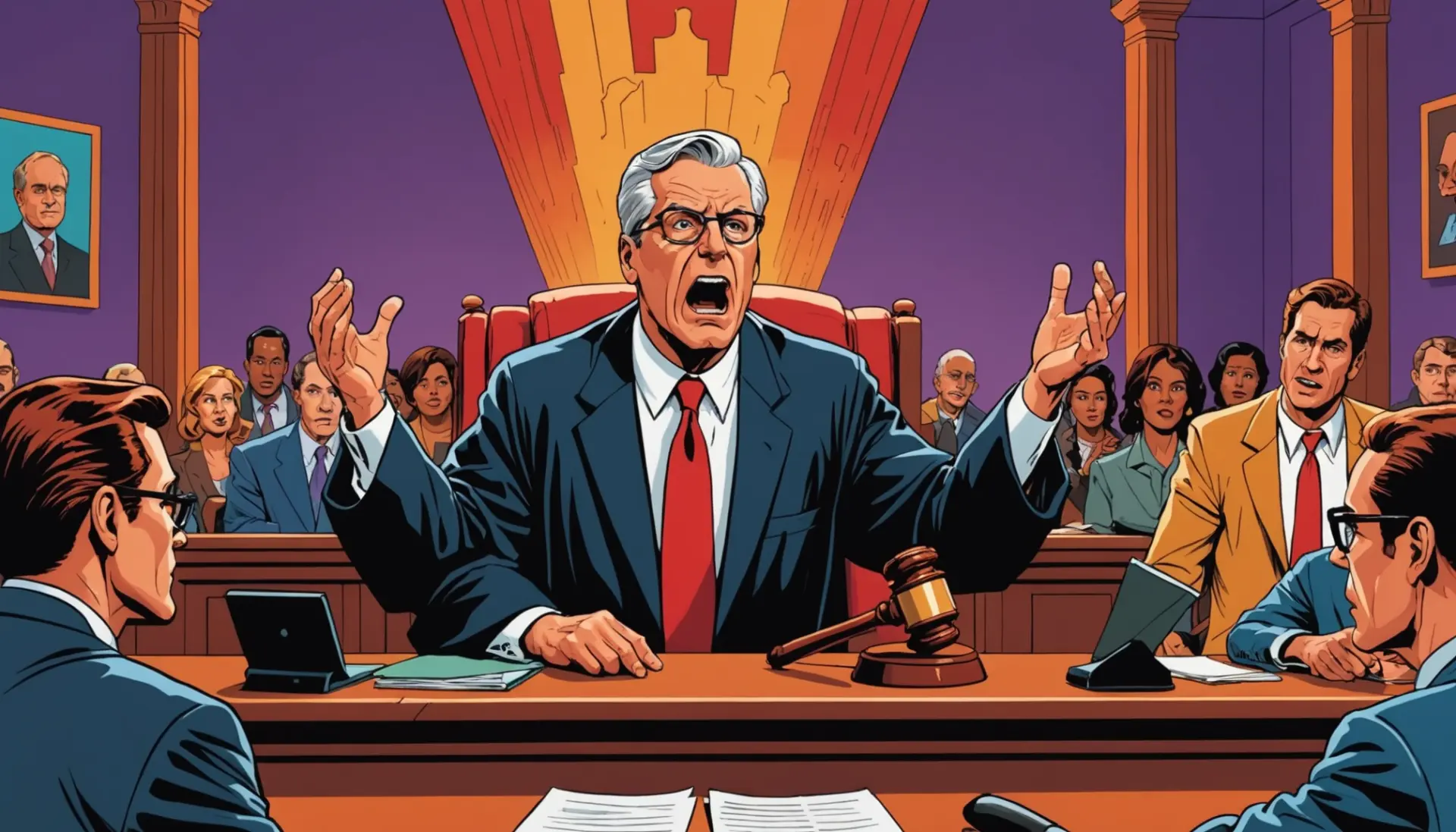

What Does a Mistrial Mean in Court? Quick opener
what does a mistrial mean in court? Short answer, it is when a trial cannot produce a valid verdict and the judge stops the process. Sounds dramatic. It can be messy, weirdly procedural, and often confusing if you only see it in memes or on Law & Order.
People toss the term around on Twitter during high-profile trials, usually when something sudden happens, like a juror gets booted or evidence gets leaked. But the legal meaning is narrower than the pop culture take, and the consequences are not always what people expect.
Table of Contents
What does a mistrial mean in court: definition
Legally, a mistrial is a trial that the judge declares invalid before a final verdict is reached. It is not an acquittal, and it is not a conviction. Instead, it is a procedural dead end, usually caused by a problem so serious the court cannot continue fairly.
If you want the short legal refs, look at the Merriam-Webster legal definition or the Wikipedia entry for mistrial for background. Here are two useful links: Merriam-Webster on mistrial and Wikipedia: Mistrial.
What does a mistrial mean in court: common causes
There are a few usual suspects. The classic one is a hung jury, when jurors cannot agree on a verdict after proper deliberation. Judges can also call a mistrial for juror misconduct, like social media posts, or if critical evidence is admitted by mistake and it prejudices the jury.
Other reasons include a bailiff or lawyer doing something inappropriate, an illness that incapacitates a juror, or even a major procedural error. Sometimes attorneys ask for a mistrial because an incident made a fair trial impossible.
Real World Examples and Pop Culture
On TV shows like Law & Order and The Good Wife, courtroom scenes often end with a dramatic “mistrial” call, used to crank the tension. In real life, the drama is lower key but no less consequential.
For a real world taste, you can search historical news: trials sometimes get thrown out midstream and you get headlines about retrials and appeals. People often react online with memes and tweets saying things like, “Judge just declared a mistrial, what even is happening?” That is literally how the term spread into casual chatter.
Short example exchanges
Person A: “Wait, did they finish the trial?”
Person B: “Nope. Declared a mistrial after the juror admitted she saw news coverage.”
Person A: “So they just start over?”
Person B: “Usually, yeah. Unless double jeopardy says otherwise.”
Consequences: retrial and double jeopardy
A big question people have is, if a mistrial happens, can the defendant be put on trial again? Most of the time, the answer is yes. A mistrial usually allows a retrial because there was no final verdict.
There are exceptions. The constitutional protection against double jeopardy can block a retrial if the mistrial was caused by government misconduct meant to provoke it. For a deep legal explanation, the Cornell Legal Information Institute is solid reading: Double Jeopardy – Cornell.
How people use the phrase in everyday talk
In casual conversation, people use “mistrial” the way they use “trainwreck.” It is shorthand for a ruined process. You will hear lines like, “This hearing was a mistrial, ngl,” in DMs and comment threads.
Here are a few honest examples of how people say it aloud: “They called a mistrial because the jurors were deadlocked.” “Judge declared mistrial after the prosecution brought in new evidence without warning.” And sarcastically: “That date was a mistrial, zero stars.”
Why people get it wrong
Lots of folks think a mistrial means someone was found innocent. That is wrong. It means there is no verdict. The case can often be tried again. So the stakes remain high for everyone involved.
Wrapping up, what does a mistrial mean in court and why it matters
So, what does a mistrial mean in court in plain speech? It means the judge stopped the trial before reaching a valid verdict because continuing would be unfair or impossible. It leaves questions open and often leads to a retrial.
Honest takeaway: when you hear “mistrial” on the timeline during a big case, pay attention to the reason. That reason usually decides whether the story ends there, or whether the prosecutors get another shot.
Want more slang and legal-adjacent terms explained with the same chill energy? Check out our takes on Bogart and Rizz on SlangSphere.