


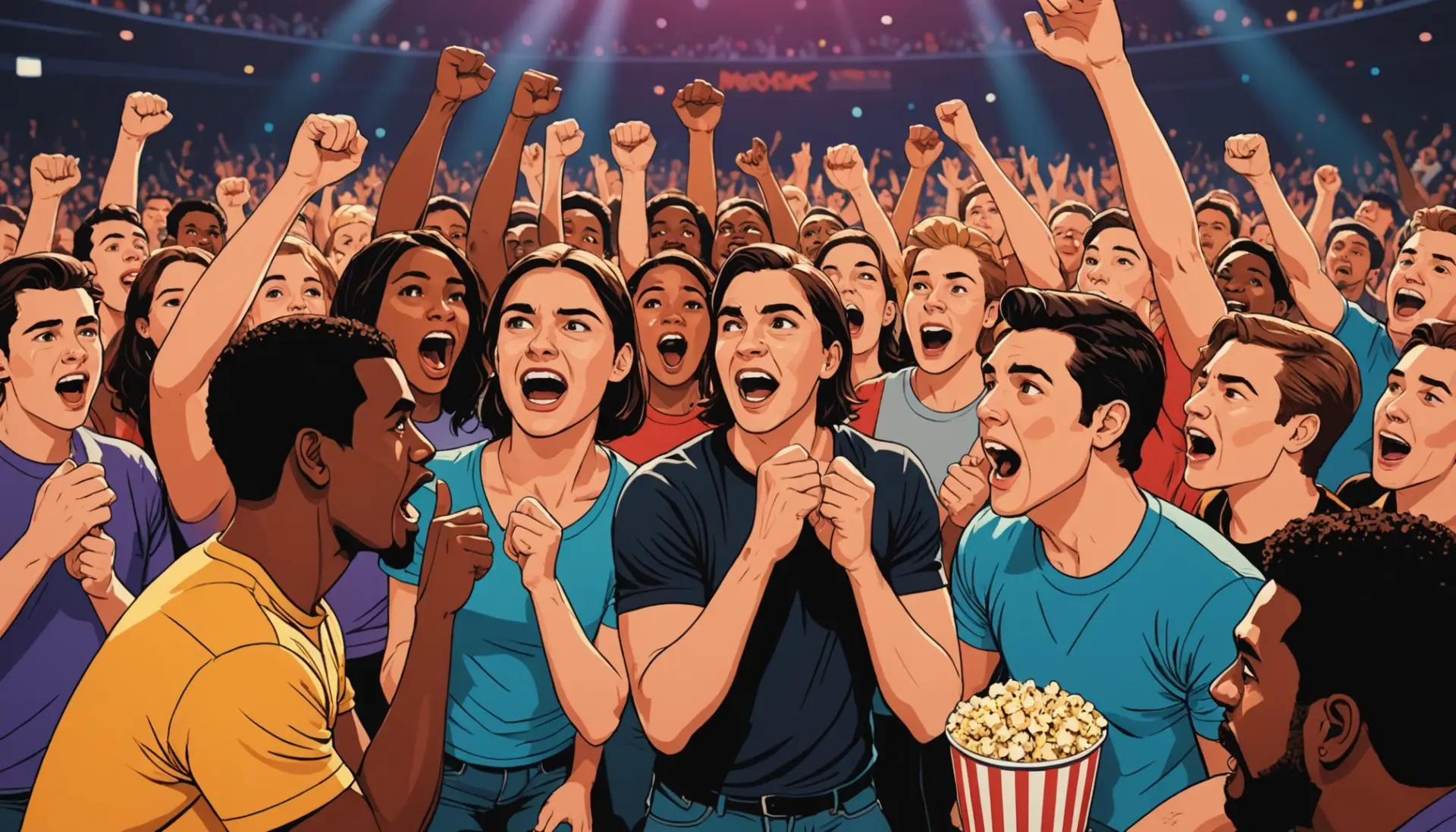

What Is Wrestling Slang?
Wrestling slang is the shorthand, the inside jokes, and the old-school jargon that makes pro wrestling feel like its own language.
Say a term and a crowd of fans instantly nod, or groan, or meme it into oblivion. It covers everything from backstage lingo to fan chatter on Reddit and clips on TikTok.
Table of Contents
Common Wrestling Slang Terms and Why They Matter
Okay so this is the meat. Wrestling slang lives in terms like kayfabe, heel, babyface, work, shoot, botch, and spot. Fans and wrestlers use these words casually, like breathing.
Some of these came straight from the old territories. Others were born on commentary or in podcast rants. They tell you what actually happened, or what everyone agrees to pretend happened.
Kayfabe
Kayfabe is the whole conceit: keep the storyline real, even when you are off camera. The word is used by fans when someone breaks the illusion.
Example: “He went off-script on live TV, total kayfabe breaker.” You will also see historians trace kayfabe back to carnival roots on Wikipedia Kayfabe on Wikipedia.
Work vs Shoot
A work is scripted. A shoot is real. Wrestling slang uses these words to separate performance from reality. Fans argue about it like it’s philosophy.
Example: “That angle looked like a work, but the backstage heat seemed like a shoot.” This split is central to why fans obsess over promos and backstage clips.
Heel and Babyface
A heel is the villain, a babyface is the hero. Simple, but wildly flexible. A heel might be beloved ironically, or a babyface can turn dark and messy.
Example: “He played heel so well, the crowd couldn’t help but clap. Classic heel work.”
Botch, Spot, Bump
Botch means a mistake during a move. Spot is a planned sequence. Bump is the act of taking a fall. All three are core to live performance talk.
Example: “That botch got clipped to every reaction video. He sold the bump like a pro though.”
How Fans and Wrestlers Use Wrestling Slang
Fans use wrestling slang to thrift credibility. Saying “that was a work” or “big pop” signals you watched more than one show. Wrestlers use it as shorthand backstage to describe what just went down.
On social threads people will nitpick match psychology and use wrestling slang casually. You see deep dives that feel like film school essays, all because a single turn or spot landed weird.
Fan chat example: “If he turns heel at SummerSlam, that pop will be insane. But if it’s a botch, we’re canceling the creative team.”
Wrestling Slang on Social Media and Memes
Wrestling slang is a meme factory. “Kayfabe” and “botch” get memed into profile pics, reaction clips, and silly TikTok trends. Fans remix great promos into audio loops for other jokes.
Remember the viral meme after that infamous botch at a major PPV? Clips spread across platforms and turned a one-off into a lasting catchphrase. Sites like Know Your Meme often catalog these spikes.
Quick Glossary: Say This, Not That
Here is a fast rolodex of wrestling slang that will make you sound like you’ve been ringside. I kept it short so you can memorize it before the next show.
- Kayfabe: The storyline reality.
- Work: Scripted segment, expected behavior.
- Shoot: Real, unscripted event or comment.
- Heel: Villain role.
- Babyface: Hero role.
- Botch: Mistake during a move.
- Spot: Planned move or sequence.
- Bump: The fall a wrestler takes.
- Heat: Real or kayfabe animosity toward a character.
- Pop: The crowd reaction, usually positive.
Use these in convo: “That heel’s promo got major heat,” or “The pop at the finish hit so hard.” Both will get nods from other fans.
Where to Learn More
If you want to read historical context, the general pro wrestling page on Wikipedia is a great start Pro Wrestling on Wikipedia. For media breakdowns, look to sports journalism and longform podcasts that interview wrestlers about the old days.
Also, if you are exploring other slang roots on SlangSphere, check out internal explainers like rizz and kayfabe. They tie into how performance culture spreads online.
Final Thoughts
Wrestling slang is a living archive. It holds tradition, practical shorthand, and the occasional dumb meme that refuses to die. Whether you are a casual fan or someone who camped out for a meet-and-greet, using a few of these terms will make your takes land harder.
So next time you watch a promo, try to notice the language. Call out a botch, cheer a pop, or sigh when kayfabe gets weird. It is part of the fun.
Real Conversation Examples
Below are realistic bits of chat you might see in match threads or DMs. They show how wrestling slang actually shows up in day-to-day fan talk.
“Dude that spot was insane, proper pop from the crowd. No botch, perfect sell.”
“I think the heel turn was a work, but the backstage clip looked like a shoot. Mixed signals.”
“She got major heat for that promo, honestly the best packaging of the gimmick all year.”
See? Short, punchy, and full of slang. Use it sparingly and you will blend right in.
Resources and Further Reading
For definitions and historical notes, Wikipedia is helpful for core terms and history. Podcasts and wrestling historians are where the nuance lives. For memes and fan culture spikes, Know Your Meme catalogs how moments blow up online.
And if you are curious about how slang crosses over from wrestling to mainstream culture, check SlangSphere pages like delulu. The pattern of inside language going public is the same, just with more suplexes.