


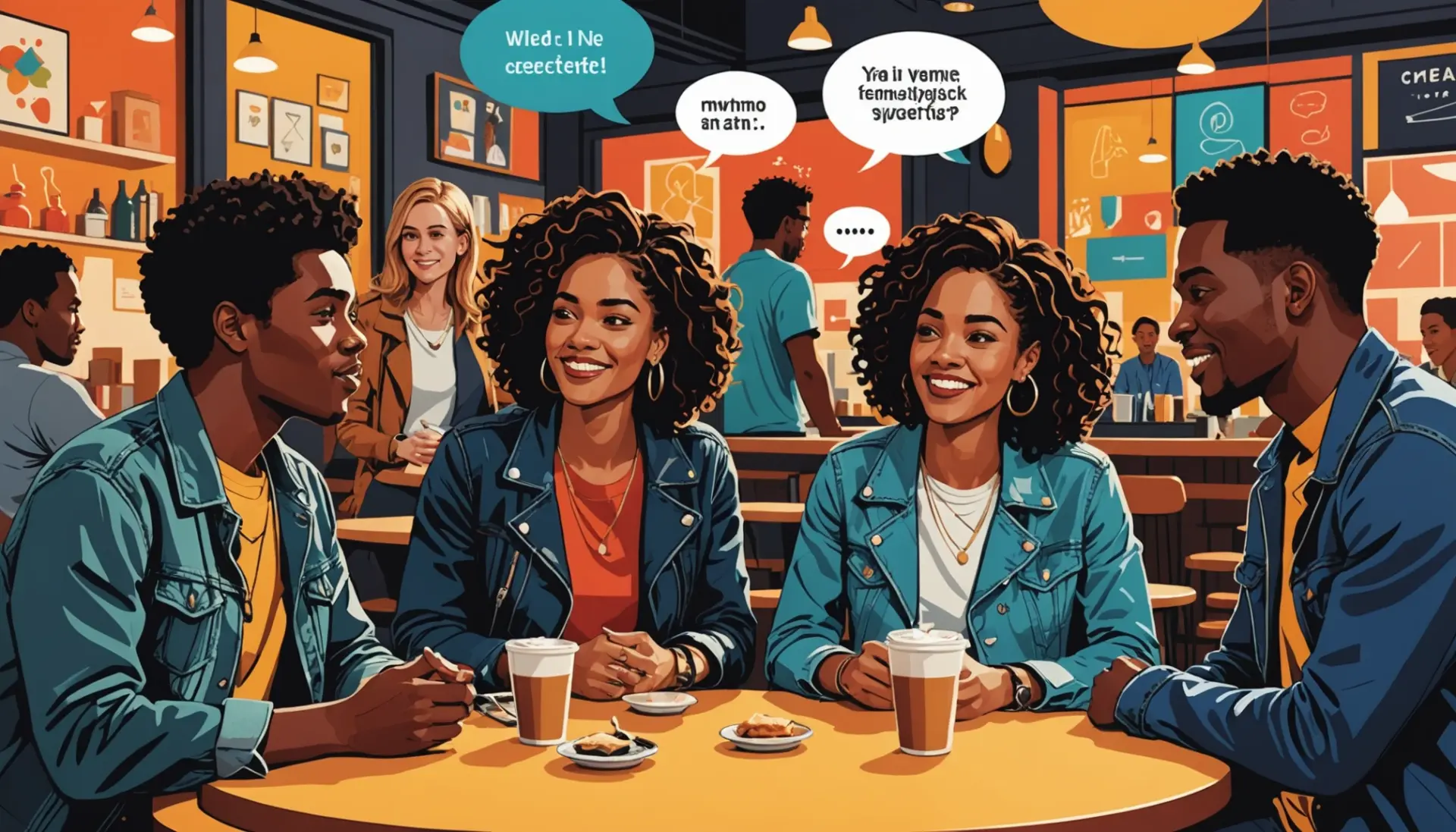

Coded Slang Meaning: A Quick, Honest Take
coded slang meaning shows up everywhere, from tweets calling out “subtle” insults, to literary essays arguing a character is “queer coded.” If you care about what people are actually signaling with their words, this term matters.
Okay so, this is not just academic jargon. People use the word “coded” on TikTok to call out language that carries hidden meaning, often so the speaker can plausibly deny intent.
Table of Contents
Coded Slang Meaning: What It Is
When people ask about coded slang meaning, they usually want to know how language does double duty, saying one thing on the surface while signaling something else to a specific audience. It is about in-group cues, plausible deniability, and sometimes weaponized ambiguity.
Think of it like a wink embedded in a sentence. On the surface it reads neutral. To the people “in the know” it reads loud and clear. That wink can be harmless slang, like subcultural talk, or it can be a dog whistle that masks prejudice.
Roots and Cultural Context
Coded speech is not new. Writers and film makers have used “queer coding” to hint at a character’s sexuality for decades. See the historical analysis on queer coding for academic examples.
In politics the equivalent term is dog-whistle politics, where a phrase means one thing to the general public and another to a specific group. For background reading, check Dog-whistle politics. These are useful anchors when you want to see how coded language functions at scale.
Coded Slang Meaning: Real-Life Examples
Here are actual ways people use coded slang meaning in conversation. I promise these examples are ones you have probably seen on feeds or heard at parties.
Friend 1: “I love how inclusive that club is.”
Friend 2: “Yeah, very inclusive. Low-key exclusive though.”
That second line is the classic coded move. On the surface it praises inclusivity, but the “low-key exclusive” tag signals that certain people are quietly being kept out.
Another example from online callouts: “That comment was coded.” On Twitter, people will label a remark “coded” when it carries an implied bias that the speaker wants to hide. See the Merriam-Webster entry for “coded” if you want the dictionary angle, here.
Then there is literature and media talk. Critics will say a villain was “coded gay” or a hero was “coded straight” as shorthand for how creators used subtle traits to telegraph identity without stating it. That usage is exactly what people mean when they talk about coded slang meaning in pop culture critique.
How to Spot and Respond to Coded Slang
Spotting coded slang meaning takes practice. Look for phrasing that depends on context to make sense, or compliments that come with qualifiers. When someone adds a wink, a modifier, or a sudden “no offense,” pause and listen for the implied audience.
Responding is trickier. If the coded language is harmless flavor, pointing it out might come off as overreading. If it’s a dog whistle or exclusionary code, calling it out publicly can matter. A simple question often defangs the ambiguity: “What do you mean by that?” It forces specificity.
Also, be mindful of power dynamics. When a marginalized group calls out coded language, they are usually naming patterns they have felt for years. Respect that context before deciding whether to correct, explain, or amplify.
Why It Still Matters in 2026
Coded slang meaning matters because language shapes who belongs and who does not. On platforms like TikTok and X, coded lines spread fast and mutate into memes. Remember how certain catchphrases went viral and then were reclaimed or critiqued? Same idea, but sometimes with higher stakes.
Understanding coded language helps you read culture better. It helps you avoid inadvertently signaling something you do not mean. It also arms you if you want to challenge subtle prejudice when you see it. That is why critics, journalists, and everyday people keep talking about coded slang meaning.
Quick Real-World Calls to Action
If you want to learn more about historical examples, start with queer coding and dog-whistle politics on Wikipedia. If you want to see how the word “coded” is defined in plain English, Merriam-Webster is a tidy reference. And if you want to explore how memes interpret these cues, search community threads that track usage shifts.
Also, if you’re curious about related slang trends, check our takes on rizz, delulu, and low-key. Those pages show how tone and context can make or break meaning.
Parting Thought
Words carry extra baggage these days. Sometimes that baggage is jokey subculture energy. Sometimes it is exclusion or harm. Learning to recognize coded slang meaning helps you call the right thing out, and maybe laugh at the harmless stuff instead of overreacting. That nuance is the whole point.