



Intro
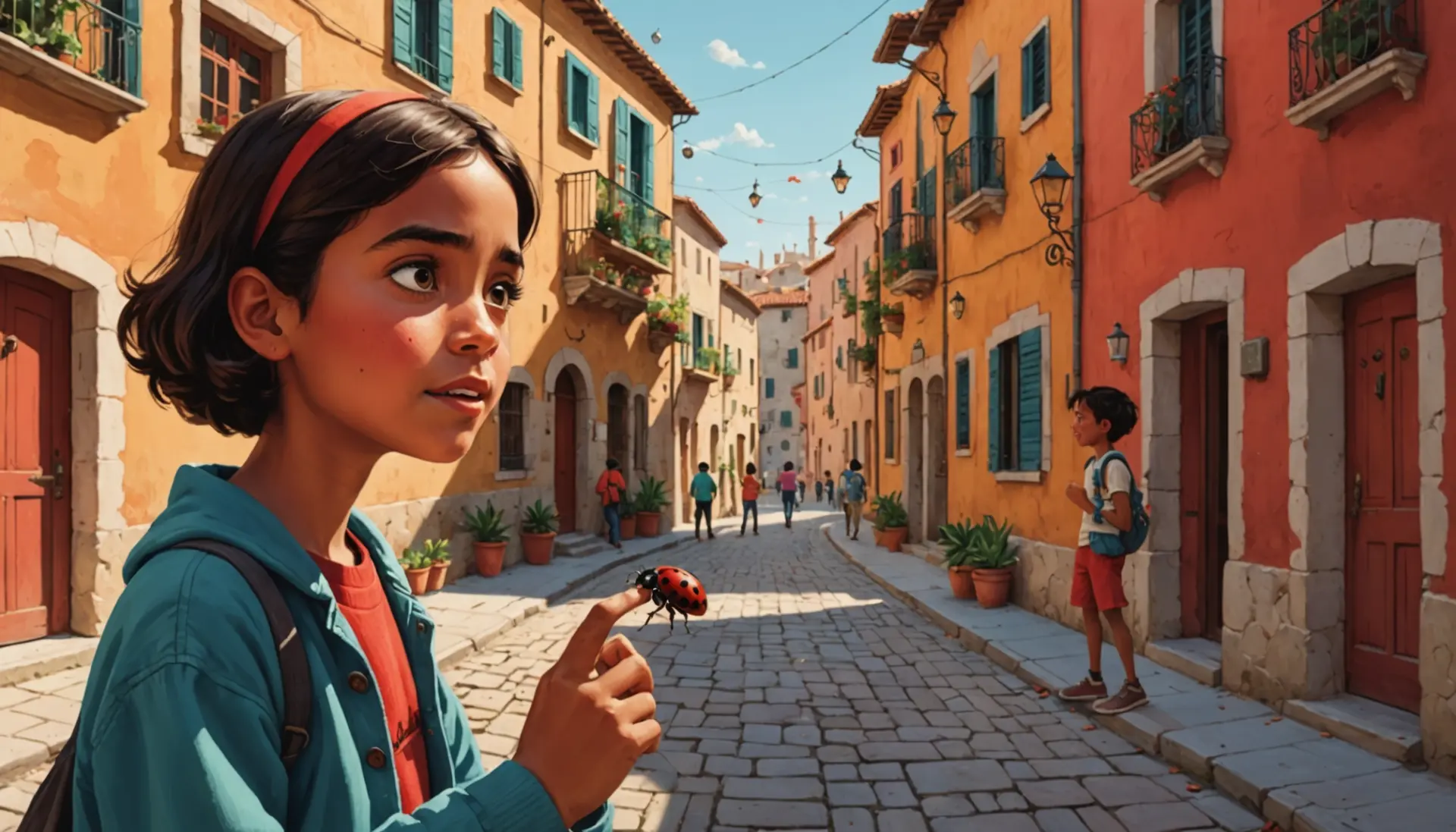
Mariquita slang is one of those Spanish words that can mean a ladybug, an insult, or something in between depending on region and tone. Honestly, the word shows how messy and fascinating language gets when cultures collide. In Madrid you might hear it and think of the little red insect your grandma liked, while in parts of Latin America it lands as an insult aimed at men.
This post explains the history, the uses, the offense, and how people actually say the word in real conversations. I want you to finish this knowing when to recognize mariquita slang and when to avoid it entirely. Ok, coffee refilled? Let us go.
Table of Contents
What Mariquita Slang Means
When people say mariquita slang they are usually referencing one of three senses: the literal insect, a term for someone seen as effeminate or weak, or a playful nickname. Context is everything. Tone, who says it, and where you are will flip the meaning hard.
In Spain, mariquita most commonly means ladybug, and you will see it in kids books and nursery rhymes. In much of Latin America, however, mariquita has been used as an analogue to English words like sissy or worse, and that usage is where the baggage comes from.
Origins and Evolution of Mariquita Slang
The literal origin is simple, from the combination of Maria, a common female name, and a diminutive ending, used to name the tiny red beetle. Over time the word migrated into colloquial speech and was mapped onto human traits, particularly effeminacy. Language does this all the time, mapping animal traits onto people.
Colonial history, religion, and gender norms shaped how mariquita slang evolved. You see similar patterns in many languages where words linked to femininity or smallness become insults when applied to men. For more historical background about language shifts tied to gender, check out general references like Wikipedia on homophobia.
How Mariquita Slang Is Used Today
Today mariquita slang gets used in several registers. In families it can be a teasing nickname between siblings. Among teenagers it’s often a taunt, the kind of thing that lands in schoolyards. In public or media, usage is shrinking because people call out slurs more and creators are more careful.
Things have changed with queer visibility in Latin pop and culture. Artists like Bad Bunny wearing nail polish publicly, and Ricky Martin sharing his story on social platforms, shift what is socially acceptable. That does not erase the insult version of mariquita slang overnight, but it weakens its power in some circles.
Is Mariquita Slang Offensive?
Yes, mariquita slang can be offensive, depending on intent and context. If it’s used to mock someone’s sexuality or to demean masculinity, it functions as a slur. That means it can cause real harm, especially in environments where queer people already face discrimination.
Sometimes people use the word casually without malice, but the impact matters more than intent. If you are unsure whether a term is okay, default to not using it. For definitions of comparable English terms and how they’re received, see Merriam-Webster on sissy.
Real-Life Examples and Scenarios
People actually use mariquita slang in conversation. Below are examples that show different tones and meanings. Read them, and imagine the body language that would make each version friendly or hostile.
On a playground: “No seas mariquita, pásame la pelota.” Translation: Don’t be a wimp, pass me the ball.
Between close friends joking: “Ay, mi mariquita, siempre con flores.” Translation: Oh my little ladybug, always with flowers. Cute, affectionate.
As an insult in a bar: “Ese tipo es una mariquita.” Translation: That guy is a sissy/queer, said to demean.
Notice how the same phrase can sound playful with a smile or hostile with a shove. That’s why knowing the social situation matters. If you hear mariquita slang used against someone and it feels malicious, step in or say something. Silence often equals consent.
Alternatives and What to Say Instead
If you are tempted to use mariquita slang as a joke, consider safer alternatives. Call someone “miedoso” if you mean coward, or just say “no seas exagerado” when someone is being dramatic. Language without slurs gets you the same point without the collateral damage.
If someone calls you mariquita slang and it bothers you, you can respond direct or deflect. A calm “no me hables así” or simply walking away works. If you want a lighter retort try humor: “Mejor mariquita que aburrido.” People love a good clapback that flips the insult.
Resources and Further Reading
For bilingual definitions and usage notes, SpanishDict is helpful on words like mariquita: SpanishDict on “mariquita”. For social context about slurs and why they hurt read resources on marginalization and language on authoritative sites like Merriam-Webster and Wikipedia. These are good starting points if you want to educate yourself beyond one article.
Related Slang on SlangSphere
Interested in related terms? We have pieces on similar words that explain nuances: maricón slang meaning, sissy slang meaning, and a cultural read on gendered insults like rizz slang meaning. These pages dig into local meanings and offer examples like the ones above.
Closing Thoughts
So yeah, mariquita slang is complicated and local. A harmless ladybug in one place, a cutting slur in another. Using the word without thinking is risky, especially if you are not part of the in-group that reclaims or softens it.
Language shifts, people change, and sometimes an insult loses steam because culture moves on. Until then, be kind, be curious, and if in doubt, skip the word. Honestly, words are cheap. Respect costs nothing.