


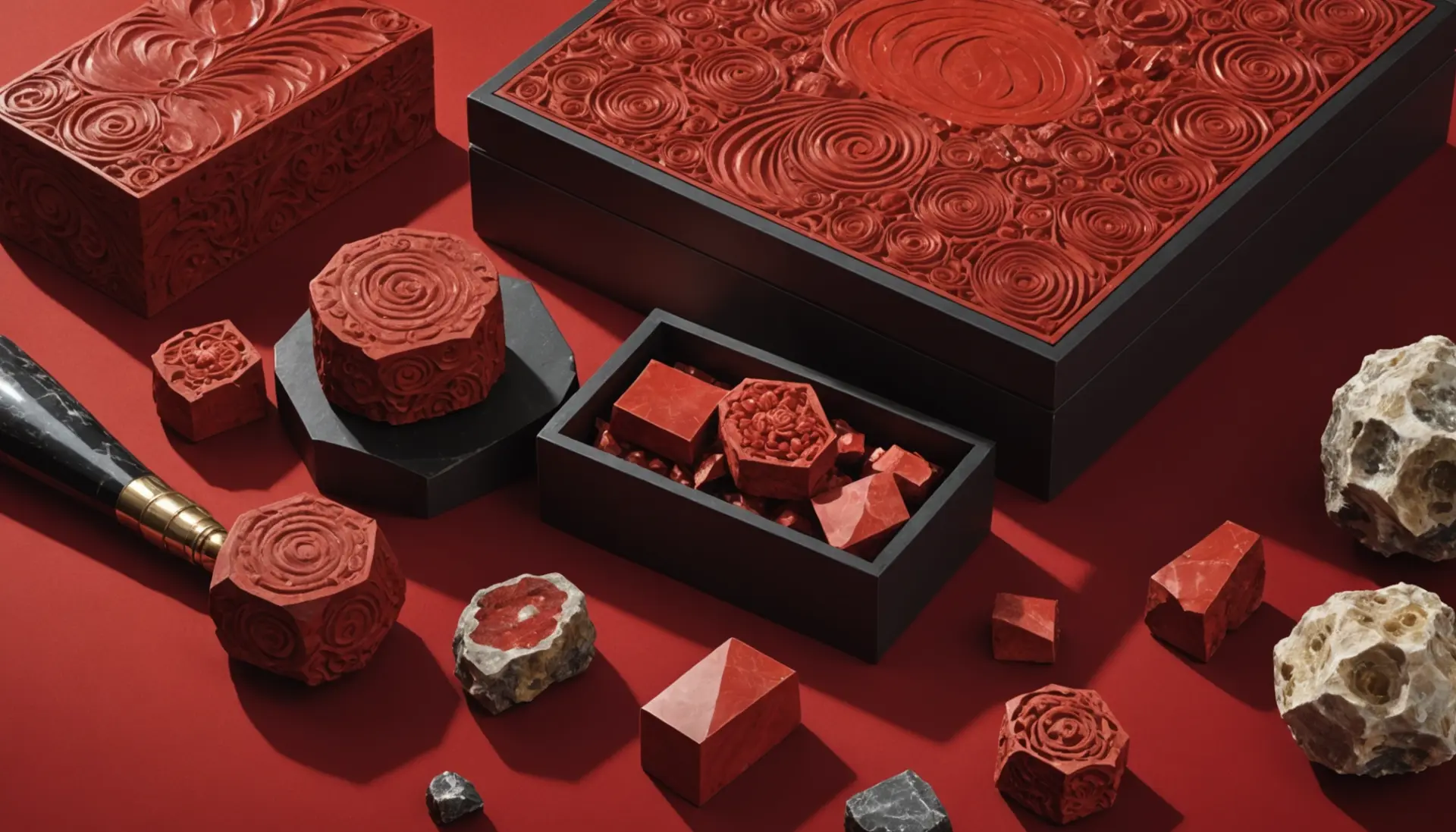

what does cinnabar mean, and why are vintage curators and modern designers both obsessed with it?
Okay so, cinnabar isn’t just a pretty word you find in paint swatches. It carries geology, history, toxicity, and a very specific red that shows up in lacquerware, old paintings, and aesthetic Instagram feeds. Ngl, it also sounds like a band name. But there’s more than vibe here.
Table of Contents
What Does Cinnabar Mean? Definition and Basics
When someone asks what does cinnabar mean, they are usually pointing to a specific red mineral, mercury sulfide, written chemically as HgS. It is the classic source of the deep red pigment known as vermilion.
In plain terms, cinnabar is both a mineral and the bright red color that comes from it. You will see the word used in geology texts, art history, and sometimes in design catalogs as a color descriptor.
History, Chemistry, and the Pigment Story
The mineral cinnabar has been mined for thousands of years. Ancient Chinese artisans, Roman painters, and Renaissance masters prized it for its intense red when ground into pigment. Also, it contains mercury, so the story gets complicated pretty fast.
Artists loved vermilion, the pigment produced from cinnabar, for its opacity and brilliance. But because it is mercury sulfide, working with it long-term posed health risks. Think alchemists and early chemists, not TikTok DIYers.
For a solid overview of the mineral itself, see Wikipedia: Cinnabar, and for the pigment history check out Britannica: Cinnabar. Those are good deep-dive starts if you want the nerdy details.
What Does Cinnabar Mean in Culture and Slang
So what does cinnabar mean in modern culture, beyond geology class? Mostly it shows up as a color cue: a lacquered red, a vintage cosmetic shade, a moody nail polish name. It connotes antique glamour more than street slang.
Occasionally you might see it used metaphorically, like calling someone’s lipstick ‘cinnabar’ to suggest an old-world, lacquered red. It has not turned into mainstream slang like ‘rizz’ or ‘sus’, but niche communities—collectors, designers, antique dealers—use it casually.
If you want a short cultural hit, the whole cinnabar lacquer tradition in Chinese furniture and boxes is iconic. Museums will label those pieces as cinnabar lacquer, and people reading captions pick up the term that way.
Cinnabar in Color, Design, and Fashion
Designers and brands love descriptive color names because they sell a mood. Cinnabar, as a descriptor, sells history and depth: it is red but with a lacquered, slightly brown-warm undertone.
In interiors or nails, if someone says ‘I want cinnabar walls’ they mean a saturated, old-school red that reads richer than a primary red. Compare that to vermilion or scarlet for nuance. In product naming, cinnabar feels artisanal, antiqued, and a little dangerous.
Real Examples and Casual Usage
Here are real, casual ways people might use the phrase, so you can hear the tone:
Friend 1: “She showed up with cinnabar nails, total mood.”
Friend 2: “Wait, what does cinnabar mean?”
Friend 1: “That lacquered red, like old Chinese boxes. Intense.”
Or in a museum caption: “Cinnabar lacquer box, Qing dynasty,” which packs both color and craft into two words. Another example you might see in design chat: “Switch that coral to cinnabar for a more dramatic editorial look.”
People also use it when describing color palettes on Instagram or Pinterest: “cinnabar + cream + brass = cozy, luxe energy.” That’s how the term migrates from technical to lifestyle language.
Toxicity and Safety Notes
We should be blunt: cinnabar contains mercury. That made vermilion useful and dangerous. Historically, exposure affected painters and miners. Modern, powdered pigment handling is subject to safety controls for that reason.
If you pick up an object labeled cinnabar, most antique pieces are sealed lacquer and not an immediate hazard. Still, avoid grinding or heating the material at home. For safety guidance, browse reputable chemistry or museum conservation sources like Merriam-Webster for definitions and initial context, and conservation pages from museums for handling advice.
Further Reading and Sources
Want links? For the mineral and basic history, start with the Wikipedia: Cinnabar entry. For pigment history and historical uses, Britannica is solid. And for dictionary-style clarity, Merriam-Webster helps with linguistic roots.
Also, if you like the aesthetics and want similar reads on color slang or pigment names, check our internal pieces on vermilion slang meaning and red slang meaning. They connect the technical with how people actually talk about color on feeds and in markets.
Quick Recap
If you still wonder what does cinnabar mean, the easiest answer is: a red mercury sulfide mineral and the intense red pigment, vermilion, derived from it. But it also carries centuries of craft, risk, and aesthetic weight.
Next time someone asks ‘what does cinnabar mean’, you can say it’s geology, it’s pigment, it’s antique lacquer vibes, and yes, handle with care. You’re welcome.