


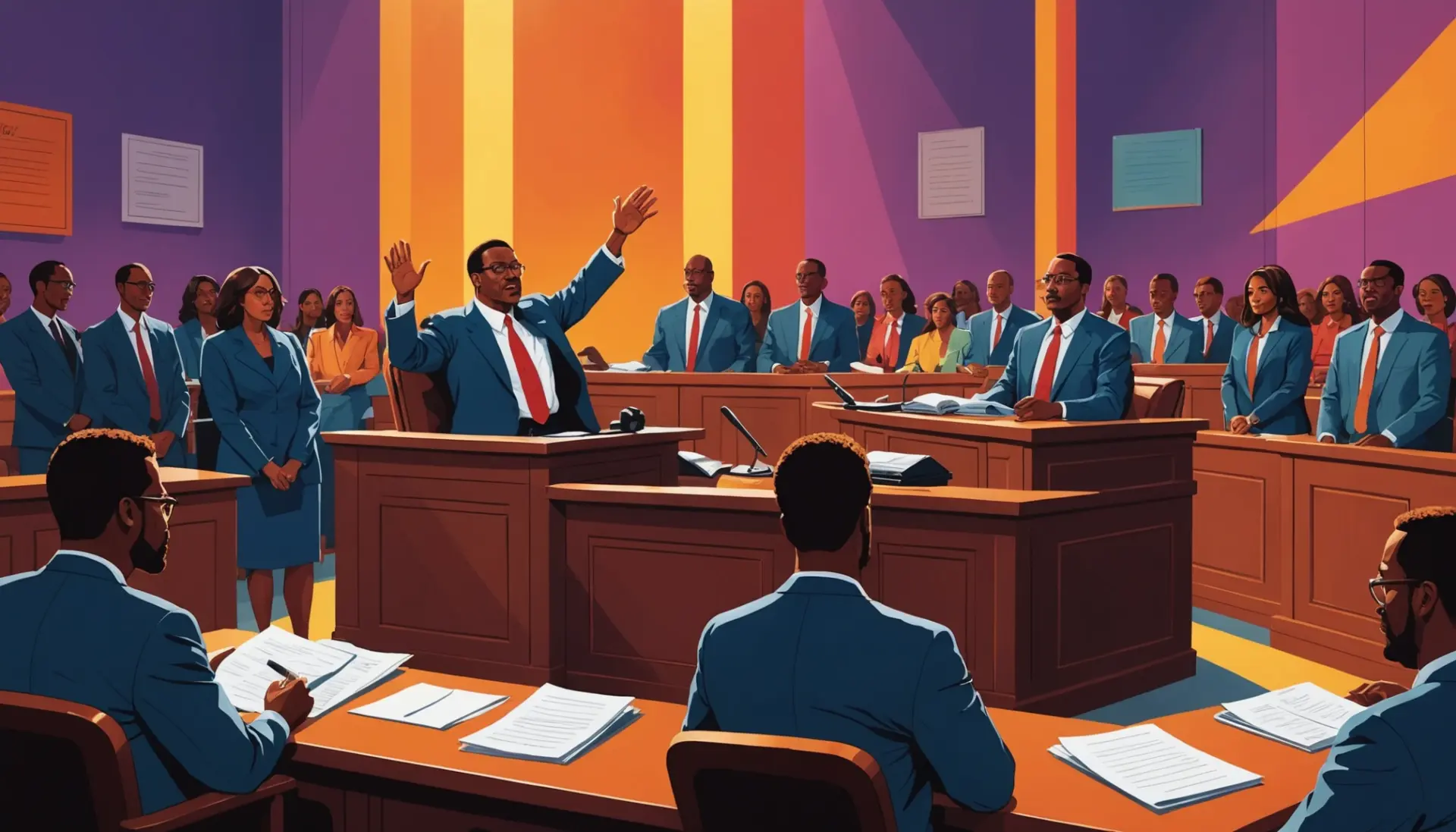

what does mistrial mean? Short answer: it is a trial that stops without a final verdict, usually because something went wrong procedurally or the jury could not agree.
Okay so that sounds dry, but the phrase gets tossed around in headlines and group chats when a case implodes, or when someone wants to say, sarcastically, that a night out or a job interview was ruined. The legal meaning matters, but the slang vibe is real: mistrial is used like a dramatic reset button.
Table of Contents
What Does Mistrial Mean? Quick Definition
In plain terms, a mistrial means the legal process failed to produce a valid verdict. That can happen if a judge decides a procedural error tainted the proceedings, a juror is exposed to inadmissible information, or the jury is hopelessly deadlocked.
Courts will sometimes call a mistrial when continuing would be unfair. It is not an acquittal, and it is not a conviction: it is an interruption, legally significant and often messy.
Why Trials End in a Mistrial
There are a few common triggers. Juror misconduct tops the list, think social media posts, meeting witnesses privately, or lying during jury selection. If a juror Googles the defendant and acts on it, a judge can throw up their hands and declare a mistrial.
Other reasons include procedural errors, like admitting evidence that should not have been shown, or a key witness suddenly disappearing. Sometimes a judge senses the jury cannot be impartial and calls it off to protect the fairness of the process.
What Does Mistrial Mean? Real-Life Examples
Look at famous cases for context. The term shows up in news coverage anytime a trial collapses. For a legal primer on examples and consequences, see the Wikipedia: Mistrial entry and the plain-language definition at Merriam-Webster.
In chatty, everyday speech people might say: “The concert was a mistrial, the opener bailed and the sound was trash.” Here mistrial stands in for a total bust or a night ruined. Same structure, different stakes.
Friend 1: “How was the date?”
Friend 2: “Total mistrial, she ghosted mid-dessert.”
See? The shift from courtroom to text thread is short and kind of delicious.
What Happens After a Mistrial
Once a mistrial is declared, the prosecutor decides whether to retry the case. Often they will, but retrial depends on factors like available evidence, public interest, and something called double jeopardy protections.
Double jeopardy does not always stop a retrial. If the mistrial was declared for reasons outside the prosecution’s control, a retrial is usually allowed. If the prosecutor acted in bad faith to provoke a mistrial, a retrial can be barred. Legal nuance matters here.
Mistrial as Slang and Pop Culture
People borrow heavy, official words for comic or dramatic effect all the time. You get “mistrial” in memes and tweets when something collapses spectacularly. Think of how people say “trial and error” as a vibe, or how “hung jury” leaks into drinking jokes. Mistrial carries heft, so using it signals you want to dramatize failure.
Want a pop culture beat? A mistrial moment can trend when a celebrity trial collapses or a highly publicized hearing has a procedural bombshell. That feeds memes, think reaction GIFs with courtroom clips and snarky captions.
Internally slang sites like rizz and delulu show how words migrate from niches into mainstream chat. Mistrial behaves similarly, moving from legalese to punchline.
Common Misunderstandings About Mistrials
People mix up mistrial with acquittal all the time. An acquittal is a final not-guilty verdict. A mistrial is an inconclusive stop. Big difference. Also, a mistrial does not automatically mean someone is innocent in the eyes of the court.
Another misconception: a hung jury automatically equals mistrial. Often yes, a hung jury leads to a mistrial, but there are other causes too, as we mentioned. So context matters when you see that term online.
How to Use “what does mistrial mean?” in Conversation
Want to sound informed without being a legal nerd? Try this: “That meeting was a mistrial, we wasted three hours and nothing was decided.” Short, dramatic, slightly snarky. People get the vibe even if they do not know the full legal meaning.
Other casual examples: “My audition was a mistrial,” “This group project keeps flirting with mistrial,” or “The debate was a mistrial when the mic cut out.” Use it where a total procedural collapse or catastrophic indecision happened.
Final Thoughts
So, what does mistrial mean? It means the system stopped short of a verdict, usually because fairness was compromised or the jurors could not agree. It is a legal hiccup with real consequences, and a slangy way to say something spectacularly failed.
NgI, using legal terms as slang makes conversations sharper. It adds drama. Just be careful when you toss “mistrial” around in serious contexts. The word carries weight. Use it for flair, not confusion.
Want more slang that migrated from specialized worlds into everyday chat? Check out bogart or ghost for similar journeys.