



Quick Note
lindsay clancy what does mistrial mean is a search people type after seeing headlines about high-profile court moments, and yes, the question is legal and cultural at once.
Okay so, you might have scrolled past the headline and thought, wait, what does that word actually do in practice? This post explains the legal meaning, why it matters when a case is in the news, and how people use the phrase online.
Table of Contents
What Is a Mistrial, in Plain English
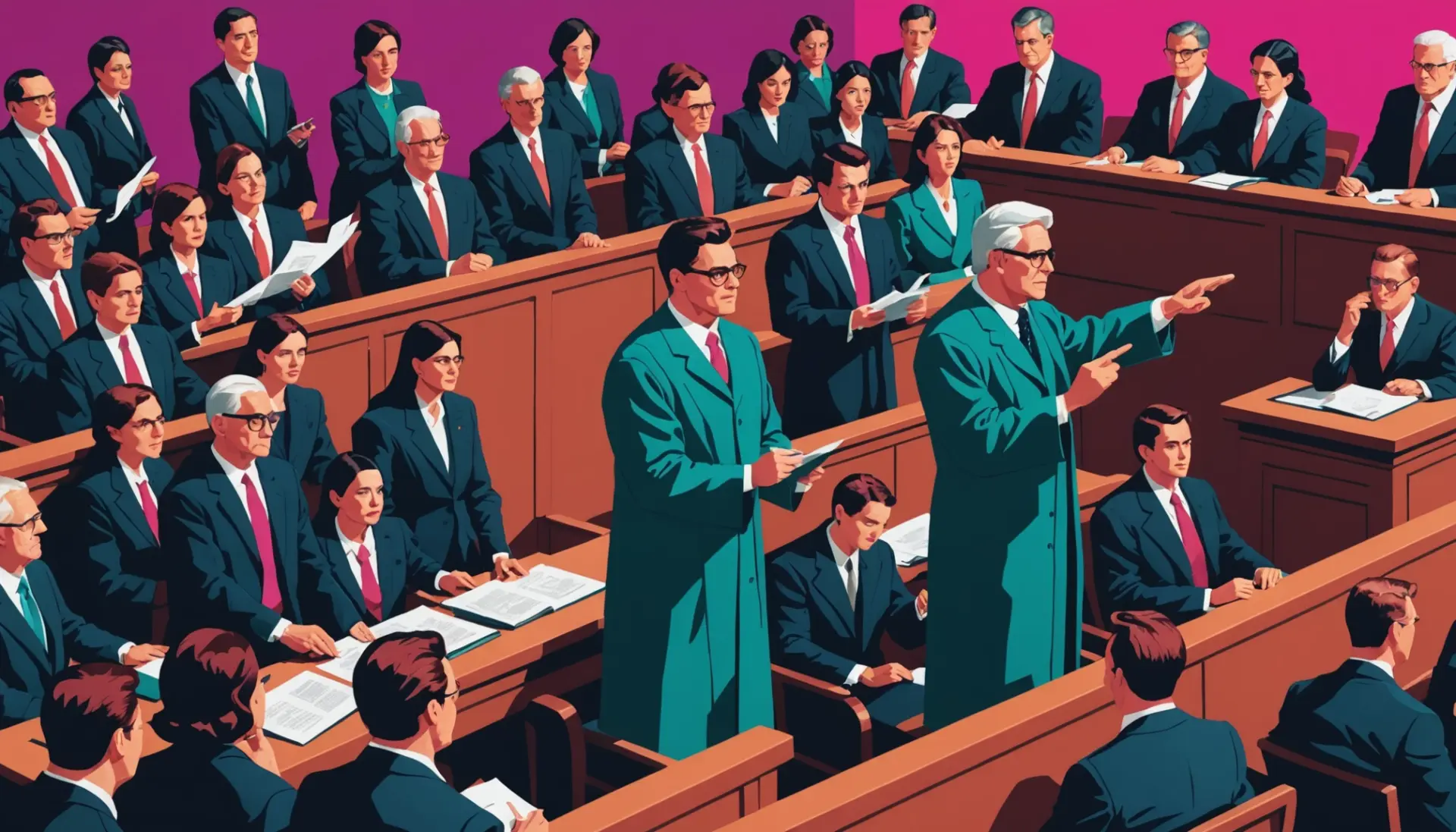
At its core, a mistrial is a trial that stops without a verdict being reached. Judges call a mistrial when something happens that makes a fair, legal decision impossible under the current proceeding.
Think of it like hitting pause on a game because the scoreboard fried, cheating happened, or a rule got completely ignored. The trial didn’t finish, so the legal system has to decide what to do next.
lindsay clancy what does mistrial mean: Legal Context
People asking lindsay clancy what does mistrial mean usually want to know whether a mistrial changes guilt or innocence. Short answer: a mistrial does not equal acquittal. It just means the court stopped the current trial.
In practice, the government can sometimes retry the case, depending on why the mistrial happened. If the mistrial came from a procedural flub or a juror issue, prosecutors often get another shot. If prosecutorial misconduct caused it, double jeopardy can sometimes block a retrial. For more formal definitions, see Wikipedia on mistrial and the Cornell Legal Information Institute.
How People Use the Phrase IRL and Online
When someone Googles lindsay clancy what does mistrial mean, they are usually reacting to a headline that used the word as a dramatic pivot. Social feeds love legal shorthand because it reads like a plot twist: mistrial, hung jury, plea deal, boom.
In DMs or tweets you’ll see lines like: “Wait, there was a mistrial in the Lindsay Clancy case? What does mistrial mean exactly?” or “If there’s a mistrial, can she walk?” Those are plain, impatient, human questions. Here’s a casual example people actually type:
“Yo, lindsay clancy what does mistrial mean? Did they dismiss it or nah?”
Notice the combo of legal curiosity and gossip energy. People want a simple take, not a law lecture.
What Happens After a Mistrial?
After a mistrial, the court has to sort out why the trial failed and decide the next steps. Options include fixing the issue and retrying, dismissing charges, or negotiating a plea. The path depends on the specific legal mess that caused the stoppage.
For example, if juror misconduct caused a mistrial, the judge may call for a new jury and start over. If the mistrial stems from something like evidence that should not have been shown, prosecutors might reassess the strength of their case. The public often reads this as “case reopened” or “case dropped,” which is not always accurate.
Quick FAQ and Real Examples
Q: Does a mistrial mean the person is innocent? A: No. A mistrial does not declare innocence. It simply means no verdict was reached in that round.
Q: Can charges be refiled? A: Often, yes. Prosecutors may retry the case unless double jeopardy or other legal restrictions prevent it. Want the legalese? Check Merriam-Webster’s definition for a straightforward dictionary take at Merriam-Webster on mistrial.
Real conversational examples you might overhear or see online:
“If they declare a mistrial, are we getting a rematch? That courtroom drama was wild.”
“lindsay clancy what does mistrial mean? I’m confused why the jury couldn’t decide.”
Those examples show the phrase used as a quick, searchable way to get a legal definition and to signal attention to the news story attached to the name.
Why the Phrase Gets Traction on Social Media
High-profile cases bring legal vocabulary into common speech. Terms like “mistrial” or “hung jury” become memeable shorthand for a botched conclusion, kind of like how “rizz” became shorthand for attraction and swagger. People remix legal terms into hot takes, reaction videos, and explainers.
If you want an internal primer on slang surviving in news cycles, check similar entries at Rizz and Delulu. These show how a single word can carry vibe and context beyond its dictionary meaning.
What to Watch For in Headlines
When you see “mistrial” used with a name, pay attention to the follow-up reporting. Headlines sometimes use it as a cliffhanger. The body text will usually explain why the mistrial happened and whether a retrial is likely.
Also keep an eye out for legal commentary that distinguishes between a mistrial caused by juror issues and one triggered by prosecutorial errors. That distinction matters for whether the case is likely to be retried.
Sources and Further Reading
For readers who want more authoritative background on the mechanics and consequences of a mistrial, here are some reliable places to read:
And if you want a cultural take on how these phrases spread through social platforms, see how slang guides treat legal-adjacent terms next to pop culture entries like Bogart.
Final Thoughts
If you searched lindsay clancy what does mistrial mean, you were asking for a short legal translation of a newsword and how it shifts a case’s trajectory. A mistrial pauses the process, it does not settle guilt or innocence by itself.
NgI, the next time you see that phrase in a headline, skim for the reason the judge declared the mistrial. That reason tells you whether the story ends there or keeps going. Also, don’t trust a single tweet as legal analysis. Read the lede, then the follow-up stories.