



Intro: Quick note on bull dagger slang
Bull dagger slang shows up in older queer and Black community vernacular, and you might hear it if you read midcentury blues, jazz lore, or vintage urban slang dictionaries. I say “might” because this phrase is loaded, often derogatory, and its usage has shifted over the decades. If you grew up hearing it on a stoop, or read it in an archival oral history, context matters. A lot.
Table of Contents
What Bull Dagger Slang Means Today
Right up front: bull dagger slang generally refers to a masculine-presenting lesbian or queer woman, often used as an insult. The term’s usage varies by region and era, but most contemporary readers encounter it as a pejorative, not a neutral descriptor. People sometimes conflate it with “butch” or “dyke.” They overlap, but they are not identical.
Honestly, if you are unsure whether to use the term, do not. It carries historical baggage and can sting. Even in queer spaces, careful language matters.
History of Bull Dagger Slang
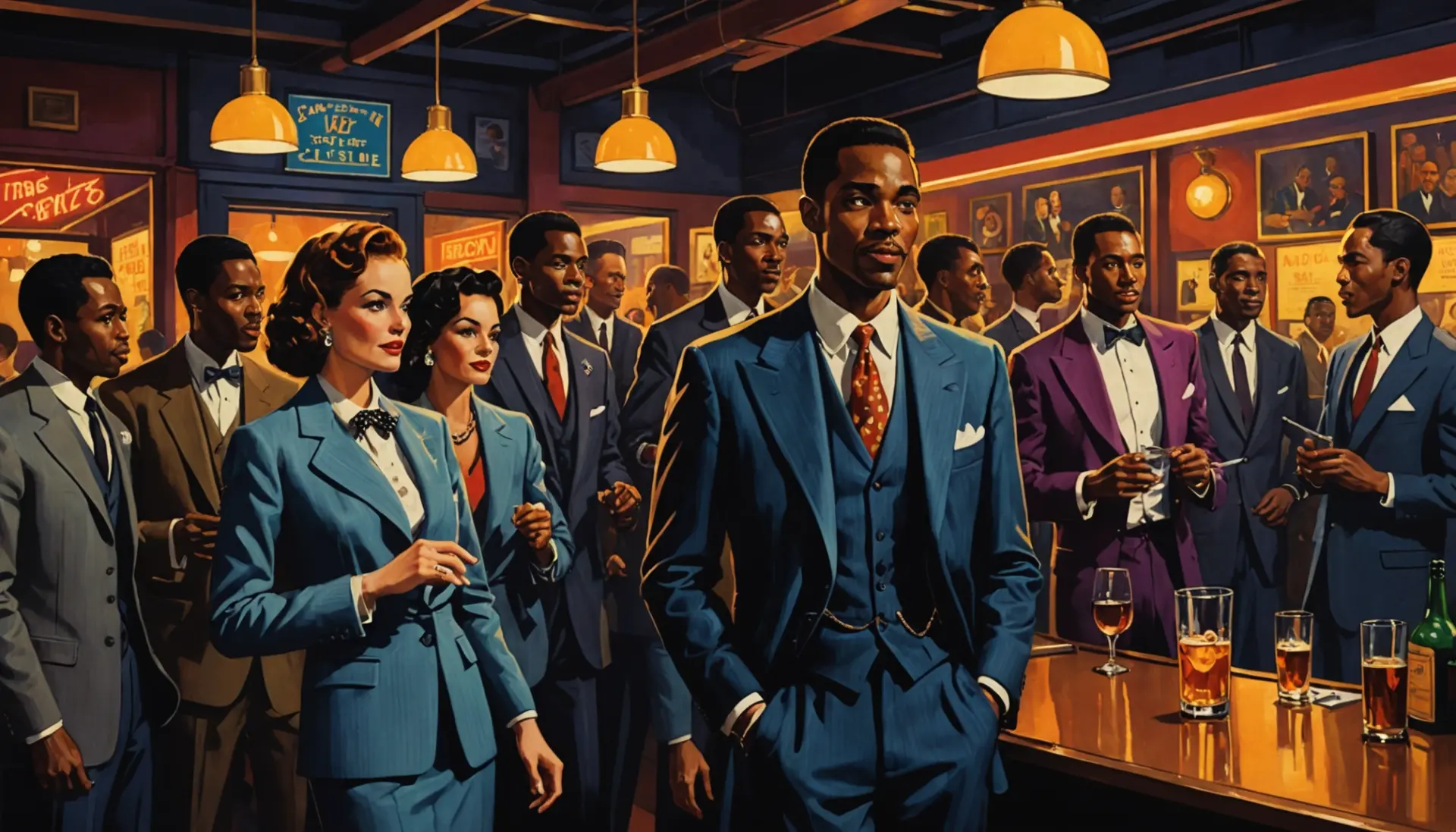
The phrase has roots in 20th century American slang, particularly within Black urban communities and early queer subcultures. Writers and oral historians point to its circulation in nightlife scenes, jazz clubs, and blues communities where gender-nonconforming people were visible but often marginalized.
Why the phrase “bull dagger”? Scholars debate the etymology. “Bull” implies a kind of masculine force, while “dagger” adds a sharp, dangerous image. Together they create a term that labels both masculinity and perceived threat, which explains why it was often wielded as an insult.
How People Use Bull Dagger Slang: Real Examples
Here are realistic, anonymized examples to show tone and context. None of these are famous quotes, but they reflect how you might hear the term in conversation or archival transcripts:
“Back then folks called Clara a bull dagger, like it was dirt on her name.”
“Don’t go around calling people bull dagger; that’s disrespectful.”
“She wore men’s suits and carried herself like a bull dagger in the neighborhood.”
See how the first two examples show the word used offensively, while the third is descriptive but still loaded. Usage often tells you whether the speaker is attacking, merely describing, or trying to reclaim.
Why Bull Dagger Slang Is Offensive
Bull dagger slang is offensive because it reduces a person to a stereotype and pairs gender nonconformity with danger or deviance. The term has been used to police femininity and to shame women who did not fit tidy gender roles.
Calling someone a bull dagger often invoked violence, whether literal or social. That history makes it a risky word for ally usage. If you care about not causing harm, skip it and use respectful identity terms instead.
Reclamation, Context, and When It Shows Up
Words like this sometimes get reclaimed. A small number of people within queer communities have used similar slurs as in-group nicknames or ironic badges of toughness. Reclamation happens on the speakers terms, not outsiders terms.
Context matters: in archival research, you will see bull dagger slang in oral histories, police records, and blues era reportage. In creative work it might appear to evoke a period voice. As a rule, writers should treat it carefully and never punch down with it.
Sources and Further Reading
If you want deeper background, start with historical and lexical sources. The Wikipedia article on Bulldyke – Wikipedia gives context for related terms and how they evolved. For the root “dyke” and its dictionary history, Merriam-Webster has an entry at Merriam-Webster: dyke.
For queer oral history and midcentury community studies, novels like Stone Butch Blues – Wikipedia and academic work on butch/femme culture are useful background reading. If you research period newspapers or jazz histories, you will also find the term crop up in ways that reveal social attitudes of the time.
Want more slang? Check related entries on SlangSphere: butch slang meaning, and dyke slang meaning. They help map the family of terms that often get tangled together.
Final Thoughts
Bull dagger slang is not casual vocabulary. It is rooted in history, prejudice, and power. If your goal is accurate, empathetic communication, choose words that honor how people identify themselves.
Language changes, and some folks reclaim words to flip power dynamics. Until then, treat this phrase like a historical artifact: examine it, understand it, and handle it with care.