



Introduction
Okay so if you typed “what does kewpie mean” into search, you are not alone. The phrase shows up when people spot those round-cheeked dolls, the mayo brand with the cute mascot, or when someone calls a person a “kewpie” online. People use the word in different ways, and that messy overlap of old toys, branding, and new slang is exactly why this term trips folks up.
Table of Contents
What Does Kewpie Mean: Origins
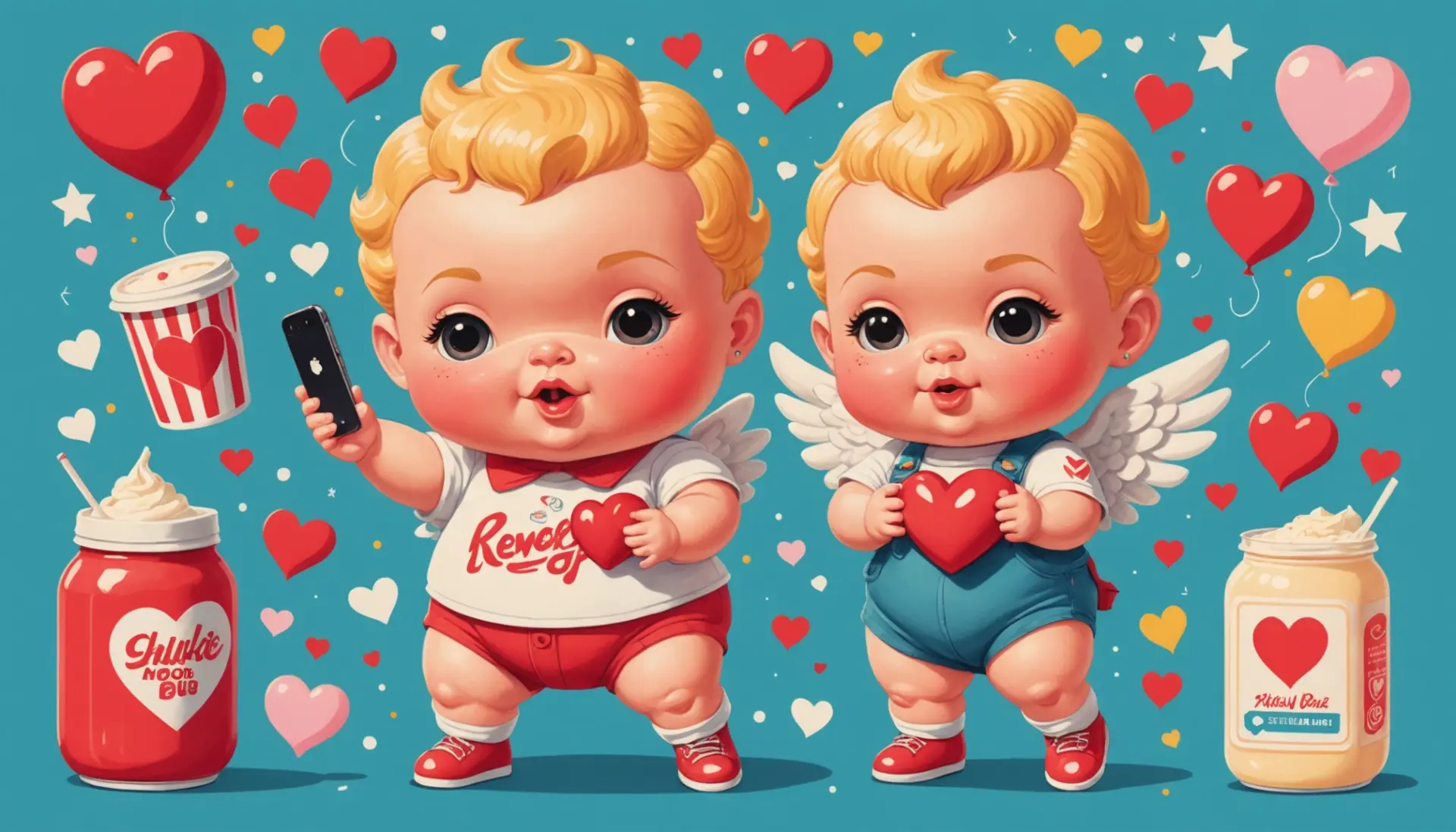
The first time “kewpie” appeared was as a trademarked character created by illustrator Rose O’Neill in 1909. She introduced these rotund, winged cherubs in cartoons and illustrations, and they quickly morphed into mass-produced Kewpie dolls that became wildly popular through the 20th century.
Those dolls influenced a few offshoots: advertising mascots, collectible toy culture, and a very specific aesthetic of chubby, innocent-faced cuteness. If you want a quick historical reference, check the Wikipedia entry: Kewpie.
What Does Kewpie Mean: Literal Uses
Literally, “Kewpie” can mean the doll, the character, or the mascot. There is also the Kewpie brand, famous in Japan for its mayonnaise and cute baby logo. The company page gives a clear view of how the character was turned into a long-lived commercial icon: Kewpie (company).
So when someone says “kewpie” in a non-slang context, they often mean one of three things: the physical doll, the illustrated cherub, or the Kewpie mascot from packaging. Pretty straightforward. But language rarely stays neat.
What Does Kewpie Mean: Modern Slang Use
In slang, “kewpie” has juggled a few meanings. Most commonly it refers to someone acting overly cutesy, innocent, or babyish in an attention-seeking way. Think of a coworker who keeps texting baby-voiced snaps to get compliments, or a TikTok trend where people intentionally act saccharine for likes.
Sometimes “kewpie” is affectionate. Friends might call each other “kewpie” in a teasing, sweet way. Other times it is shaded with sarcasm, like when someone calls a manipulative person “such a kewpie” because their cuteness is performative. Context decides if it reads as praise or eye-roll fuel.
Real Examples and How to Use It
Here are actual lines you might see or hear. These are realistic, not curated for clicks.
-
“She keeps sending those little pout pics, total kewpie energy.”
-
“Stop being a kewpie and just tell him you like him.”
-
“Kewpie vibes with that vintage doll collection, ngl.”
Notice the tones. The first is mildly mocking, the second is direct and scolding, the third is admiring. You can use “kewpie” as a noun or adjective. “He’s being kewpie” or “that’s kewpie behavior.” Casual, flexible, and dependent on who you are with.
Want an example from social media? Imagine a caption under a selfie: “feeling kewpie today” and you will get a mix of heart emojis and knowing replies. That caption signals an intentionally cute pose or filter rather than a literal doll reference.
Nuances, Regional Use, and Who Says It
Where does this slang spread most? A lot of it comes from younger social media users: TikTok, Instagram, Twitter threads. Asian pop culture and kawaii aesthetics also play a role, especially with the Kewpie brand being prominent in Japan. Folks who follow vintage collectibles will use the word with a literal bent, while trend-followers use the slang version.
Also, the term can be gendered in how people apply it. Women and femme-presenting folks often get called “kewpie” as a comment on their look. That carries baggage about policing femininity, so be cautious using it about someone you don’t know well.
Final Takeaway
So to answer “what does kewpie mean” in plain terms: it started as a cute doll and mascot, and now it’s a slang shorthand for being deliberately cutesy, sometimes sweet, sometimes manipulative. Use it playfully, or avoid it if you might be read as mocking someone’s identity.
If you want to trace the doll’s cultural path, museums and collectors keep good records. For a pop-culture meme angle, try browsing meme archives or vintage toy write-ups. And if you liked this little breakdown, you might also enjoy other slang reads on rizz or the emotional shorthand explained at delulu. Curious about classic borrowings like “bogart”? See bogart slang meaning.
Final tip: if someone calls you “kewpie” and you want to respond, try a light, humorous comeback. “Thanks, I’m in my vintage doll era” is safe. Or, if it feels shady, call it out. Language is playful, but boundaries matter.
For more historical context, the Wikipedia page for the original character is a solid start, and the Kewpie company history shows how a character becomes a lasting brand: Kewpie and Kewpie (company). Want the meme perspective? Try searching user archives where the doll reappears in viral posts.