



Intro
Panocha slang is a small, loaded phrase that shifts meaning depending on geography, age, and who you ask, and honestly it can land you in an awkward moment if you don’t know the context.
Look, I know the word sounds cute. It literally refers to a sweet or a food in some places. But say it in the wrong neighborhood and it gets raunchy real quick.
Table of Contents
Panocha Slang Meaning and Origins
The blunt short version: panocha slang often means a vulgar word for female genitals in Mexican Spanish and some Southwestern US Spanish dialects, and it can also mean a sweet made with piloncillo or unrefined sugar in other Spanish-speaking places.
So the same word flips between edible and explicit. That flip matters. RAE documents the culinary sense, while slang dictionaries and regional speech note the vulgar meaning, which is why I tell people to be careful.
For the culinary angle, see the Royal Spanish Academy entry RAE: panocha. For quick lexical notes, Wiktionary also lists senses from food to vulgar slang Wiktionary: panocha.
Panocha Slang Regional Uses
Where you are changes everything. In parts of Mexico and in New Mexico, panocha slang is used as crude slang for the vulva, or as an insult implying someone is weak or cowardly, kind of like calling someone a “pussy” in English.
On the other hand, in the Philippines and some Spanish-speaking regions, panocha is a traditional sugar candy or a sweet dish, and it’s totally innocuous. So someone offering you panocha in Manila is offering dessert, not an insult.
A Brief History You Can Actually Use
Words travel and pick up baggage. Panocha originally described an ear of corn or a kind of lump of sugar in older Spanish usages. Over generations, it gained culinary associations and then separate vulgar slang meanings in everyday speech.
Language contact in border regions, like the US Southwest, made panocha slang more visible in English-speaking spaces, especially among Chicano communities where Spanish and English mix in colorful ways.
Real Examples of Panocha Slang in Conversation
Examples help. Here are how you might hear panocha slang used, both the safe food sense and the risky vulgar sense. These are realistic lines, not celebrity quotes, so you can test the tone yourself.
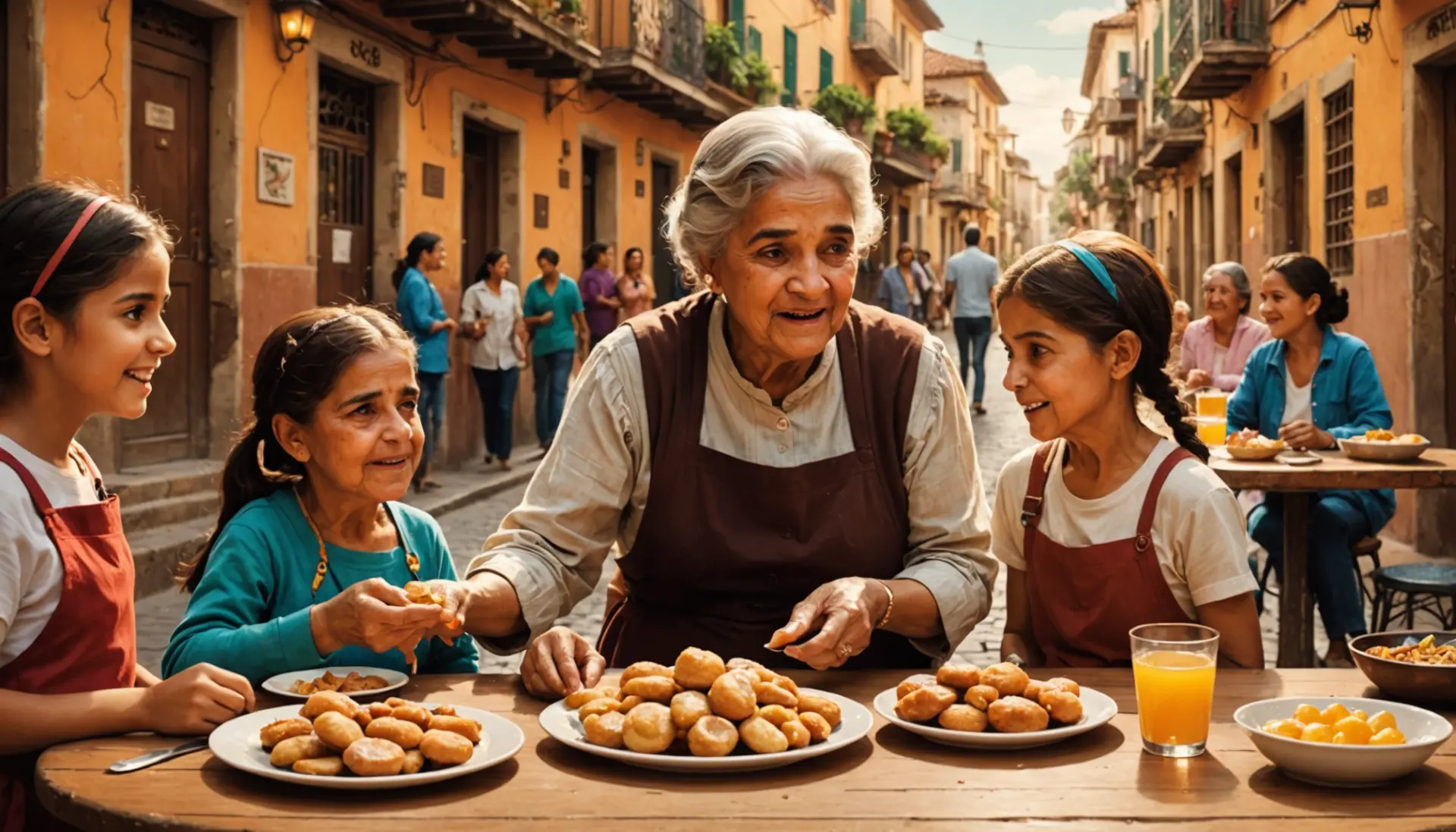
Food sense: “Bring some panocha to the potluck, my abuela makes the best panocha.”
Vulgar sense: “Dude, don’t be a panocha, stand up for yourself.”
Insult sense: “He’s such a panocha, he bailed on the job.”
See how the same word looks harmless in the first example and aggressive in the others? Context, tone, and who you are speaking to determine whether it’s playfully teasing or straight-up offensive.
Etiquette and When Not to Use Panocha Slang
If you’re not from a community that uses the vulgar sense, avoid using panocha slang casually. It’s the kind of word that sounds like a cute dessert but hits like a curse. Not a good look in professional, mixed, or older-company settings.
Also be mindful on social media. A caption that’s trying to be cheeky can read as offensive to some. If you post about historical cuisine or recipes, explicitly clarify you mean the sweet, to avoid confusion.
Related Words and Links
Curious for further reading? Here are some places to learn more about the root meanings and how Spanish regionalisms shift. The RAE article above is useful for etymology, and Wiktionary gives a snapshot of senses across dialects.
Want to compare how English slang borrows from Spanish? Check out related slang entries like rizz slang or the millennial favorite delulu slang. For broader cultural context, do a quick read on how words for body parts become insults across languages on Wikipedia’s human anatomy language notes.
External sources I used while researching include the RAE entry and Wiktionary. Both help explain why panocha slang means different things in different places RAE, Wiktionary.
Final Notes and Quick Cheat Sheet
Quick cheat sheet: if you hear “panocha” in a recipe or at a family table, it is likely food. If you hear “panocha” in slang, especially yelled or used to shame someone, treat it as vulgar and potentially sexist.
Want to sound culturally fluent? Ask, clarify, or use the safe culinary term only when you are sure. Language is fun. Language is messy. And panocha slang proves both.
Sources and Reading
Read the RAE for the standard lexicon, and Wiktionary for more colloquial senses. For larger context on how insults migrate across languages see general entries on language contact and regional Spanish.
Author
I’m a culture writer who grew up in border-adjacent neighborhoods and spent too much time eavesdropping at family tables. If you liked this, check more slang breakdowns on SlangSphere.